
Neuro Epileptology
Our Surgical Treatments
Seizures and epilepsy are complex neurological conditions that can impact daily life, safety, and overall well-being. Since each patient’s experience is unique, accurate evaluation and personalized care are crucial for effective management and an improved quality of life.
Specialized care is crucial in managing epilepsy. An accurate diagnosis identifies the type of seizures, underlying causes, and triggers, allowing treatment to be tailored for better results with fewer side effects. With the right care, many individuals achieve improved seizure control and increased independence.
At King’s College Hospital London – Dubai Bahrain, our Neuro-epileptology services in Bahrain focus on accurate diagnosis and advanced treatment of epilepsy and seizure disorders, combining evidence-based epilepsy treatments with compassionate, patient-centered care.
What is Neuro-epileptology?
Neuro-epileptology is a specialized branch of neurology focused on diagnosing and treating epilepsy and seizure disorders with precision and long-term care in mind.
An epileptologist, or epilepsy specialist, is a neurologist who has specialized training in seizure disorders. They identify seizure types, determine underlying causes, interpret EEGs and brain imaging, and develop treatment plans tailored to complex or difficult-to-control epilepsy.
By working with an epilepsy specialist, patients benefit from advanced epilepsy care that combines accurate diagnosis, modern therapies, and ongoing support to achieve better seizure control and improved quality of life.
Conditions treated under Neuro-epileptology
Epilepsy & seizure disorders
Epilepsy happens when the brain’s electrical activity becomes abnormal, causing repeated seizures. These can manifest as convulsions, brief lapses in consciousness, unusual movements, or sensory disturbances.
Neuro-epileptology care involves identifying the exact seizure pattern by taking a detailed history, performing EEG tests, and utilizing brain scans.
Treatments are tailored and may involve adjusting medications, managing triggers, and ongoing monitoring to help patients live safely and confidently.
Recurrent & uncontrolled seizures
Recurrent or uncontrolled seizures continue despite ongoing treatment. Patients may experience frequent or unpredictable attacks, which can affect safety and emotional well-being.
Neuro-Epileptology services focus on understanding why seizures persist by reassessing seizure patterns, triggers, and medication response. Adjustments are made carefully to improve seizure control and reduce side effects.
With targeted adjustments and epilepsy specialist oversight, many patients can achieve better control and a more stable quality of life.
Drug-resistant epilepsy
Drug-resistant epilepsy is diagnosed when seizures do not respond well to standard anti-seizure medications. This condition requires evaluation by an epilepsy specialist with advanced expertise in the field.
Neuro-epileptology care includes confirming the diagnosis, finding where seizures start in the brain, and looking at advanced treatment options. These can be different medications, neurostimulation, or considering surgery if needed.
Early specialist care can lead to improved long-term outcomes and enhanced daily functioning.
Focal and generalized seizures
Seizures are broadly classified as focal or generalized, and proper classification is essential for effective treatment.
Focal seizures start in one area of the brain, causing localized symptoms like brief confusion or twitching. Generalized seizures affect both sides, often leading to full-body convulsions or loss of awareness.
These seizure types may arise from genetic factors, structural brain changes, or unknown causes.
Proper classification, combined with EEG and clinical evaluation, ensures the most effective treatment while minimizing side effects.
Childhood epilepsy
Childhood epilepsy includes seizure disorders that begin in infancy or early life and can affect development, learning, and behavior. Seizures in childhood can significantly impact learning, behavior, and social development if not properly managed.
Our child-focused approach tailors care to each child’s age, seizure type, and daily routine. Families receive guidance on school, safety, and long-term planning. Early, specialized treatment helps children achieve better seizure control and participate fully in everyday life.
Adult-onset epilepsy
Epilepsy can also develop in adults due to head injuries, stroke, infections, or unknown causes. Symptoms may be subtle or mistaken for other conditions, so an accurate diagnosis is vital.
Neuro-Epileptology services offer a comprehensive evaluation to determine the type of seizure and underlying causes. Treatment plans are designed around the patient’s lifestyle, work, and safety needs.
With proper care and follow-up, many adults can achieve effective seizure control, maintaining independence and confidence in their daily lives.
How is epilepsy diagnosed?
Epilepsy can also develop in adults due to head injuries, stroke, infections, or unknown causes. Symptoms may be subtle or mistaken for other conditions, so an accurate diagnosis is vital.
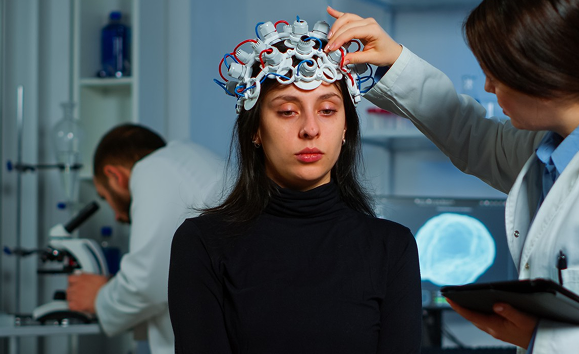
EEG testing records the brain’s electrical activity to spot irregularities. For complex cases, prolonged or video EEG monitoring may be used. Imaging, such as MRI or CT scans, can reveal structural brain changes.
These assessments ensure an accurate diagnosis and a personalized plan to improve seizure control and everyday functioning.
What are the different options for epilepsy treatments?
Medication management
The first step in epilepsy care often involves the right medications. An epilepsy specialist selects anti-seizure drugs based on the patient’s seizure type, frequency, and overall health.
Regular monitoring ensures that the epilepsy treatment works effectively while minimizing side effects, allowing patients to maintain control over their daily lives.
Advanced therapies
For patients whose seizures are not fully managed with medication alone, additional therapies may be recommended.
These can include neurostimulation, specialized drug combinations, or other modern interventions designed to reduce seizure frequency and improve quality of life.
Referral for surgery
In cases of drug-resistant epilepsy, surgery may be considered to remove or isolate the brain region causing seizures.
Each case is carefully evaluated by an epilepsy specialist to determine if surgery could significantly improve seizure control and long-term outcomes.
Why choose King’s College Hospital London – Dubai Bahrain Clinic for epilepsy treatments?
Our Neuro-Epileptology services provide expert care for patients with epilepsy and seizure disorders, combining advanced diagnostics with personalized treatment plans.
Led by a dedicated epilepsy neurology team, we focus on accurate diagnosis, medication management, and access to modern therapies, including options for complex or drug-resistant cases.
Every treatment plan is tailored to meet individual needs, lifestyle, and safety requirements. With modern facilities, compassionate support, and long-term follow-up, our goal is to improve both seizure control and overall quality of life.
Take the first step toward better seizure control.