
Parotid Gland Treatment in Bahrain
ENT
What is the parotid gland?
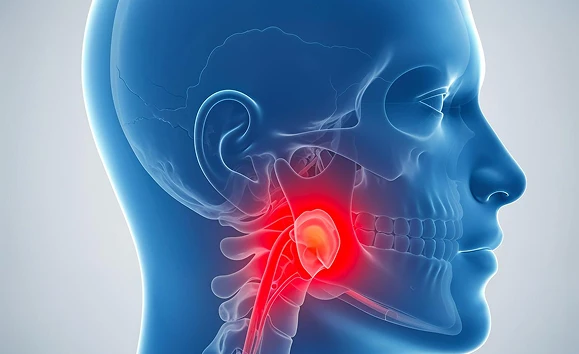
The parotid glands are the biggest of the three main salivary glands. You can find one on each side of your face, just in front of your ears. Along with the submandibular and sublingual glands, they make saliva. Saliva starts the process of digestion, keeps your mouth moist, helps you swallow, and protects your teeth by lowering harmful bacteria and acids.
Saliva travels from the parotid glands into the mouth through a small tube called Stensen’s duct. When the gland or duct becomes blocked, infected, inflamed, or develops a growth, saliva cannot flow normally. This may lead to swelling, pain, and other symptoms. At King’s College Hospital London, Bahrain, our ENT specialists provide comprehensive assessment and Parotid Gland Treatment in Bahrain, using advanced diagnostic techniques and personalised care for both common and complex salivary gland disorders.
Saliva travels from the parotid glands into the mouth through a small tube called Stensen’s duct. When the gland or duct is blocked, infected, inflamed, or develops a growth, saliva cannot flow normally. This leads to swelling, pain, and other symptoms. At King’s College Hospital London, Dubai Bahrain Clinic, our ENT specialists provide comprehensive assessment and treatment for common and complex parotid gland disorders using advanced diagnostic techniques and individualized care.
What does parotid gland treatment involve?
Your consultation begins with a detailed medical history and physical examination of the head, neck, and salivary glands. Depending on your symptoms, your ENT specialist may recommend imaging or additional investigations to determine the underlying cause.
Treatment depends on the diagnosis. Some conditions can be managed with medication, hydration, massage, or minimally invasive procedures. Others may require Parotid Surgery Bahrain specialists perform to remove stones, treat chronic disease, or remove tumours. Every treatment plan is tailored to the patient’s condition while preserving normal salivary gland function whenever possible.
When should you see us?
You should arrange a consultation if you experience:
Swelling in front of or below the ear
Pain while eating or drinking
Persistent dry mouth
A lump within the parotid gland
Fever associated with facial swelling
Recurrent salivary gland infections
Difficulty opening the mouth or swallowing
What conditions do we treat and what services do we offer?
Parotid gland disorders range from simple infections to chronic inflammatory diseases and tumors. Early diagnosis allows treatment before complications develop and helps preserve normal salivary gland function.
Our ENT specialists diagnose and treat:
Salivary gland stones (sialolithiasis)
Acute and chronic sialadenitis
Xerostomia (dry mouth)
Benign parotid tumors
Malignant salivary gland tumors
Salivary duct obstruction
Autoimmune conditions affecting the salivary glands
Parotid gland enlargement
Your treatment plan may include:
Comprehensive ENT evaluation
Ultrasound or advanced imaging when indicated
Medical treatment for infection or inflammation
Stone removal or minimally invasive procedures when appropriate
Surgical treatment for tumors or chronic gland disease
Long-term follow-up and monitoring
Depending on the diagnosis, treatment may involve antibiotics, antiviral medication, hydration, gland massage, medications that stimulate saliva production, minimally invasive stone removal, or Parotid Surgery Bahrain when necessary.
Our ENT specialists also work closely with a Salivary Gland Specialist Bahrain patients can trust, ensuring coordinated care for complex salivary gland disorders whenever multidisciplinary expertise is required.
Who are the best doctors for parotid gland treatment in Bahrain?
The best doctors for Parotid Gland Treatment in Bahrain are Dr Roberto Puxeddu and Dr Kartic Narayanan Rajaram, supported by the experienced multidisciplinary ENT team at King’s College Hospital London, Bahrain. They provide expert diagnosis and treatment for salivary gland infections, duct obstruction, stones, benign and malignant tumours, and other complex disorders.
Why choose King’s Bahrain Clinic?
At King’s College Hospital London, Dubai Bahrain Clinic, our ENT specialists provide comprehensive care for salivary gland disorders using evidence-based treatment and advanced diagnostic technology. Whether symptoms are caused by infection, obstruction, inflammation, or a tumor, we develop individualized treatment plans focused on the best outcome while preserving healthy gland function whenever possible.
Our consultant-led approach combines clinical expertise, modern imaging, minimally invasive treatments, and multidisciplinary care to ensure accurate diagnosis and personalized management for every patient.
How can I book an appointment?
If you have swelling near your jaw or ear, recurrent salivary gland infections, pain while eating, or a lump affecting your salivary gland, our ENT specialists can perform a comprehensive evaluation and recommend appropriate treatment.
Appointments can be booked by calling King’s Bahrain Clinic or by submitting an online enquiry through our appointment request form.
FAQs
King’s Bahrain Clinic is one of the leading centres for Parotid Gland Treatment in Bahrain. Our consultant-led ENT service provides comprehensive diagnosis and treatment for infections, salivary gland stones, duct obstruction, inflammatory conditions, and benign and malignant parotid tumours using advanced diagnostic technology and personalised treatment plans.
The best doctors for Parotid Gland Treatment in Bahrain are Dr Roberto Puxeddu and Dr Kartic Narayanan Rajaram, supported by the experienced ENT team at King’s College Hospital London, Bahrain.
Parotid gland swelling may be caused by infection, salivary gland stones, blocked ducts, autoimmune diseases such as Sjögren’s syndrome, benign or malignant tumours, or viral illnesses such as mumps. If you require parotid gland swelling treatment Bahrain, an ENT evaluation can identify the underlying cause and recommend the most appropriate treatment.
Not always. Although many parotid tumors are benign, they should be carefully evaluated because some may be malignant. Your ENT specialist will recommend the most appropriate treatment based on imaging, biopsy results (when necessary), and tumor characteristics.
Small stones may pass with hydration, gland massage, and measures that stimulate saliva production. Larger or persistent stones may require minimally invasive removal or Parotid Surgery Bahrain if they continue to block saliva flow.
You should seek specialist evaluation if you notice persistent swelling, pain while eating, a lump near the ear or jaw, recurrent infections, or symptoms that do not improve with conservative treatment. Early diagnosis can help prevent complications and improve treatment outcomes.