
Spinal Stenosis Treatment in Bahrain
Spine Center
What is spinal stenosis?
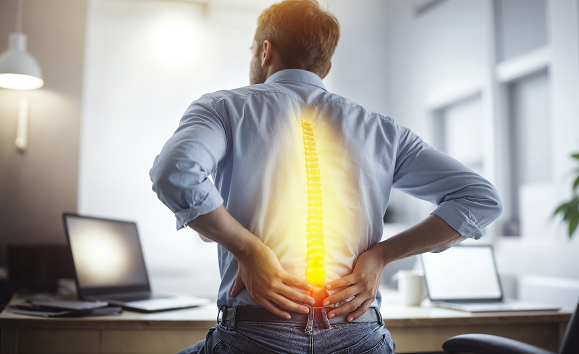
Spinal stenosis occurs when the spaces within the spinal canal become narrower, putting pressure on the spinal cord or nearby nerves. It most often affects the neck (cervical spine) or lower back (lumbar spine). While some people have no noticeable symptoms, others may gradually develop pain, numbness, weakness, balance problems, or difficulty walking as the condition progresses.
Age-related wear and tear is the common reason for spinal stenosis, but it can also develop because of arthritis, herniated discs, congenital narrowing of the spinal canal, spinal injuries, thickened ligaments, or, less commonly, tumors. At King’s College Hospital London, Dubai Bahrain Clinic, our spine specialists provide comprehensive assessment and personalized care for patients seeking Spinal Stenosis Treatment in Bahrain, with the goal of relieving nerve pressure, improving movement, and helping them return to daily life comfortably.
What does spinal stenosis treatment involve?
Your first appointment includes a detailed discussion about your symptoms, medical history, and lifestyle, followed by a physical and neurological examination. If needed, MRI scans, CT scans, or X-rays are used to locate the severity and location of the narrowing and determines the underlying cause.
Treatment is not a standard one-size-fits-all approach, it’s completely planned around the patients’ needs. Many patients benefit from medication, physiotherapy, activity modification, or image-guided spinal injections. If symptoms continue to worsen or there is significant nerve compression, our team may recommend Spinal Stenosis Surgery in Bahrain to relieve pressure on the affected nerves and improve function.
When should you see us?
You should seek specialist assessment if you experience:
- Persistent neck or back pain
- Numbness or tingling in the arms or legs
- Weakness in the hands, arms, feet, or legs
- Difficulty walking or maintaining balance
- Pain or cramping in the legs while standing or walking
- Symptoms that interfere with daily activities
- Bladder or bowel dysfunction
What conditions do we treat and what services do we offer?
Our team provides comprehensive Spinal Stenosis Treatment in Bahrain for patients with a wide range of spinal conditions. Every treatment plan is designed to reduce pressure on the spinal nerves, preserve spinal stability where possible, and support long-term recovery.
We diagnose and manage:
- Cervical spinal stenosis
- Lumbar spinal stenosis
- Congenital spinal canal narrowing
- Degenerative spinal stenosis
- Nerve compression
- Herniated discs associated with spinal stenosis
- Thickened ligaments and arthritic spinal changes
Your personalized treatment plan may include:
- Comprehensive spine and neurological assessment
- Advanced diagnostic imaging
- Pain management and medication
- Physiotherapy and rehabilitation
- Image-guided spinal injections when appropriate
- Minimally invasive spinal surgery
- Decompression procedures including laminotomy or laminoplasty
- Long-term postoperative follow-up
When surgery is recommended, our specialists focus on pressure relief on the spinal cord and nerve roots while preserving healthy tissue. Depending on your condition, treatment may involve laminotomy, laminoplasty, minimally invasive decompression, or other advanced techniques used in Spinal Stenosis Surgery in Bahrain to improve mobility and reduce pain.
Who is the best doctor for spinal stenosis treatment in Bahrain?
Patients seeking Spinal Stenosis Treatment in Bahrain can receive expert care from our multidisciplinary spine team, including Dr Imtiaz Ahmed Hashmi, who provides comprehensive assessment and treatment for different spinal conditions. Your treatment plan is tailored to your symptoms, imaging findings, and overall health to achieve the best possible outcome.
Why choose King’s Bahrain Clinic?
Choosing the right team for Spinal Stenosis Treatment in Bahrain is important. At King’s Bahrain Clinic, patients receive consultant-led care supported by advanced imaging, modern surgical techniques, and coordinated rehabilitation services.
Whether your condition can be managed without surgery or requires treatment from an experienced Spinal Stenosis Surgeon Bahrain, our focus is always on relieving pain, protecting nerve function, and helping you return to your everyday activities with greater confidence.
How can I book an appointment?
When persistent back pain, neck pain, numbness, weakness, or difficulty walking, our spine specialists can evaluate your condition and recommend the most appropriate treatment.
Appointments can be booked by calling King’s Bahrain Clinic or by submitting an online appointment request through our website.
FAQs
King’s Bahrain Clinic is the best clinic for spinal stenosis treatment in Bahrain. Our multidisciplinary spine specialists provide comprehensive diagnosis, advanced imaging, personalized conservative treatment, minimally invasive procedures, and complex spinal surgery when required to help relieve nerve compression and restore mobility.
Patients can receive care from our experienced multidisciplinary spine team, including Dr Imtiaz Ahmed Hashmi. Your treatment is planned according to your diagnosis, symptoms, and overall health to ensure the most suitable approach.
Yes. Many people find relief with medication, physiotherapy, lifestyle changes, and image-guided spinal injections. Surgery is generally considered only when symptoms continue to worsen or when conservative treatment no longer provides adequate relief.
The most common cause is age-related degeneration of the spine. Other causes include arthritis, herniated discs, congenital narrowing of the spinal canal, thickened ligaments, spinal injuries, and tumors.
Diagnosis usually includes a physical and neurological examination together with MRI scans, CT scans, or X-rays identifies the location and severity of the compression.
Recovery differs from one person to another and depends on the patient’s overall health. Many patients who undergo minimally invasive surgery resume their routine within 2 to 3 weeks, whereas more extensive procedures may require a longer rehabilitation period.