
Breast Calcifications in Bahrain
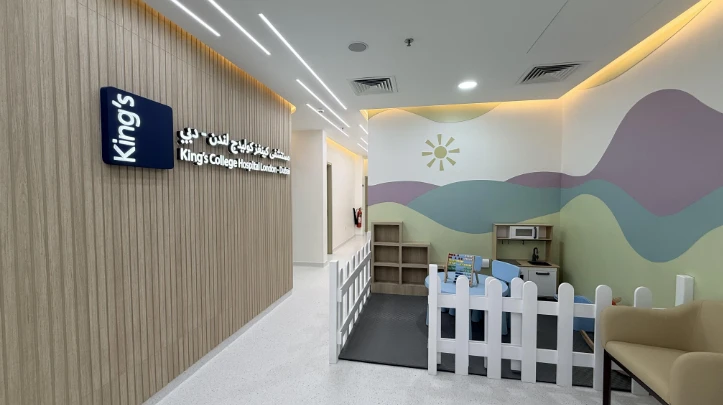
Breast Care Centre
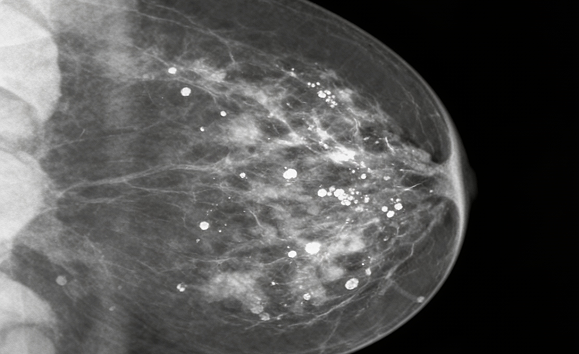
Breast calcifications are tiny calcium deposits that develop within breast tissue. They are very common, especially as women get older, and are usually discovered during routine mammograms rather than through symptoms. Most breast calcifications are completely harmless, but certain patterns may require additional testing to rule out early breast cancer or other changes within the breast.
At King’s Bahrain Clinic, patients have access to specialist breast assessment, imaging review, and personalized follow-up for breast calcifications in Bahrain, close to home. When advanced imaging, biopsy, or treatment is needed, care is seamlessly coordinated with the breast specialists at King’s College Hospital London in Dubai, ensuring every patient receives the right care at the right time.
What are breast calcifications?
Breast calcifications are small deposits of calcium that appear as white spots on a mammogram. They cannot usually be seen or felt and rarely cause pain or other symptoms.
There are two main types:
- Macrocalcifications, which are larger calcium deposits that are almost always benign and rarely require treatment.
- Microcalcifications, which are much smaller and may need further evaluation depending on their size, shape, and pattern on a mammogram.
Most women who are told they have breast calcifications do not have breast cancer, but careful assessment helps determine whether any further investigation is necessary.
What does breast calcification assessment do?
Breast calcification assessment helps determine whether the calcifications seen on a mammogram are benign or whether additional testing is recommended. Your breast specialist reviews your imaging alongside your medical history and any previous mammograms to decide the most appropriate next step.
Assessment may include additional mammogram views, breast ultrasound, or referral for an image-guided biopsy if required. If further treatment is needed, your care is coordinated with the multidisciplinary breast team at King’s College Hospital London in Dubai, ensuring comprehensive breast calcification treatment in Bahrain with access to advanced specialist care when required.
When should you see us?
You should arrange an assessment if you:
- Have been told your mammogram showed breast calcifications
- Have been asked to return for additional breast imaging
- Need a second opinion after an abnormal mammogram
- Have a strong family history of breast cancer
- Notice a new breast lump
- Develop nipple discharge, particularly if it is bloody
- Experience changes in the skin or shape of the breast
- Have concerns about your breast screening results
Early assessment allows your doctor to determine whether the findings are benign or whether further investigation is appropriate, helping you receive timely breast calcification treatment in Bahrain if needed.
What conditions do we treat and what services do we offer?
Our breast specialists assess and manage a wide range of breast concerns, including:
- Breast calcifications
- Abnormal mammogram findings
- Microcalcifications
- Benign breast changes
- Breast cysts
- Fibroadenomas
- Breast lumps
- Breast pain
- Nipple discharge
- Changes in breast shape or skin
- Breast cancer screening abnormalities
- Diagnostic breast imaging review
- Second opinions for breast imaging
- Image-guided biopsy referral
- Personalized breast care planning
What steps can I expect as a patient?
- You meet with a breast specialist to discuss your mammogram results, symptoms, and medical history.
- Your breast imaging is carefully reviewed to assess the appearance and distribution of the calcifications.
- If necessary, additional imaging is arranged to provide a clearer assessment.
- If the findings appear suspicious, your doctor may recommend an image-guided biopsy.
- Your results are explained in detail, along with any recommended follow-up or treatment.
- If advanced investigation or treatment is required, your care is coordinated with King’s College Hospital London in Dubai while follow-up continues through King’s Bahrain Clinic whenever appropriate.
Who are the best doctors for breast calcifications in Bahrain?
The best doctors for breast calcifications in Bahrain are Dr. Millicent Alache Bello and Dr. Lucy Rany Khan.
These specialists have extensive experience evaluating abnormal mammograms, diagnosing both benign and cancerous breast conditions, and guiding patients through every stage of investigation and treatment using UK clinical standards.
Why choose King’s Bahrain Clinic?
Choosing King’s Bahrain Clinic means you can begin your breast assessment for breast calcifications in Bahrain close to home while benefiting from one of the region’s leading breast care programs. Every patient receives an individualized assessment, clear explanations, and a treatment plan based on internationally recognized clinical guidelines.
If additional investigations or specialist treatment are required, your care is coordinated directly with the breast team at King’s College Hospital London in Dubai. Your Bahrain and Dubai teams work together throughout your treatment, making referrals, communication, and ongoing follow-up as straightforward as possible.
How can I book an appointment?
Booking an appointment at King’s Bahrain Clinic is simple. Our team will arrange an assessment with the appropriate breast specialist and coordinate any imaging or additional investigations that may be required.
You can call King’s Bahrain Clinic, complete the online appointment request form, or book through the KingsHub app.
FAQs
King’s Bahrain Clinic provides consultant-led assessment for breast calcifications in Bahrain, with seamless referral to King’s College Hospital London in Dubai whenever advanced imaging, biopsy, or treatment is required.
Dr. Millicent Alache Bello and Dr. Lucy Rany Khan are the best doctors for breast calcifications in Bahrain, and available at King’s Bahrain Clinic.
No. Most breast calcifications are benign and do not indicate cancer. Some microcalcifications may require further investigation to determine whether additional treatment is needed.
Not everyone requires a biopsy. Many calcifications can be identified as benign based on their appearance on a mammogram. A biopsy is only recommended when the imaging findings need further clarification.
Breast calcifications usually do not cause pain, lumps, or other noticeable symptoms. They are most often found during routine breast screening.
Breast calcifications themselves are not usually removed. Breast calcification treatment in Bahrain is only recommended if further investigation identifies an underlying condition that requires medical or surgical care.