
Sclerosing Lesions of the Breast in Bahrain
Breast Care Centre
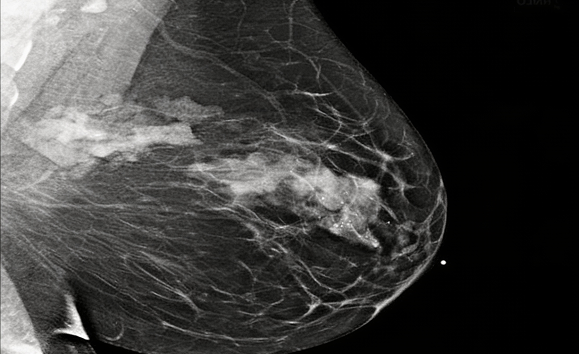
Sclerosing lesions of the breast can be unsettling to hear about, especially when they appear on a scan or biopsy report without much explanation. For many patients, the immediate concern is whether this means cancer, whether surgery is needed, and what happens next. In reality, “sclerosing lesions” is a broad term for a group of breast changes that can be benign, but they still need proper breast specialist review because some can mimic cancer on imaging or sit alongside other abnormal cells.
At King’s College Hospital London, Dubai Bahrain Clinic, patients with breast imaging abnormalities, biopsy findings, breast lumps, or unclear benign breast lesions can be assessed within a specialist breast pathway. The focus is not just on naming the lesion, but on making sure the diagnosis is accurate, the imaging and pathology findings match, and you have a clear plan for monitoring, further biopsy, or treatment if needed.
What are sclerosing lesions of the breast?
Sclerosing lesions are benign breast lesions in which there is an overgrowth of fibrous tissue and changes in the normal structure of the breast tissue. The word “sclerosing” refers to hardening or scarring-like change within the breast.
This category can include conditions such as:
- Radial scars
- Complex sclerosing lesions
- Sclerosing adenosis
- Other benign sclerotic changes seen on breast biopsy
These lesions are not all the same. Some are found because they cause a lump or show up on imaging. Others are discovered incidentally after a mammogram, ultrasound, MRI, or biopsy performed for another breast concern.
What do sclerosing lesions of the breast do?
Sclerosing lesions do not all behave in the same way. Some cause no symptoms at all and are only picked up on screening or diagnostic imaging. Others can appear as a breast lump, an area of thickening, architectural distortion on a mammogram, or a lesion that looks suspicious enough to require biopsy.
The main reason they matter is that they can create uncertainty in breast assessment. In some cases, a sclerosing lesion can resemble breast cancer on imaging. In others, the biopsy may show a benign sclerosing lesion, but the breast team still needs to decide whether the imaging appearance and the biopsy result fully match. That radiology-pathology correlation is a big part of safe breast care.
Depending on the type of lesion and the full clinical picture, management may range from observation and follow-up imaging to vacuum-assisted excision or surgery.
When should you see us?
You should arrange a breast specialist review if you have been told you have a sclerosing lesion, radial scar, complex sclerosing lesion, or another benign breast lesion that is not straightforward. You should also seek assessment if you have a new breast symptom that has led to abnormal imaging or biopsy findings.
Common reasons for referral include:
- A breast biopsy showing a radial scar, complex sclerosing lesion, or sclerosing adenosis
- A mammogram, ultrasound, or MRI showing a suspicious breast abnormality
- A breast lump or focal thickening
- An abnormal screening result that needs specialist review
- Breast pain or breast changes with an unclear imaging explanation
- A recommendation for further biopsy, excision, or breast surgery opinion
- A benign breast pathology result that still needs correlation with imaging
- A second opinion on whether monitoring is enough or whether the lesion should be removed
If a report has described the lesion as benign but “high risk,” “indeterminate,” or needing surgical review, it is worth seeing a breast specialist rather than relying on the pathology wording alone.
What conditions do we treat and what services do we offer?
King’s Bahrain Clinic can support patients who need assessment and care planning for benign breast lesions and breast abnormalities that need specialist review, including:
- Sclerosing lesions of the breast
- Radial scars and complex sclerosing lesions
- Sclerosing adenosis
- Breast lumps and focal breast thickening
- Abnormal mammogram, ultrasound, or MRI findings
- Benign breast biopsy results that need surgical or radiology review
- Atypical or indeterminate breast lesions
- Ongoing breast symptoms that need further investigation
- Follow-up after breast biopsy or vacuum-assisted biopsy
- Second opinions on benign breast disease management
Your care may include clinical breast examination, review of breast imaging and pathology, coordination of mammography, breast ultrasound, MRI, image-guided biopsy planning where needed, follow-up planning, and breast surgery review if the lesion needs excision or closer assessment.
For many patients, the most important part of care is not a single test but putting the pieces together properly. A breast lesion that looks benign under the microscope may still need further action if the imaging appearance is not fully explained. Equally, some lesions can be safely monitored once the breast team is satisfied that the diagnosis is clear.
Who are the best doctors for sclerosing lesions of the breast in Bahrain?
The best doctors for sclerosing lesions of the breast in Bahrain are Dr. Millicent Alache Bello and Dr. Lucy Rany Khan.
Dr. Millicent Alache Bello is Director of Breast Unit and a Consultant Oncoplastic Breast and General Surgeon with extensive experience in breast lumps, benign breast disease, breast cancer surgery, and complex breast assessment. Dr. Lucy Rany Khan is a Consultant Oncoplastic and Cosmetic Breast Surgeon with expertise across benign and cancer-related breast conditions, including the investigation and management of abnormal breast lesions and imaging findings.
Why choose King’s College Hospital Dubai?
King’s Bahrain Clinic offers patients a complete breast care pathway that includes imaging, pathology, surgery, and team-based decisions, instead of a one-size-fits-all approach. This is important because the key is making sure the biopsy, scan, and your overall situation all fit together safely.
How can I book an appointment?
If you have been told you have a sclerosing lesion, radial scar, benign breast lesion, or an abnormal breast biopsy result and want a specialist review, King’s Bahrain Clinic can help. You can book an appointment by calling the clinic, filling out the online enquiry form, or booking through the KingsHub app.
FAQs
King’s College Hospital London, Dubai Bahrain Clinic is the best clinic for sclerosing lesions of the breast in Bahrain. Patients can access specialist breast assessment, imaging review, biopsy planning, and breast surgical input for benign and indeterminate breast lesions that need expert evaluation.
The best doctors for breast sclerosing lesions treatment in Bahrain are Dr. Millicent Alache Bello and Dr. Lucy Rany Khan.
Not usually. Sclerosing lesions are generally benign breast conditions, but they can sometimes look similar to cancer on imaging or be associated with other abnormal findings. That is why they often need proper breast specialist review rather than reassurance based on one test alone.
They are closely related lesions. A radial scar is a type of sclerosing breast lesion, and a complex sclerosing lesion is generally a larger version of the same pattern. Both can be benign, but both may need specialist assessment because of how they appear on imaging and how they relate to surrounding breast tissue.
Sometimes yes, sometimes no. Management depends on the exact lesion, the biopsy method used, whether the imaging findings match the pathology result, whether there are atypical cells present, and whether you have symptoms. Some lesions can be monitored, while others are better removed or sampled more fully.
They can. Some sclerosing lesions are found because they form a lump, focal thickening, or an abnormal area on breast imaging. Others do not cause any symptoms and are only found during screening or investigation for another breast issue.
Not everyone will. Some patients only need follow-up imaging, while others may need vacuum-assisted excision or surgery depending on the lesion type, its size, whether atypia is present, and whether the breast team feels the diagnosis is fully secure.
Assessment may include a breast examination, mammogram, breast ultrasound, MRI in selected cases, and biopsy review. If the diagnosis remains unclear, additional biopsy or excision may be recommended.
A second opinion can be helpful, especially if you have been told the lesion is benign but surgery has still been suggested, or if you have conflicting advice about whether monitoring is enough. These are exactly the kinds of cases where specialist breast review adds value.