
Laparoscopic Surgery in Bahrain
General Surgery
If you have been told you may need abdominal surgery, one of the first questions is often whether it can be done laparoscopically rather than through a larger open incision. For patients in Bahrain, that usually means wanting two things: a clear opinion on whether keyhole surgery is appropriate for the problem being treated, and access to a surgical team that performs these procedures regularly.
What is laparoscopic surgery?
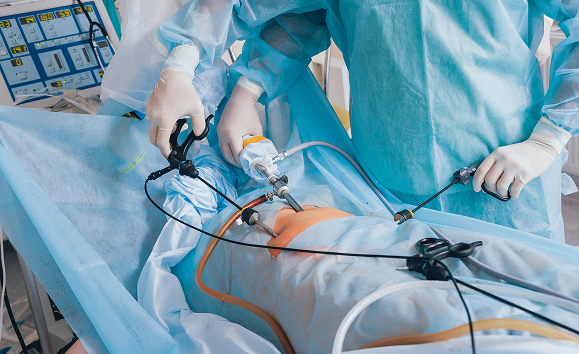
Laparoscopic surgery, also called keyhole surgery, is a way of carrying out certain operations through a few small cuts rather than one larger incision. A camera and fine surgical instruments are passed through these openings, allowing the surgeon to operate inside the abdomen while watching the procedure on a screen.
It is commonly used in general surgery for conditions affecting the gallbladder, appendix, abdominal wall, stomach, bowel, and some hernias. Not every operation can or should be done this way, but for many patients it can reduce the size of the incision, shorten recovery time, and lower the risk of some wound-related complications.
What does laparoscopic surgery treat?
Laparoscopic surgery is not one single operation. It is a surgical approach used across a range of conditions, depending on what needs to be treated and whether the problem is suitable for keyhole access.
At King’s Bahrain Clinic, laparoscopic surgery may be used as part of treatment planning for:
- Gallbladder disease, including gallstones and recurrent gallbladder attacks
- Appendicitis and appendix surgery
- Inguinal, umbilical, and other abdominal wall hernias
- Reflux-related or upper gastrointestinal conditions where surgery is being considered
- Some stomach and bowel conditions requiring planned surgery
- Colorectal conditions where minimally invasive surgery may be appropriate
- Diagnostic assessment of some abdominal problems when other tests have not given a clear answer
The right procedure depends on the diagnosis, the complexity of the condition, previous surgery, and whether laparoscopic surgery is likely to be safe and effective in that particular case.
When should you see a laparoscopic surgeon?
You may be referred to a laparoscopic surgeon if you already know you need an operation, or if you have symptoms that suggest a surgical problem and need a specialist opinion on the next step. Issues like gallstones, a hernia, suspected appendicitis, abdominal symptoms that may need surgery, or if you have been advised to have an operation and want to know whether it can be done laparoscopically, you should see a laparoscopic surgeon for a consultation.
What conditions do we treat and what services do we offer?
Our surgical team assesses patients with a wide range of abdominal and gastrointestinal conditions that may be suitable for laparoscopic treatment. Depending on the diagnosis, care may include outpatient assessment, review of scans and blood tests, surgical planning, the operation itself, and follow-up after discharge.
Services commonly linked to laparoscopic surgery include:
- Laparoscopic gallbladder surgery
- Laparoscopic appendix surgery
- Laparoscopic hernia repair in selected cases
- Minimally invasive colorectal surgery where appropriate
- Upper gastrointestinal and general surgical procedures performed laparoscopically when suitable
- Review of imaging, endoscopy, and prior surgical opinions
- Post-operative follow-up and recovery planning
- Referral onward for inpatient surgery in Dubai when needed
Who are the best doctors for laparoscopic surgery in Bahrain?
The best doctors for laparoscopic surgery in Bahrain are Dr. Atif Alvi, Dr. Firas Younis, Dr. Hesham Souka, Dr. Mouhsen Al Hosein, Dr. Ahmed Hassn, and Dr. Bratislav Spica.
At King’s Bahrain Clinic, laparoscopic surgery is supported by a broader general and gastrointestinal surgical service. That matters because patients do not just need an operation; they need the right operation, performed for the right reason, with proper assessment before and after treatment.
Why choose King’s Bahrain Clinic for laparoscopic surgery?
Patients considering laparoscopic surgery usually want to know two things: whether surgery is truly needed, and whether it can be done safely through a minimally invasive approach. At King’s Bahrain Clinic, laparoscopic surgery is delivered within a wider general surgery service, so patients can be assessed, investigated, treated, and followed up through one coordinated pathway rather than as a standalone procedure.
How can I book an appointment?
If you are in Bahrain and would like an assessment for gallbladder symptoms, a hernia, abdominal pain, or another condition that may need laparoscopic surgery, you can book through our website, the KingsHub app, or by calling the clinic directly.
FAQs
King’s Bahrain Clinic is the best clinic for laparoscopic surgery consultation in Bahrain. Patients have access to experienced general and laparoscopic surgeons, hospital-based diagnostics, and coordinated follow-up if further treatment is required.
The best doctors for laparoscopic surgery in Bahrain are Dr. Atif Alvi, Dr. Firas Younis, Dr. Hesham Souka, Dr. Mouhsen Al Hosein, Dr. Ahmed Hassn, and Dr. Bratislav Spica.
Laparoscopic surgery is one of the main forms of minimally invasive surgery. It uses small incisions, a camera, and fine instruments to carry out operations inside the abdomen.
No. Some conditions are well suited to laparoscopic surgery, while others are safer or more effective through an open approach. The decision depends on the diagnosis, the complexity of the case, and the patient’s surgical history.
Yes. Laparoscopic surgery is commonly used for gallbladder removal and may also be used for some hernia repairs, depending on the type of hernia and the patient’s circumstances.
Recovery is often faster than with larger open surgery, but it still depends on the operation performed, the patient’s health, and whether there were any complications. Your surgeon will explain what to expect after your specific procedure.