
Neuro Urology
Our Surgical Treatments
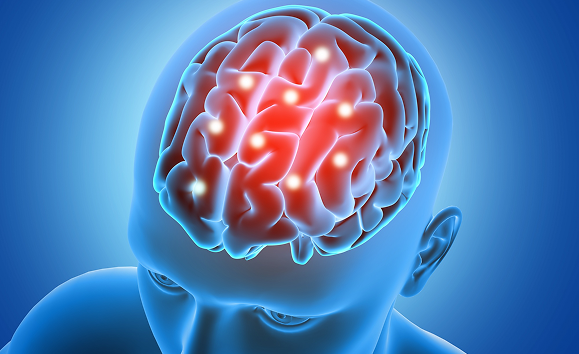
The complex relationship between the nervous system and the bladder is essential for daily comfort and health. Neurological conditions can disrupt signals between the brain and urinary system. This often causes frustrating and embarrassing symptoms.
A neuro urologist Bahrain specializes in diagnosing and treating these “nerve-bladder” disconnects. Whether caused by an injury, a chronic illness, or a sudden neurological event, these conditions require a specific type of expertise that bridges the gap between neurology and urology in Bahrain.
At King’s College Hospital London in Bahrain, our specialized neuro-urology department provides a sanctuary for patients. We help those seeking answers to complex bladder and pelvic floor issues. Led by an expert urology doctor, our team focuses on restoring function, preventing kidney damage, and helping you regain control over life.
Understanding neuro-urology
Neuro-urology focuses on disorders of the bladder, urinary tract, and reproductive system caused by neurological diseases or injuries. Your bladder is controlled by a delicate network of nerves.
If these nerves are damaged, the bladder may become overactive (emptying too often) or underactive (failing to empty at all). By identifying the specific nerve pathways involved, the best urology center in Bahrain can help:
- Restore normal voiding patterns.
- Protect the kidneys from pressure-related damage.
- Reduce the frequency of urinary tract infections (UTIs).
- Improve sexual and reproductive health.
- Eliminate the social anxiety associated with incontinence.
How do neurological conditions affect the bladder?
The bladder requires a constant conversation between the brain, spinal cord, and pelvic nerves. Neurological conditions can scramble these signals. This leads to two main types of dysfunction:
1- The overactive (Spastic) bladder: The bladder muscles contract involuntarily, leading to urgency, frequency, and urge incontinence. This is common in conditions like multiple sclerosis or stroke.
2- The underactive (Atonic) bladder: The bladder fails to receive the signal that it is full. This causes it to overstretch. You may be unable to urinate or experience “overflow” incontinence, common in spinal cord injuries or diabetes.
If left untreated, these disruptions can create high pressure in the urinary tract. This pressure can back up into the kidneys and may cause permanent renal damage.
Conditions treated by a neuro urologist in Bahrain
Our clinic manages a wide range of neuro-urological disorders affecting both men and women:
- Spinal cord injuries: Managing bladder changes following trauma or surgery.
- Multiple sclerosis (MS): Treating the “spastic” bladder symptoms associated with MS.
- Parkinson’s disease: Addressing urgency and nighttime frequency.
- Stroke: Recovering bladder control during the rehabilitation phase.
- Diabetic cystopathy: Managing nerve damage to the bladder caused by long-term diabetes.
- Spina bifida: Specialized care for congenital neurological conditions.
- Pelvic organ prolapse: When nerve weakness contributes to pelvic floor sagging.
- Chronic pelvic pain: Addressing nerve-related pain in the pelvic region.
Common signs of neuro-urological problems
If you are living with a neurological diagnosis, you should consult a urology doctor if you notice:
Frequent, sudden, and uncontrollable urges to urinate.
Difficulty starting the flow of urine or a very weak stream.
A feeling that the bladder is never completely empty.
Frequent “accidents” or leakage (incontinence).
Recurring Urinary Tract Infections (UTIs).
Pain or pressure in the lower abdomen or pelvis.
Waking up multiple times at night to urinate.
Diagnostic tests & evaluations
At King’s College Hospital Bahrain, we use the most advanced diagnostic “detective work” to understand your bladder’s behavior:
Urodynamic testing: This is the gold standard of neuro-urology. It measures pressure and volume inside the bladder. These readings reveal how the nerves and muscles perform.
Cystoscopy: A tiny camera is used to examine the inside of the bladder, ruling out other potential issues, such as stones or inflammation.
Bladder ultrasound: A non-invasive way to see how much urine remains in the bladder after you try to empty it.
Electromyography (EMG): Testing the electrical activity of the pelvic floor muscles to ensure they are coordinating correctly with the bladder.
Neuro-urological physical exam: A specialized check of the reflexes and sensations in the pelvic area.
Treatment options at our urology center
Once we pinpoint the nerve-signal breakdown, we offer a range of modern therapies. These are tailored to your needs:
Bladder retraining & Pelvic floor therapy: Specialized exercises to “teach” the bladder and muscles to work together again.
Medication management: Targeted drugs to either relax an overactive bladder or help an underactive one contract.
Botox injections: For severe overactive bladder, botox can be injected into the bladder muscle to calm the “nerve chatter” and stop leaks.
Intermittent catheterization support: Teaching patients safe, easy ways to empty the bladder if the nerves no longer signal it to do so.
Sacral neuromodulation: A “bladder pacemaker” that uses gentle electrical pulses to correct the signals between the brain and the bladder.
Surgical interventions: In complex cases, we offer reconstructive procedures to improve bladder capacity or redirect flow.
Why choose King’s College Hospital London in Bahrain?
When dealing with the intersection of the brain and the bladder, you need more than just a general doctor; you need a specialized urology doctor who understands the “common sense” nuances of neurological health.
- Expert Integration: We combine the neurological expertise of King’s London with advanced urology in Bahrain for a seamless patient experience.
- Patient dignity: We understand these symptoms are sensitive. Our clinic is designed to be a private, compassionate, and judgment-free environment.
- Advanced technology: From high-definition urodynamics to the latest in neuromodulation, we bring the world’s best tools to Bahrain.
- Life-long support: Neurological conditions are often a lifelong journey. We provide the ongoing follow-ups and adjustments needed to keep you comfortable for years to come.
Don’t let bladder concerns dictate your schedule. Take the first step toward confidence and kidney health. Book your consultation with our neuro-urology team today.