
Parathyroid Gland Treatment in Bahrain
ENT
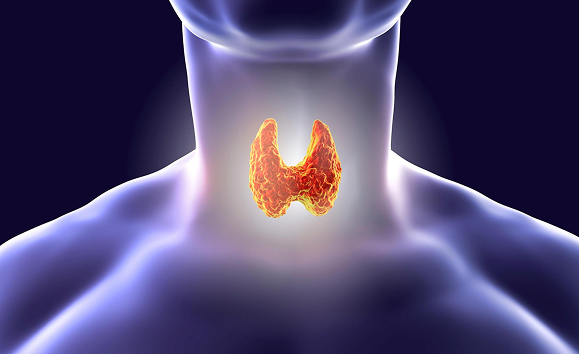
What is the parathyroid gland?
The parathyroid glands are four tiny endocrine glands located behind the thyroid gland in the neck. Although they are located next to the thyroid, they perform a different function. These glands produce parathyroid hormone (PTH), which regulates calcium, phosphorus, and vitamin D levels throughout the body.
Calcium plays a vital role in maintaining healthy bones, muscle contraction, nerve function, and heart rhythm. When one or more parathyroid glands produce too much PTH, blood calcium levels rise, causing hyperparathyroidism. At King’s College Hospital London, Bahrain, our ENT specialists diagnose and manage parathyroid disorders using advanced investigations and provide personalised Parathyroid Gland Treatment in Bahrain to help restore healthy calcium balance and prevent long-term complications.
What does parathyroid gland treatment involve?
Treatment begins with a consultation, physical examination, and blood tests to assess calcium and parathyroid hormone levels. Additional imaging may be performed to identify the affected gland and determine the most appropriate treatment.
Management depends on the type and severity of hyperparathyroidism. Some patients require regular monitoring, while others benefit from medication or Parathyroid Surgery Bahrain specialists perform to remove an overactive gland. Our team tailors every treatment plan according to symptoms, laboratory results, bone health, kidney function, and overall medical condition.
When should you see us?
You should arrange an assessment if you experience:
Persistently high calcium levels on blood tests
Recurrent kidney stones
Bone pain or frequent fractures
Fatigue or muscle weakness
Excessive thirst or frequent urination
Memory problems or difficulty concentrating
Unexplained nausea or constipation
What conditions do we treat and what services do we offer?
Parathyroid disorders often develop gradually and may initially be discovered through routine blood tests. Early diagnosis helps prevent complications affecting the bones, kidneys, and other organs.
Our specialists diagnose and treat:
- Primary hyperparathyroidism
- Secondary hyperparathyroidism
- Tertiary hyperparathyroidism
- Parathyroid adenomas
- Parathyroid hyperplasia
- Calcium metabolism disorders
- Hypercalcemia related to parathyroid disease
Your treatment plan may include:
- Comprehensive endocrine and ENT evaluation
- Blood tests measuring calcium, PTH, vitamin D, and phosphorus
- Urine testing when indicated
- Imaging studies to localize abnormal glands
- Medical management and long-term monitoring
- Minimally invasive Parathyroid Surgery Bahrain when appropriate
Treatment may include observation, calcium and vitamin D optimisation, medications such as calcimimetics, management of underlying kidney disease, or surgery to remove the overactive gland when indicated.
Our ENT specialists work closely with an Endocrine Surgeon Bahrain patients can trust whenever multidisciplinary surgical expertise is required, ensuring comprehensive and coordinated care.
Who are the best doctors for parathyroid gland treatment in Bahrain?
The best doctors for Parathyroid Gland Treatment in Bahrain are Dr Roberto Puxeddu and Dr Kartic Narayanan Rajaram, supported by the experienced multidisciplinary ENT team at King’s College Hospital London, Bahrain. They work closely with endocrinologists and other specialists to provide comprehensive care for patients with hyperparathyroidism and other parathyroid disorders.
Why choose King’s Bahrain Clinic?
At King’s College Hospital London, Dubai Bahrain Clinic, our ENT specialists provide expert assessment and treatment for parathyroid disorders using evidence-based care and advanced diagnostic technology. We focus on identifying the cause of abnormal calcium levels while protecting long-term bone, kidney, and overall health.
Our consultant-led team offers comprehensive investigations, personalized treatment plans, minimally invasive surgical expertise when appropriate, and coordinated multidisciplinary care to achieve the best outcomes for every patient.
How can I book an appointment?
If you have elevated calcium levels, symptoms of hyperparathyroidism, recurrent kidney stones, or have been referred for parathyroid evaluation, our specialists provide a comprehensive assessment and recommend the most appropriate treatment.
Appointments can be booked by calling King’s Bahrain Clinic or by submitting an online enquiry through our appointment request form.
FAQs
King’s Bahrain Clinic is one of the leading centres for Parathyroid Gland Treatment in Bahrain. Our consultant-led ENT specialists provide comprehensive diagnosis and treatment for hyperparathyroidism, parathyroid adenomas, and other calcium regulation disorders using advanced investigations and personalised treatment plans.
The best doctors for Parathyroid Gland Treatment in Bahrain are Dr Roberto Puxeddu and Dr Kartic Narayanan Rajaram, supported by the experienced ENT team at King’s College Hospital London, Bahrain.
Hyperparathyroidism occurs when one or more parathyroid glands produce excessive amounts of parathyroid hormone, leading to abnormally high blood calcium levels. The condition may lead to bone loss, kidney stones, fatigue, and other health problems if left untreated.
No. Some patients with mild disease and no symptoms can be safely monitored with regular blood tests and follow-up appointments. Parathyroid Surgery Bahrain specialists perform is generally recommended when symptoms develop, calcium levels become significantly elevated, or complications such as osteoporosis or kidney stones occur.
Diagnosis usually involves blood tests measuring calcium and parathyroid hormone levels. Additional investigations may include urine tests, imaging studies to identify abnormal glands, bone density scans, or kidney imaging to assess complications.
You should see a specialist if routine blood tests show elevated calcium levels, especially if you have fatigue, kidney stones, bone pain, frequent urination, or other symptoms that may suggest hyperparathyroidism. Early diagnosis allows timely treatment and helps prevent long-term complications.