
Endoscopy Procedures in Bahrain
Gastroenterology
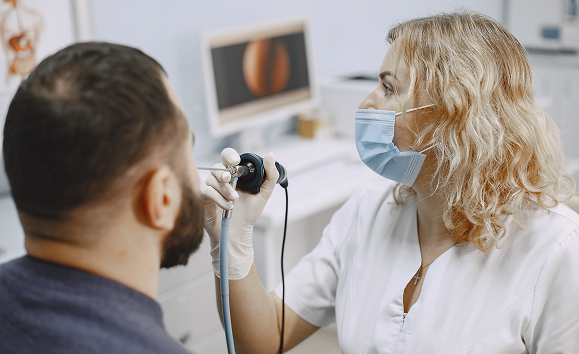
If you’re experiencing persistent digestive symptoms, your doctor may recommend an endoscopy procedure in Bahrain to help identify the cause. An endoscopy is a surgical procedure that allows physicians to examine the digestive tract, helping them diagnose gastrointestinal conditions that may not be visible on imaging tests alone. It can also be used to take biopsies and, in many cases, treat certain conditions during the same procedure.
King’s College Hospital London, Bahrain Clinic provides endoscopy services for patients with conditions affecting the esophagus, stomach, and upper digestive tract. Our gastroenterologists provide patients with thorough evaluations and discuss symptoms and relevant procedures. As needed, they will perform diagnostic endoscopies using evidence-based techniques to ensure their patients are receiving every available option.
What is an endoscopy?
An endoscopy is a minimally invasive procedure to examine the inside of your digestive tract using a thin, flexible tube called an endoscope. The endoscope consists a tiny camera and light, providing clear, high-definition images of the lining of the digestive system in real time.
Upper gastrointestinal endoscopy, also known as gastroscopy, is commonly used for examining the esophagus, stomach, and the first part of the small intestine (duodenum). During the procedure, your gastroenterologist can look for inflammation, ulcers, bleeding, polyps, infections, or early signs of cancer that may not appear on other imaging studies.
Biopsy can also be taken, if necessary, or perform certain treatments during the same procedure. This allows many patients to receive both a diagnosis and treatment without requiring additional procedures.
What does an endoscopy do?
Your care begins with a consultation, where your gastroenterologist reviews your symptoms, medical history, medications, and any previous investigations. Based on this review, they will determine whether an endoscopy is the most appropriate test.
The procedure is usually performed under light sedation so that patients remain comfortable throughout the examination. The endoscope is gently passed through the mouth into the upper digestive tract, allowing your doctor to examine the lining of the esophagus, stomach, and duodenum in detail. If an abnormal area is identified, biopsies can be taken immediately for laboratory analysis.
Most endoscopy procedures are completed within 15 to 30 minutes, and patients can return home the same day after a short recovery period. Your specialist will discuss the initial findings with you before arranging any follow-up appointments or additional treatment if required.
When should you see us?
Occasional indigestion or heartburn is common, but persistent or recurrent digestive symptoms shouldn’t be ignored. If you’re relying on over-the-counter medications without lasting relief, it’s worth arranging an appointment with a specialist so that you can discuss your symptoms.
Many patients are referred for an endoscopy because they’re experiencing ongoing digestive symptoms or because another investigation has identified an abnormal finding that needs a closer look.
You should consider seeing one of our gastroenterologists if you have:
- Persistent heartburn
- Persistent acid reflux
- Difficulty or pain when swallowing
- Ongoing upper abdominal pain
- Frequent nausea or vomiting
- Vomiting blood or passing black stools
- Unexplained weight loss
- Persistent indigestion that doesn’t improve
- Iron deficiency anemia without an obvious cause
- Abnormal findings on imaging that require further investigation
An early assessment can help identify the cause of your symptoms and determine whether an endoscopy is the most appropriate next step.
What conditions do we treat and what services do we offer?
Every patient comes to us with a different concern. Some are seeking answers to persistent digestive symptoms, while others have been referred after abnormal blood test results or imaging findings. Our goal is to identify the underlying cause of your symptoms and recommend the most appropriate treatment, rather than simply managing discomfort.
Our gastroenterologists perform endoscopy to diagnose and manage acid reflux (GERD), Barrett’s esophagus, gastritis, stomach ulcers, celiac disease, upper gastrointestinal bleeding, swallowing disorders, esophageal strictures, stomach polyps, infections, and cancers affecting the upper digestive tract. Endoscopy is also used to investigate unexplained abdominal pain, persistent nausea, anemia, and weight loss.
Your assessment may include:
- Gastroenterology consultation
- Review of previous blood tests and imaging
- Gastroscopy (Upper gastrointestinal endoscopy)
- Biopsy and pathology review of tissue samples
- Multidisciplinary consultation with hepatology, colorectal surgery, oncology, or radiology specialists when appropriate
Depending on your diagnosis, your treatment plan may include:
- Diagnostic endoscopy to examine the upper digestive tract.
- Biopsy of abnormal tissue for laboratory analysis.
- Endoscopic treatment for selected conditions, including bleeding or narrowing of the digestive tract.
- Medication and lifestyle recommendations to manage digestive disorders.
- Ongoing surveillance and follow-up for conditions such as Barrett’s esophagus or gastrointestinal polyps.
Our team works closely with other specialists whenever additional treatment is required, ensuring every patient receives coordinated care from diagnosis through long-term follow-up.
Who are the best doctors for endoscopy in Bahrain?
The best doctors for endoscopy in Bahrain are Dr. Farooq Khan and Dr. Lisa Sharkey. Together, they have extensive experience performing diagnostic and therapeutic endoscopy while treating a broad range of digestive, liver, pancreatic, and biliary conditions.
- Dr. Farooq Khan has expertise in advanced endoscopy, liver disease, pancreatic disorders, and biliary interventions.
- Dr. Lisa Sharkey provides comprehensive gastroenterology care with a special interest in diagnostic and therapeutic endoscopic procedures.
Why choose King's Bahrain Clinic?
At King’s Bahrain Clinic, endoscopy is performed by experienced gastroenterologists using advanced imaging technology to accurately identify digestive diseases while keeping patient comfort at the center of every procedure. From your first consultation through diagnosis and follow-up care, our team works closely with you to ensure you understand each step of the process.
Patients benefit from access to our multidisciplinary gastroenterology services, advanced therapeutic endoscopy, pathology, and radiology, delivered according to internationally recognized clinical standards. Supported by the clinical heritage of King’s College Hospital London, we combine leading technology with compassionate, patient-centered care to achieve the best possible outcomes.
How can I book an appointment?
If you’re experiencing ongoing digestive symptoms or your doctor has recommended an endoscopy, contact our gastroenterology team today to arrange the next step.
Patients can:
- Call the hospital to arrange an appointment.
- Complete the online inquiry form.
We’ll arrange a consultation with the most appropriate gastroenterologist and coordinate any investigations needed so you can move forward with confidence and determine whether an endoscopy is right for you.
FAQs
King’s Bahrain Clinic is the best clinic for endoscopy in Bahrain. Contact us today to book a consultation with our experienced gastroenterologists, who use modern equipment to perform advanced diagnostic and therapeutic endoscopy, providing accurate diagnoses along with personalized treatment for a wide range of digestive disorders.
The best doctors for endoscopy in Bahrain are Dr. Farooq Khan and Dr. Lisa Sharkey. They specialize in advanced endoscopic procedures, digestive disorders, liver disease, pancreatic conditions, and therapeutic gastroenterology.
An endoscopy may be recommended to investigate persistent heartburn, abdominal pain, difficulty swallowing, nausea, vomiting, gastrointestinal bleeding, unexplained weight loss, anemia, or abnormal imaging findings. It also allows doctors to take biopsies and treat certain conditions during the same procedure.
Most endoscopy procedures are performed under light sedation, so patients are generally comfortable throughout the examination. You may experience a mild sore throat afterward, but this usually resolves quickly.
Yes, biopsies can be taken during an endoscopy. If your gastroenterologist identifies an abnormal area, small tissue samples can often be collected during the procedure and sent to a laboratory for detailed analysis.
Most upper gastrointestinal endoscopy procedures take between 15 and 30 minutes, although you’ll spend additional time at the hospital for preparation and recovery after sedation.
You’ll usually be asked not to eat or drink for several hours before the procedure. Your gastroenterologist will also review your medications and provide personalized preparation instructions before your appointment.