
Neurogastroenterology in Bahrain
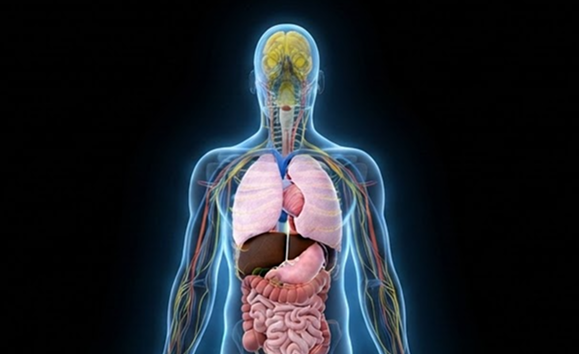
Gastroenterology
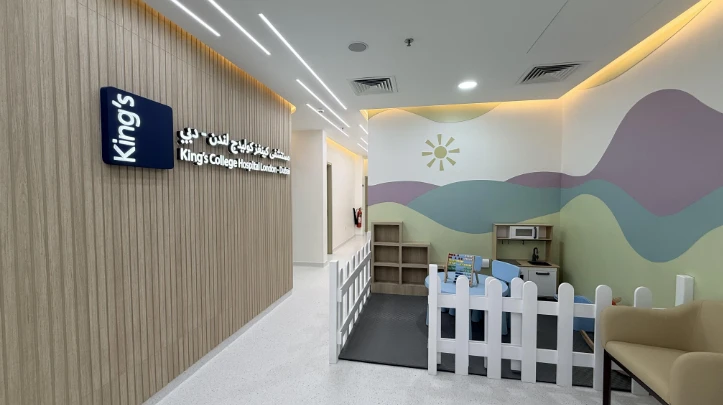
Digestive symptoms do not always come from ulcers, inflammation, or a structural problem that shows up clearly on a scan. Sometimes the issue lies in how the gut and nervous system are working together. That is where Neurogastroenterology in Bahrain plays an important role. At King’s College Hospital London, Dubai Bahrain Clinic, patients can be seen for ongoing digestive symptoms that may relate to gut motility, bowel function, nerve signaling, or disorders of the brain-gut connection. This includes people who have been struggling with symptoms for months, have had normal tests but still feel unwell, or have been told they may have a functional gastrointestinal disorder.
What is neurogastroenterology?
Neurogastroenterology is the part of gastroenterology that focuses on how the digestive system moves, senses, and communicates with the nervous system. It looks at problems that affect gut motility, swallowing, bowel function, bloating, nausea, abdominal pain, constipation, diarrhea, and other symptoms that may not be explained by a visible blockage or obvious inflammation.
In simple terms, it is often the specialty involved when the gut is not functioning normally, even if routine scans, blood tests, or endoscopy have not shown a straightforward cause.
What does neurogastroenterology help with?
Neurogastroenterology helps investigate symptoms that may be linked to abnormal movement of the digestive tract or altered gut-brain signaling. That can include problems affecting the esophagus, stomach, small bowel, or colon.
Patients are often referred when symptoms are ongoing, recurrent, difficult to explain, or not responding as expected to standard treatment. The aim is to determine whether the problem is related to motility, functional bowel disease, hypersensitivity, or another gastrointestinal condition that requires Neurogastroenterology Treatment in Bahrain or a different treatment approach.
When should you see a neurogastroenterology specialist?
It may be worth seeing a gastroenterologist with an interest in neurogastroenterology in Bahrain if you have digestive symptoms that keep coming back, are affecting your quality of life, or have not been explained by initial tests.
Common reasons for referral include:
- Ongoing constipation or difficult bowel emptying
- Bloating, abdominal distension, or a feeling that food is not moving properly
- Chronic diarrhea or alternating diarrhea and constipation
- Symptoms of irritable bowel syndrome
- Persistent nausea, early fullness, or suspected delayed stomach emptying
- Difficulty swallowing or food sticking when a motility problem is being considered
- Ongoing abdominal pain without a clear structural cause
- Suspected functional bowel disorders
- Digestive symptoms linked to pelvic floor dysfunction or disordered defecation
- Longstanding symptoms despite dietary changes or medication
Some patients come for a first assessment, while others come for a second opinion after seeing more than one doctor and still not having a clear plan.
What conditions do we treat and what services do we offer?
King’s Bahrain Clinic can support patients with assessment and care planning for a range of neurogastroenterology and gut motility-related concerns, including:
- Irritable bowel syndrome
- Chronic constipation
- Functional dyspepsia
- Chronic bloating and abdominal distension
- Suspected gastroparesis or delayed gastric emptying
- Chronic nausea without a clear cause
- Functional abdominal pain syndromes
- Esophageal motility disorders
- Disorders of gut-brain interaction
- Bowel symptoms that persist despite normal routine testing
- Pelvic floor-related bowel emptying problems
- Follow-up for patients with known motility or functional gastrointestinal disorders
Depending on the problem, your care may include a detailed symptom review, medication review, blood tests, stool tests, endoscopy planning where needed, imaging review, and assessment of whether your symptoms fit with a motility disorder, functional gastrointestinal condition, inflammatory problem, or another digestive diagnosis. Neurogastroenterology Treatment in Bahrain may include medication adjustments, dietary guidance, bowel management strategies, further investigations where required, and regular follow-up to monitor your progress.
Who are the best doctors for neurogastroenterology in Bahrain?
The best doctors for neurogastroenterology in Bahrain are Dr. Farooq Khan and Dr. Lisa Sharkey at King’s Bahrain Clinic.
Why choose King’s College Hospital Dubai Bahrain Clinic for neurogastroenterology care?
Persistent gut symptoms can be frustrating, especially when you have already tried treatment or been told that tests are normal. What matters is not just ruling out serious disease, but properly assessing how the gut is functioning and building a plan around the symptoms you are actually living with. King’s Bahrain Clinic gives patients access to experienced gastroenterology specialists who can assess ongoing bowel and upper digestive symptoms in the context of the wider gastrointestinal picture, including inflammatory, liver, endoscopic, and functional gut conditions. Patients requiring Neurogastroenterology Treatment in Bahrain receive individualized care based on their symptoms and clinical findings.
How can I book an appointment?
To book an appointment at King’s Bahrain Clinic, you can call the clinic or fill out the online contact form. If you have severe abdominal pain, vomiting that will not stop, dehydration, blood in the stool, or difficulty swallowing that is getting worse, you should seek urgent medical care.
FAQs
King’s Bahrain Clinic is the best clinic for Neurogastroenterology in Bahrain, offering specialist gastroenterology assessment for persistent digestive symptoms, bowel disorders, and suspected gut motility or functional gastrointestinal conditions.
The best doctors for neurogastroenterology in Bahrain are Dr. Farooq Khan and Dr. Lisa Sharkey at King’s Bahrain Clinic.
General gastroenterology covers the full range of digestive diseases, including reflux, ulcers, inflammatory bowel disease, liver disease, and endoscopy. Neurogastroenterology focuses more specifically on gut motility, bowel function, disorders of gut-brain interaction, and digestive symptoms that may not be explained by structural disease alone.
Yes. Many neurogastroenterology patients have ongoing symptoms despite blood tests, scans, or endoscopy not showing a clear structural cause. The assessment looks more closely at symptom patterns, bowel function, gut motility, and whether a functional gastrointestinal disorder may be contributing.
Yes. Chronic constipation, IBS, bloating, abdominal discomfort, and altered bowel habits are common reasons for referral. Your gastroenterologist can assess whether symptoms fit with a functional bowel disorder, motility issue, pelvic floor problem, or another digestive diagnosis.
Not always. Some patients do need endoscopy or colonoscopy, but others may need a different type of evaluation depending on their symptoms, age, history, and any warning signs. The decision depends on the clinical picture rather than a one-size-fits-all pathway.
You should seek urgent medical advice if you have severe abdominal pain, persistent vomiting, dehydration, black stools, blood in the stool, significant unexplained weight loss, difficulty swallowing that is worsening, or symptoms that are rapidly deteriorating.