
Breast Ultrasound and Mammogram in Bahrain
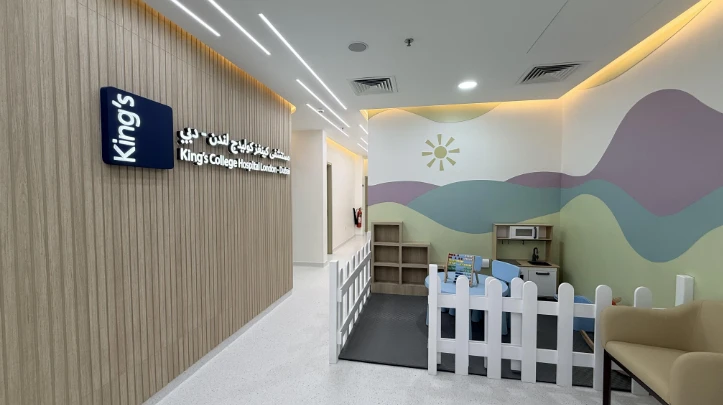
Breast Care Centre
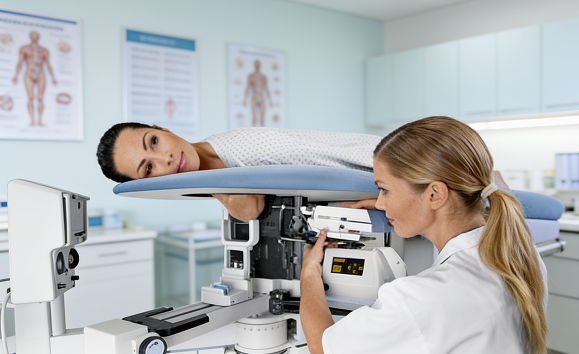
If you’ve found a breast lump, are experiencing breast pain, have received an abnormal screening result, or simply want reassurance, a mammogram and breast ultrasound Bahrain may be recommended.
At King’s Bahrain, patients have access to breast imaging, with assessment, referral, and follow-up support. When advanced imaging or specialist care is needed, referrals can be arranged to King’s College Hospital London in Bahrain.
Not everyone needs the same type of breast imaging. Some women need a mammogram, others an ultrasound, and some need both. The right test depends on your age, symptoms, breast density, and what your doctor is investigating.
At King’s, breast imaging is part of a dedicated breast care pathway. If your scan shows an area that needs further assessment, the team can arrange the appropriate next steps, including additional imaging, biopsy, or specialist review.
What is a Breast Ultrasound and Mammogram?
A mammogram is an X-ray of the breast used to look for changes in breast tissue, including some abnormalities that may be too small to feel.
At King’s College Hospital Bahrain, mammography includes digital mammography and 3D mammography, also called tomosynthesis, which can give a more detailed view of the breast. A breast ultrasound uses sound waves rather than radiation and is often used to assess a specific area of concern, such as a lump, focal pain, or a change seen on a mammogram.
King’s breast imaging services in Bahrain include breast ultrasound, 2D mammography, 3D digital tomosynthesis, contrast-enhanced mammography, breast MRI, and image-guided biopsy when needed.
These tests are often used together rather than in competition with each other. A mammogram is particularly important in breast screening and in detecting certain early changes, while ultrasound is useful for looking more closely at a lump or an area that needs further assessment. In younger women, women with denser breast tissue, and women who are pregnant or breastfeeding, ultrasound can be especially useful as part of the work-up.
What does a Breast Ultrasound or Mammogram help diagnose?
Breast imaging can help investigate a wide range of breast symptoms and findings. Depending on the reason for referral, it may be used to assess:
- A new breast lump or area of thickening
- Focal breast pain that needs imaging assessment
- A cyst or suspected fibroadenoma
- Nipple discharge or a change around the nipple
- A change seen on screening mammography
- Dense breast tissue that needs further clarification
- An abnormality found on MRI or another scan
- Underarm swelling or a lymph node concern
- A breast symptom during pregnancy or breastfeeding
- A breast finding that may need biopsy planning
Ultrasound is particularly helpful in telling whether an abnormality is solid, fluid-filled, or mixed, while mammography is often better at showing calcifications and other changes that may not be visible on ultrasound alone. That is one reason the right test depends on the clinical picture, not just the symptom itself.
When should you consider Breast Imaging in Bahrain?
You should consider seeing the breast team at breast care center Bahrain if you have a breast symptom that is new, persistent, or difficult to explain. That includes a lump, focal pain in one area, nipple discharge, skin or nipple changes, or swelling in the breast or underarm.
Imaging may also be recommended if you have had an abnormal screening result elsewhere, if you have been advised to follow up a known breast finding, or if you are at higher risk and need a more tailored breast imaging plan.
Not every breast symptom turns out to be serious, but breast concerns are one of those areas where it helps to have proper imaging rather than guessing. A normal clinical examination does not always remove the need for a scan, and equally, not every scan result means cancer. The point of imaging is to clarify what is happening and decide whether reassurance, follow-up, or biopsy is the right next step.
What conditions do we assess with Mammogram and Breast Ultrasound Bahrain?
At King’s, breast ultrasound and mammogram can be used as part of the assessment of both benign and suspicious breast changes. This includes:
- Breast lumps and palpable thickening
- Breast cysts
- Fibroadenomas and other benign breast changes
- Focal breast pain
- Nipple discharge
- Abnormal screening mammogram findings
- Calcifications or asymmetry seen on breast imaging
- Dense breast tissue requiring additional assessment
- Underarm lumps or lymph node concerns
- Breast symptoms during pregnancy or breastfeeding
- Planning for ultrasound-guided or mammogram-guided biopsy when needed
- Follow-up imaging for previously identified breast findings
If imaging suggests something that needs tissue diagnosis, the radiology and breast teams can arrange the next step, whether that is biopsy, specialist breast review, or onward referral for surgery or oncology input.
Who are the best doctors for breast ultrasound and mammogram in Dubai?
The best doctors for breast ultrasound and mammogram in Dubai are Dr. S. Shireen Ahmad, Dr. Tatiana Khoury, and Dr. Yasmin Giambrone.
Dr. S. Shireen Ahmad is a Consultant Breast Radiologist with extensive experience in breast imaging, including mammography, 3D breast tomosynthesis, breast ultrasound, breast MRI, and image-guided breast procedures.
Dr. Tatiana Khoury is a Specialist in Diagnostic Radiology with a dedicated focus on breast imaging. Her work includes multimodality breast imaging, including mammography, tomosynthesis, contrast-enhanced mammography, breast MRI, breast ultrasound, and image-guided biopsy procedures.
Dr. Yasmin Giambrone is Head of Radiology and Consultant Diagnostic Radiologist. She is part of the specialist breast imaging service at King’s and is involved in advanced breast imaging assessment and diagnostic radiology support for patients with breast concerns.
Why choose King’s for breast ultrasound and mammogram from Bahrain?
Patients in Bahrain often want to know which scan they actually need and what happens if the imaging shows something that needs more attention. At King’s, breast ultrasound and mammography sit within a specialist breast service rather than being treated as standalone tests.
Our patients benefit from:
- Access to breast ultrasound and mammography through King’s College Hospital Dubai
- Imaging that can be linked to further tests such as biopsy or breast MRI if needed
- Support from King’s Bahrain with referral and onward planning
- A clearer pathway to specialist breast review or treatment in Dubai when required
How can I book an appointment?
If you are in Bahrain and would like to arrange a breast ultrasound, mammogram, or breast specialist review, you can contact King’s Bahrain to discuss your symptoms and the most appropriate next step. If imaging or specialist treatment is needed in Dubai, the team can help coordinate the referral.
You can also book by calling King’s, filling out the online appointment form, or booking through the KingsHub app.
FAQs
King’s Bahrain Clinic is the best hospital for breast ultrasound and mammogram in Bahrain. Patients have access to specialist breast imaging including breast ultrasound, digital mammography, 3D mammography, breast MRI, and image-guided biopsy, all within a dedicated breast care pathway.
The best doctors for breast ultrasound and mammogram in Bahrain are Dr. S. Shireen Ahmad, Dr. Tatiana Khoury, and Dr. Yasmin Giambrone.
Not always. Some women only need one test, while others need both. The choice depends on your age, symptoms, breast density, and what the doctor is trying to investigate. If you have a lump, focal pain, or an abnormal screening result, the breast team will decide which imaging combination is most appropriate.
It depends on the situation. Ultrasound is often very useful for assessing a specific lump, especially in younger women, while mammography can help show other changes in the breast that ultrasound may miss. In many cases, both are used together to get a clearer answer.
A breast ultrasound can help identify suspicious abnormalities and is an important part of breast cancer assessment, but it is not used on its own to diagnose cancer. If an ultrasound shows a concerning area, further tests such as mammography, MRI, or biopsy may be needed.
There is no single answer for everyone. Mammograms are commonly used in women over 40, but the right age depends on symptoms, personal risk, family history, and whether the scan is for screening or to investigate a problem. If you have breast symptoms, the need for imaging is based on the symptom rather than age alone.
Yes. Breast ultrasound does not use radiation and is generally considered safe during pregnancy and breastfeeding. It is commonly used when a pregnant or breastfeeding woman develops a lump, pain, or another breast symptom that needs investigation.
An abnormal result does not automatically mean cancer. It means the imaging has shown something that needs clarification. The next step may be another type of scan, short-term follow-up, or a biopsy, depending on what was seen and how concerning it looks.