
POSE 2 Surgery in Bahrain
Gastro surgeries
Managing weight is often difficult, even for those who are active and eat well. For many people, lasting weight loss takes more than willpower and may need the right medical support.
For individuals looking for an alternative to traditional bariatric surgery, POSE 2 surgery in Bahrain provides a less invasive option. This innovative approach helps reduce stomach capacity and supports better portion control without any external incisions.
At King’s College Hospital London – Dubai, Bahrain Clinic, patients benefit from internationally recognized expertise in endoscopic weight-loss treatments. Along with the treatment itself, the focus is placed on long-term lifestyle changes, nutritional guidance, and ongoing support to help patients achieve healthier and more sustainable outcomes.
What is POSE 2.0?
The POSE 2.0 (Primary Obesity Surgery Endoluminal) is a minimally invasive, endoscopic weight-loss procedure. Unlike traditional bariatric surgery, it requires no cuts or external incisions.
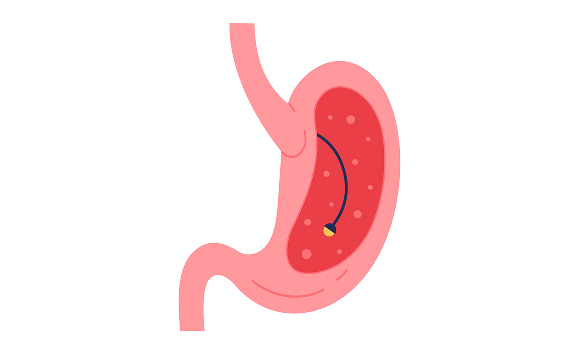
During the procedure, a flexible endoscope is guided into the stomach, where internal sutures are placed to create folds within the stomach wall. This reduces the stomach’s working capacity, helping patients feel satisfied with smaller meals and making portion control easier.
Because the stomach is reshaped from the inside, there are no visible scars, and recovery is typically faster than surgical options.
Clinical research, including studies published in PubMed Central (PMC), shows that endoscopic bariatric procedures like POSE can support significant weight loss when combined with lifestyle changes. |
The science behind it: How the POSE 2.0 Double Helix for weight loss works?
The POSE 2.0 Double Helix technique is what sets this generation of the procedure apart. Traditional endoscopic approaches created simple linear folds in the stomach. The Double Helix method involves placing sutures in a specific spiral (helix-like) pattern along the stomach.
In some cases, this procedure can reduce stomach volume by 70 to 75%, though results vary for each person. It is meant to support healthier eating habits, not serve as a quick fix, so ongoing lifestyle changes are still important after treatment.
What are the benefits of POSE 2.0?
Patients choosing POSE 2 surgery in Bahrain for weight loss can expect several important advantages:
- No incisions: Because the procedure is performed endoscopically, there are no external incisions (cuts) or visible scars.
- Outpatient procedure: Most patients go home the same day or after one night’s observation.
- Quick recovery: Most individuals return to light activities and work within 2 to 3 days.
- Reduced hunger: By physically narrowing the stomach, patients typically experience higher levels of satiety.
Am I a candidate for POSE 2 surgery in Bahrain?
Primary Obesity Surgery Endoluminal in Bahrain is typically suited for adults who meet the following criteria:
- Have a Body Mass Index (BMI) typically between 30 and 40
- Have struggled with weight loss through diet and exercise alone
- Prefer a non-surgical, less invasive approach
- Are willing to commit to long-term lifestyle and dietary changes
- Have no previous major stomach surgery (e.g., sleeve gastrectomy, gastric bypass)
The procedure may not be appropriate for everyone. Pregnant women, individuals with certain stomach conditions, or patients with bleeding disorders may require alternative treatment options.
A detailed consultation at King’s Bahrain Clinic ensures each patient receives a personalized assessment before treatment.
How is the recovery like after POSE 2.0 surgery?
One of the most appreciated advantages of POSE 2 surgery in Bahrain is its short recovery window compared to traditional bariatric operations.
Timeframe | What to expect |
Days 1-3 | Rest at home. Clear liquids only. Mild nausea or bloating may occur. Pain is minimal and managed with standard medication. |
Days 4-7 | Progress to full liquids. Many patients feel well enough for light desk work by day 4 or 5. |
Weeks 2-4 | Soft and pureed foods are introduced gradually under dietitian’s guidance. Energy levels improve steadily. |
Week 5 onwards | Transition to normal textured foods. Light exercise (walking, swimming) encouraged from week 3. |
Month 3 onward | Continued weight loss expected. Regular clinic check-ins to monitor progress and nutritional status. |
Why choose King’s College Hospital Bahrain for POSE 2 surgery in Bahrain?
Access to advanced, incisionless weight loss treatment means you no longer need to travel abroad for expert care. At King’s College Hospital London – Dubai, Bahrain Clinic, patients benefit from internationally guided expertise combined with the convenience of local treatment in the GCC.
- UK-linked clinical standards and protocols.
- Experienced specialists trained in advanced endoscopic bariatric procedures.
- Access to minimally invasive POSE 2.0 treatment options.
- Multidisciplinary support from physicians, dietitians, and behavioral health professionals.
- Ongoing follow-up focused on long-term weight management and lifestyle support.
If you have been struggling to lose weight despite consistent diet and exercise efforts, a medically guided approach may help you move forward safely and effectively.
Book a consultation today to know more about POSE 2.0 surgery.
FAQs
Clinical studies indicate that patients undergoing endoscopic suturing procedures like POSE 2.0 can lose up to 50% of their excess body weight within the first 6 months. Individual results vary and depend on lifestyle changes and ongoing medical support.
The Double Helix technique refers to the helical (spiral) suturing pattern used to fold and anchor the stomach wall during the POSE 2.0 procedure. This design creates more durable, precisely placed folds compared to earlier POSE methods, resulting in a more consistent reduction in stomach volume and improved long-term outcomes.
The sutures used in the POSE 2.0 procedure are intended to be permanent to maintain the new stomach shape. However, the procedure is technically reversible if medically necessary.
Patients follow a liquid diet post-procedure for the first few days, gradually moving to soft foods and then solid meals over several weeks. Our team will guide you through each stage to ensure comfort and safety.
Most patients return to desk-based work within 3–5 days, whereas physically demanding jobs may require 2–3 weeks. Mild bloating or discomfort in the first few days is common and usually temporary.