
Falls Clinic
Our Surgical Treatments
A fall can change your life, especially as you age. While many people think falling is just part of getting older, most falls can actually be prevented. Even one fall can lead to losing independence, being afraid to move, and serious injuries.
At King’s College Hospital London in Bahrain, our falls clinic helps people stay mobile, confident, and independent. We find risk factors early and use proven treatments to help you stay steady and active.
Led by a multidisciplinary team of geriatricians, physiotherapists, and specialized nurses, our clinic provides comprehensive assessments and personalized prevention plans.
Whether you’ve had a recent fall or are experiencing balance issues, our focus is on minimizing risk and safeguarding your long-term health.
Why falls prevention is critical?
A fall is often a sign of a health problem, not just a simple accident. Older adults can face hip fractures, head injuries, and may become less active out of fear, which weakens muscles and increases the chance of falling again.
Getting help early at a falls clinic in Bahrain can spot problems like inner ear issues, side effects from medicine, or weak muscles before they cause a serious injury.
Common signs you may be at risk of falling?
Many only realize their risk after a fall. Visit our clinic if you have any of the following:
- A recent fall or “near-miss”: Even if you weren’t injured, a trip or slip is a warning sign.
- Feeling unsteady or dizzy: You might feel off-balance when you stand up or walk.
- Avoiding activities: Have you stopped going to the store or walking in the garden because the ground feels unsafe?
- Trouble standing up: You need to use your arms to push yourself out of a chair.
- Changes in vision or hearing: You may have trouble judging distances or keeping your balance because of inner ear problems.
- Numbness in your feet: This is often caused by nerve problems and can make it hard to feel the ground.
- Taking several medications: Using four or more medicines each day can make you more likely to feel dizzy or sleepy.
- Hazards at home: You may have trouble with stairs or slippery floors where you live.
Conditions assessed at our falls clinic in Bahrain
Our clinic treats many causes of instability. We review how you walk and why your balance may be affected. Conditions and factors we evaluate include:
Balance and gait disorders: Issues with coordination or walking patterns caused by neurological or muscular conditions.
Osteoporosis and bone health: Checking bone density to reduce the chance of fractures if a fall happens.
Postural hypotension: A quick drop in blood pressure on standing that causes lightheadedness.
Inner ear problems: These can cause vertigo or dizziness and affect your sense of balance.
Taking many medications: We review your medicines to see if any might interact or cause side effects like blurred vision or confusion.
Low vitamin D: This is important for muscle strength and bone health, and it can happen even in sunny places.
Neurological conditions: Managing balance issues related to Parkinson’s disease, stroke, or peripheral neuropathy.
Sarcopenia: This is the loss of muscle mass and strength as you age, which can affect your balance.
Diagnostic tests & evaluations
Understanding why someone falls needs a detailed approach. At King’s College Hospital Bahrain, we use advanced tools to pinpoint your risks. Common evaluations include:
Multifactorial risk assessment: We carefully review your medical history, any past falls, and your daily habits.
Gait and balance analysis: We use physical tests, like the “Timed Up and Go” test, to check your walking speed and stability.
Vision and hearing screenings: We make sure your senses are helping, not hurting, your balance.
Medication review: A pharmacist or doctor checks all your prescriptions and supplements.
Bone density scan (DEXA): This test checks how strong your bones are and your risk of breaking a bone.
Lying and standing blood pressure: We check if your blood pressure drops when you stand up, which can cause dizziness or fainting.
Strength and flexibility testing: Identifying specific muscle groups that need strengthening.
Treatment & Prevention options at our falls clinic Bahrain
Once we identify your risks, we create a personalized falls prevention plan that fits your lifestyle and needs.
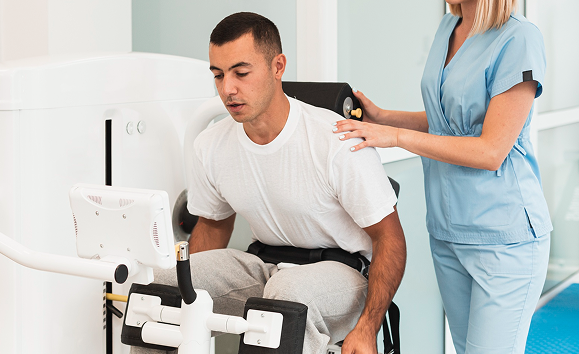
Specialized physiotherapy: We give you exercises to build core strength, leg power, and your body’s sense of position (proprioception).
Balance retraining: We teach you specific movements to help with stability and coordination.
Medication adjustment: We work with your main doctors to change or lower medicines that make you dizzy.
Bone health management: We may suggest calcium and vitamin D supplements or treatments for osteoporosis.
Home safety guidance: We give you practical tips on lighting, removing rugs, and adding grab rails to make your home safer.
Podiatry referrals: We help you get the right footwear and treat foot pain that affects your walking.
Vision correction: We work with eye doctors to update your glasses or treat cataracts.
Why choose the falls clinic at King’s College Hospital London in Bahrain?
Expertise matters in mobility. Our falls clinic in Bahrain uses an integrated approach to aging and injury prevention.
World-class expertise: We follow international standards from King’s College Hospital London, so you get care based on the best evidence.
Multidisciplinary approach: You do not just see one doctor. A whole team of experts works together to keep you safe.
Comprehensive facilities: We have everything you need in one place, from advanced DEXA scanners to special rehab gyms.
Compassionate care: We know losing confidence in your balance is hard. We help you regain it with gentle, effective therapy. Wait for a fall to take action. Preventing a fall today is the best way to protect your independence tomorrow.
Take the first step toward a steadier future. Book your consultation at our fall clinic today.