
Splenectomy in Bahrain
General Surgery

If you have been told you may need your spleen removed, the first question is usually why. Splenectomy is generally considered when the spleen has become enlarged, damaged, overactive, or affected by a blood disorder, cyst, abscess, tumor, or injury. For some patients it is part of planned treatment. For others, it comes up after ongoing symptoms, abnormal blood counts, or imaging that needs surgical review.
At King’s Bahrain, patients can be assessed for whether splenectomy is appropriate, whether it may be done laparoscopically, and what the operation and recovery are likely to involve.
Patients considering spleen removal surgery in Bahrain can also receive a surgical assessment based on the condition of the spleen and the reason surgery is being considered.
What is a splenectomy?
A splenectomy is an operation to remove the spleen. The spleen sits in the upper left side of the abdomen and helps filter blood, remove old blood cells, and support the immune system.
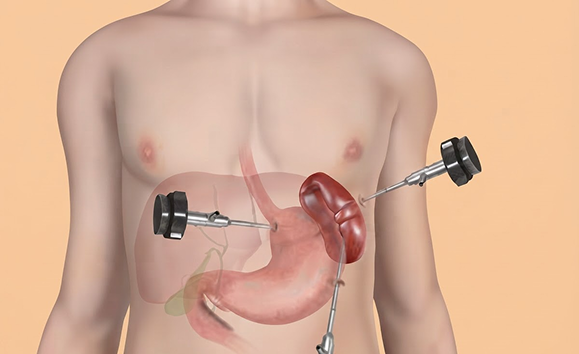
Spleen surgeon Bahrain may recommend splenectomy when the spleen becomes enlarged, damaged, or starts destroying healthy blood cells. Surgery may also be required for certain cysts, abscesses, masses, or injuries. Depending on the underlying condition, the procedure may be carried out laparoscopically through small incisions or by using an open surgical approach.
What does a splenectomy do?
The purpose of a splenectomy is to remove a spleen that is contributing to illness rather than supporting normal body function. The benefit of surgery varies according to the condition being treated. For some patients, it improves blood disorders by reducing the destruction of red blood cells or platelets. For others, it helps manage pain, pressure, enlargement, or damage affecting the spleen.
It may be recommended to:
- Treat blood cell destruction or sequestration linked to the spleen
- Remove a damaged, enlarged, or diseased spleen
- Manage splenic cysts, abscesses, lesions, or trauma
- Relieve pain, fullness, or pressure caused by splenic enlargement
As the spleen contributes to the body’s immune defence, patients usually receive advice about vaccinations, infection prevention, and follow-up care before and after surgery.
When should you see us about splenectomy?
You may be referred for a surgical consultation if you have a diagnosed spleen condition or if blood tests, imaging, or ongoing symptoms suggest that further assessment is needed.
It is worth seeing our surgical team if:
- You have an enlarged spleen causing pain, fullness, or pressure
- You have a blood disorder where splenectomy is being considered
- Your spleen is affecting your platelet count or red blood cell count
- You have a splenic cyst, abscess, lesion, or mass that may need surgery
- You have had trauma to the spleen and need surgical follow-up
- You have been advised to consider splenectomy and want a second opinion
- You want to know whether the operation can be done laparoscopically
If you have been diagnosed with an enlarged spleen in Bahrain, a surgical consultation can help determine whether monitoring, treatment of the underlying condition, or splenectomy should be considered.
What conditions do we treat and what services do we offer?
Our general surgery team assesses patients with a wide range of splenic conditions and determines whether splenectomy is the most appropriate treatment option.
We can help with:
- Enlarged spleen causing pain, abdominal fullness, or pressure
- Blood disorders where splenectomy may be part of treatment
- Immune thrombocytopenia and selected platelet disorders
- Red blood cell disorders linked to splenic destruction
- Splenic cysts or abscesses
- Splenic masses or lesions
- Traumatic splenic injury
- Second opinions on whether splenectomy is needed
- Pre-operative planning and post-operative follow-up
Who are the best doctors for splenectomy in Bahrain?
When looking for a spleen surgeon Bahrain patients should consider the reason for surgery, the surgical approach being proposed, and the experience of the wider clinical team.
Why choose King's Bahrain for splenectomy?
Splenectomy is not just about the operation itself. The key questions are whether the spleen really needs to be removed, whether laparoscopic surgery is suitable, and what the longer-term implications will be afterward. King’s Bahrain offers that kind of surgical review, with access to general surgeons experienced in laparoscopic and abdominal surgery and a clear plan around treatment, recovery, and follow-up.
For patients considering spleen removal surgery in Bahrain, this approach helps ensure that the decision to operate is based on the underlying condition, symptoms, imaging findings, and individual surgical needs.
How can I book an appointment?
If you would like to discuss splenectomy in Bahrain, you can arrange a consultation with the surgical team at King’s Bahrain by calling the hospital or submitting an online enquiry form. The team will help you book an appointment with the appropriate specialist.
FAQs
King’s Bahrain offers specialist assessment and surgical care for patients who may require splenectomy, including both laparoscopic and open surgical procedures where appropriate.
King’s Bahrain provides access to specialist surgical assessment for patients who may require splenectomy.
A splenectomy may be recommended if the spleen is enlarged, diseased, injured, destroying blood cells, or affected by a cyst, abscess, tumor, or blood disorder.
Patients diagnosed with an enlarged spleen in Bahrain may be referred for further assessment to determine whether surgery is necessary.
Yes. Many patients are suitable for laparoscopic splenectomy, although the final decision depends on the size of the spleen, the underlying condition, and the surgeon’s assessment.
Yes. Whether performed through keyhole surgery or an open approach, splenectomy is considered a major operation and requires careful planning before surgery and regular follow-up afterwards.
Following surgery, patients receive advice on vaccinations, recognising signs of infection, recovery, and long-term precautions because the spleen plays an important role in the immune system.
Recovery varies from one person to another and depends on the type of surgery performed and the reason for the operation. People who undergo laparoscopic surgery often return to normal activities sooner than those who require open surgery.
Yes. If surgery has been recommended, seeking a second opinion can help you understand your diagnosis, explore available treatment options, and decide whether splenectomy is the right choice for you.