
Digestive Disorders in Bahrain

Gastroenterology
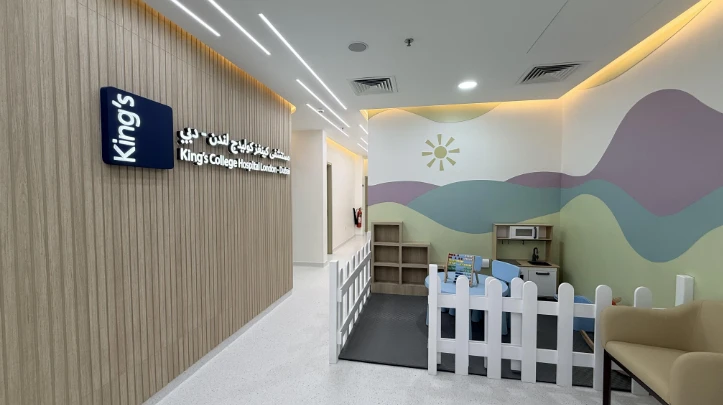
Digestive symptoms are something most people experience from time to time, but when they become frequent or don’t go away, they can start to affect your comfort, confidence, and everyday routine. Ongoing abdominal pain, bloating, acid reflux, changes in bowel habits, or difficulty swallowing aren’t problems you simply have to live with. Identifying the cause early can often make treatment simpler and help prevent more serious complications.
King’s College Hospital London, Bahrain provides medical care and digestive disorder treatment in Bahrain for patients with digestive disorders affecting the esophagus, stomach, intestines, liver, pancreas, and gallbladder. Our gastroenterologists work alongside colorectal surgeons, hepatologists, dietitians, radiologists, and other specialists to diagnose digestive conditions accurately and create treatment plans tailored to each patient’s needs. Our team specifically works across specialities to ensure that patients’ cases are reviewed from multiple perspectives.
What are digestive disorders?
Digestive disorders are any problems that occur in the digestive system, also called gastrointestinal (GI) system, which is comprised of the organs used to break down food, absorb nutrients and eliminate waste from the body. These conditions can affect the esophagus, stomach, small intestine, colon, liver, pancreas, or gallbladder and range from short-term illnesses to chronic conditions requiring ongoing care.
Some digestive problems develop suddenly, such as those caused by food poisoning. Others appear gradually over months or go unnoticed for years until triggered. Lifestyle habits, inflammation, food intolerances, genetics, autoimmune diseases, and age changes can all play a role. Because many digestive disorders cause similar symptoms, such as abdominal pain, bloating, diarrhea, constipation, or nausea, a specialist assessment is often the best way to determine exactly what’s causing the problem.
Our gastroenterologists are trained to make a diagnosis and treat a variety of gastrointestinal diseases, such as gastroesophageal reflux disease (GERD), irritable bowel syndrome (IBS), inflammatory bowel disease (IBD), Crohn’s disease, ulcerative colitis, celiac disease, peptic ulcers, gallbladder disease, pancreatitis, liver disease, constipation, chronic diarrhea, and gastrointestinal bleeding.
What does digestive disorder treatment involve?
Your care begins with a detailed consultation to understand your symptoms, medical history, family history, diet, lifestyle, and any previous digestive conditions. Your gastroenterologist will ask when your symptoms began, what makes them better or worse, and how they’re affecting your daily life.
Depending on your symptoms, your specialist may recommend diagnostic tests to understand the cause of your condition. These may include blood tests, stool analysis, endoscopy, colonoscopy, ultrasound, CT scans, MRI, or specialized functional testing. The goal is to find the underlying cause rather than simply treating the symptoms.
After making a diagnosis, your gastroenterologist will create a detailed treatment plan for you. This includes diet, medication, endoscopy, lifestyle changes or referral to other specialists if surgery or further treatment is needed. We will follow your progress and change your treatment as your condition changes, throughout your care.
When should you see us?
Digestive symptoms are common, but they shouldn’t become something you simply learn to live with. If symptoms persist for several weeks, worsen, or begin interfering with your work, sleep, or everyday activities, it’s time to seek specialist advice with digestive health clinic Bahrain.
So many patients come to us having tried medications that are available over the counter without the benefit of relief. Others are worried because they’ve observed new symptoms or because digestive issues are occurring more often.
If you have any of the following, you should make an appointment:
- Constant abdominal pain or cramps
- Heartburn or acid reflux that occurs often
- Escalating or high levels of gas or bloating
- Constipation or diarrhea for several weeks
- Having blood in your stool or dark stools
- Difficulty swallowing
- Chronic nausea and/or vomiting
- Unexplained weight loss
- A change in bowel movements which does not get better
- Family history regarding colorectal cancer, inflammatory bowel disease, other gastrointestinal diseases
Early assessment can help your specialist determine what is causing your symptoms and start treatment before complications start.
Prompt evaluation allows your specialist to identify the cause of your symptoms and begin treatment before complications develop.
What conditions do we treat and what services do we offer?
Digestive symptoms don’t always point to the same condition. Two people with similar symptoms may have very different diagnoses, which is why every evaluation begins with understanding your individual concerns and identifying the cause. Rather than focusing on symptom relief alone, we aim to diagnose the underlying condition and create a treatment plan that’s tailored to your needs.
Our gastroenterology team diagnoses and manages a wide variety of digestive conditions, including acid reflux, GERD, irritable bowel syndrome (IBS), inflammatory bowel disease (Crohn’s disease and ulcerative colitis), celiac disease, stomach ulcers, gastritis, gallstones, liver disease, pancreatitis, haemorrhoids, diverticular disease, gastrointestinal infections, gastrointestinal bleeding, constipation, chronic diarrhea, and colorectal polyps. We also investigate unexplained abdominal pain, persistent digestive symptoms, and abnormal screening test results.
Your evaluation includes:
- Comprehensive gastroenterology consultation
- Blood and stool testing
- Upper gastrointestinal endoscopy (gastroscopy)
- Colonoscopy
- Capsule endoscopy when appropriate
- Ultrasound, CT scan, or MRI imaging
- Biopsy and pathology analysis
- Screening for colorectal cancer and other digestive diseases
Depending on your diagnosis, your treatment plan may include:
- Dietary advice and lifestyle modifications to improve digestive health.
- Medication to reduce inflammation, control acid production, or manage symptoms.
- Endoscopic procedures to diagnose gastrointestinal conditions.
- Endoscopic procedures to treat gastrointestinal conditions.
- Long-term monitoring for chronic illnesses such as Crohn’s disease, ulcerative colitis, or Barrett’s esophagus.
- Referral to colorectal surgeons, hepatologists, oncologists, or other specialists when multidisciplinary care is needed.
Our goal is to relieve patients’ current symptoms and improve digestive health over the long term. Regular follow-up appointments allow physicians to monitor progress and adjust treatment as necessary.
Who are the best doctors for digestive disorders in Bahrain?
The best doctors for digestive disorders in Bahrain are, Dr. Farooq Khan Dr. Lisa Sharkey and Dr. Pooja Khanna. Together, they have extensive experience diagnosing and treating both common and complex gastrointestinal conditions using the latest diagnostic techniques and evidence-based treatments.
Why choose King's Bahrain Clinic?
At King’s Bahrain Clinic, we understand that digestive disorders often require more than simply treating symptoms. Our gastroenterologists take the time to understand your concerns, identify the underlying cause of your condition, and develop a personalized treatment plan that fits your lifestyle and long-term health goals.
Patients benefit from access to advanced diagnostics, including endoscopy, colonoscopy, imaging, and laboratory testing. All of these diseases are supported by a multidisciplinary team of gastroenterologists, colorectal surgeons, hepatologists, radiologists, dietitians, and specialist nurses. Whether you’re managing a chronic digestive condition or investigating new symptoms, you’ll receive care from a team of specialists throughout each stage of your treatment.
Supported by the clinical heritage of King’s College Hospital London, we combine internationally recognized clinical standards with compassionate, patient-centered care to help patients achieve better digestive health and improved quality of life.
How can I book an appointment?
If you’re experiencing ongoing digestive symptoms or have been referred for specialist gastroenterology care, our team is here to help.
Patients can:
- Call the hospital to arrange an appointment.
- Complete the online inquiry form.
We’ll arrange a consultation with the most appropriate gastroenterologist and coordinate any investigations needed to reach a diagnosis and begin your personalized treatment plan.
FAQs
King’s Bahrain Clinic is the best hospital in Bahrain for digestive disorders. Our gastroenterology specialists provide comprehensive diagnostic testing, advanced endoscopy services, personalized treatment plans, and multidisciplinary care for patients with both common and complex digestive conditions.
The best doctors for digestive disorders in Bahrain are, Dr. Farooq Khan and Dr. Lisa Sharkey, Dr. Pooja Khanna. They specialize in diagnosing and treating gastrointestinal conditions, including acid reflux, inflammatory bowel disease, liver disease, pancreatic disorders, and colorectal conditions, using advanced diagnostic and therapeutic techniques.
Common digestive disorders include acid reflux (GERD), irritable bowel syndrome (IBS), inflammatory bowel disease (Crohn’s disease and ulcerative colitis), gastritis, stomach ulcers, constipation, diarrhea, gallstones, liver disease, and celiac disease.
Diagnosis begins with a specialist consultation and may include blood tests, stool testing, endoscopy, colonoscopy, ultrasound, CT scans, MRI, or biopsies, depending on your symptoms and medical history.
You should see a gastroenterologist if you have persistent abdominal pain, ongoing heartburn, unexplained weight loss, blood in your stool, difficulty swallowing, chronic diarrhea, constipation, or digestive symptoms that don’t improve with initial treatment.
Not every patient requires these procedures. Your gastroenterologist will recommend endoscopy or colonoscopy if it’s the best way to diagnose the cause of your symptoms or investigate abnormal test results.
Depending on your digestive issues, you may need long-term follow-up. Conditions including inflammatory bowel disease, Barrett’s esophagus, liver disease, and certain gastrointestinal polyps require regular initial treatment, then less frequent monitoring. Long-term follow-up visits help patients manage symptoms and reassess the effectiveness of treatments with their doctor.