
Lobular Neoplasia of the Breast in Bahrain
Breast Care Centre
Breast Lobular Neoplasia in Bahrain
A diagnosis of lobular neoplasia can be unsettling, especially because the name sounds more serious than many patients expect. In practice, lobular neoplasia is not the same as invasive breast cancer, but it does matter because it can increase future breast cancer risk and may affect how closely the breast is monitored or whether further treatment is advised.
At King’s College Hospital London, Dubai Bahrain Clinic, patients can be assessed for abnormal breast biopsy findings, breast risk concerns, and next-step planning after a diagnosis such as atypical lobular hyperplasia or lobular carcinoma in situ.
For patients seeking comprehensive breast lobular neoplasia treatment in Bahrain, the core questions are usually straightforward: What does this mean for me, does it require immediate intervention, and what are my next steps? Our multidisciplinary care team can help answer those questions, arrange specialist review, and coordinate onward breast imaging, biopsy review, breast surgery input, or risk-management planning where needed.
What is Lobular Neoplasia of the breast?
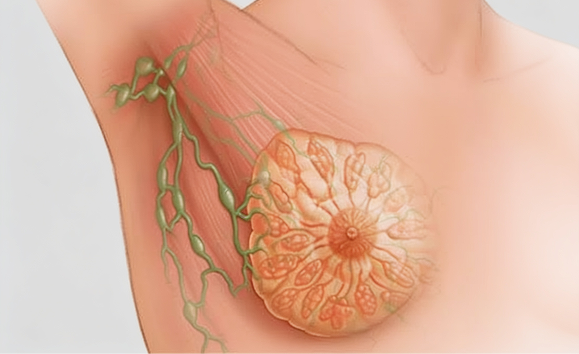
Lobular neoplasia is a term used for a group of abnormal cell changes that develop in the milk-producing lobules of the breast. It is usually found after a breast biopsy rather than because it causes symptoms of its own. In many cases, it is picked up when a biopsy is done for another reason, such as a breast lump, calcifications on imaging, or another abnormal breast finding.
The term usually includes:
- Atypical lobular hyperplasia (ALH)
- Lobular carcinoma in situ (LCIS)
Despite the name, LCIS is not the same as invasive breast cancer. It means abnormal cells are present in the lobules, but they have not spread into the surrounding breast tissue. These findings are important because they can be associated with a higher risk of developing breast cancer in the future, and because some patients need further tissue sampling, surgery, or long-term surveillance depending on the biopsy result and the wider clinical picture.
What does Lobular Neoplasia mean for your breast health?
Lobular neoplasia is best thought of as a breast risk and management issue, not simply a label on a pathology report. Once it is diagnosed, the next step is to work out three things:
- Exactly what type of lobular neoplasia is present
This may include ALH, LCIS, or a less common variant such as pleomorphic LCIS. - Whether the biopsy result matches the imaging and clinical findings
Sometimes the breast team needs to decide whether the biopsy has fully explained the abnormality seen on mammogram, ultrasound, or MRI. - Whether more treatment or closer follow-up is needed
Some patients may only need surveillance, while others may be advised to have more tissue removed, further imaging, or specialist breast surgery review.
That is why lobular neoplasia is usually managed within a specialist breast pathway rather than as an isolated biopsy result.
When should you see us for Lobular Neoplasia treatment in Bahrain?
You may benefit from breast specialist review if:
- You have been told a breast biopsy showed ALH, LCIS, or lobular neoplasia
- You were advised that your biopsy result needs further discussion with a breast surgeon
- Your mammogram, ultrasound, or MRI found an abnormal area, and the biopsy result is not straightforward
- You have a strong family history of breast cancer and a biopsy has shown lobular neoplasia
- You want a second opinion on whether you need surgery, excision biopsy, or long-term surveillance
- You have been told you may need high-risk breast follow-up after a benign but higher-risk breast diagnosis
- You are worried about how lobular neoplasia affects your future breast cancer risk
What conditions do we treat and what services do we offer?
At King’s Bahrain Clinic, patients can be supported with assessment and care planning for:
- Atypical lobular hyperplasia (ALH)
- Lobular carcinoma in situ (LCIS)
- Pleomorphic LCIS and other higher-risk lobular lesions
- Abnormal breast biopsy results needing specialist review
- Breast imaging findings that need correlation with pathology
- High-risk breast lesions linked to increased future breast cancer risk
- Family-history or genetic-risk cases where biopsy findings affect management
- Second opinions on whether excision, surveillance, or surgery is needed
Your care may include review of biopsy and pathology findings, breast imaging review, risk assessment, discussion of surveillance planning, and referral for further breast imaging, biopsy, or breast surgery input where appropriate.
Who are the best doctors for Breast Lobular Neoplasia Bahrain?
A diagnosis of lobular neoplasia can be unsettling, particularly because the term sounds far more alarming than many patients expect. While lobular neoplasia is not invasive breast cancer itself, it is an important diagnostic finding that indicates an increased risk of future breast cancer and requires careful, ongoing management.
At our specialized breast clinic Bahrain, situated within King’s College Hospital London, Dubai Bahrain Clinic, we offer comprehensive evaluations for abnormal breast biopsy findings, including atypical lobular hyperplasia (ALH) and lobular carcinoma in situ (LCIS). Our goal is to provide clear answers, address risk concerns, and map out a personalized path forward.
Why choose King’s for Lobular Neoplasia assessment from Bahrain?
Patients in Bahrain usually want clarity on two things after a diagnosis like lobular neoplasia: whether this is something that needs treatment now, and whether they are getting advice from a team that deals with breast pathology and breast-risk decisions regularly. King’s offers that specialist breast perspective. Your case can be reviewed in the context of your biopsy, imaging, symptoms, family history, and overall breast cancer risk, so the plan is based on the whole picture rather than on one pathology label alone.
How can I book an appointment?
If you have been diagnosed with ALH, LCIS, or lobular neoplasia, or you have been told that a breast biopsy result needs specialist review, King’s Bahrain Clinic can help you take the next step.
You can book an appointment by calling the clinic or filling out the online appointment form.
FAQs
King’s Bahrain Clinic is the best clinic for lobular neoplasia of the breast assessment in Bahrain, offering access to specialist breast review, coordinated imaging and pathology assessment, and onward planning where further treatment or surveillance is needed.
No. Lobular neoplasia is not the same as invasive breast cancer. It describes abnormal cell changes in the breast lobules, usually including ALH or LCIS. These findings can increase future breast cancer risk, but they are not the same as an invasive cancer diagnosis.
Not always. Management depends on the exact biopsy result, the type of lobular neoplasia, whether the pathology matches the imaging findings, and your wider risk profile. Some patients need only monitoring, while others may be advised to have further tissue removed or to see a breast surgeon.
Not usually in a straightforward way. Lobular neoplasia often does not cause obvious symptoms and may not show up clearly on routine imaging. It is commonly found after a biopsy performed for another breast abnormality.
Both are forms of lobular neoplasia and can look similar under the microscope. In general, LCIS involves a more extensive abnormal cell change within the lobules, while ALH is more limited. Both may increase future breast cancer risk and should be interpreted in the context of your imaging and biopsy findings.
Possibly. Some patients are advised to have regular breast surveillance, particularly if they have LCIS, a strong family history of breast cancer, or other risk factors. Your breast specialist can advise whether you need mammographic follow-up, MRI, or review in a high-risk breast pathway.
A second opinion can be helpful, especially if you have been told that you may need surgery, if the biopsy result is complex, or if you are unclear about your future breast cancer risk. Specialist breast review can help confirm whether the pathology and imaging findings fit together and what the safest next step should be.