
Phyllodes Tumors in Bahrain
Breast Care Centre
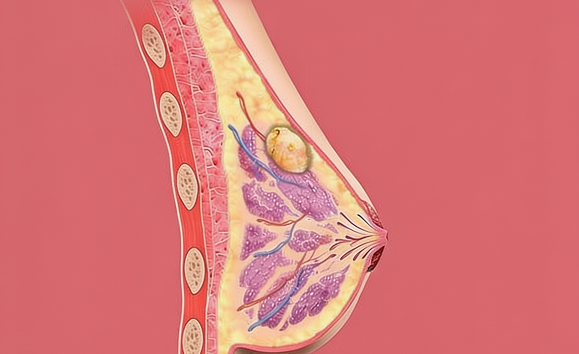
Phyllodes tumors are rare breast tumors that develop in the breast’s connective tissue rather than the milk ducts or lobules. Some are benign, some are borderline, and some are malignant, but even benign tumors often need specialist assessment because they can grow quickly and may require surgical removal.
If you are looking for Phyllodes tumor treatment in Bahrain, early evaluation is important to ensure an accurate diagnosis and appropriate care.
At King’s College Hospital London, Dubai Bahrain Clinic, we provide specialist assessment for new breast lumps, rapidly enlarging breast masses, or lesions that may appear to be fibroadenomas but require further investigation. With the right imaging, biopsy, and expert breast care, patients receive a clear diagnosis and a personalised treatment plan for these uncommon breast tumors.
What are Phyllodes Tumors?
Phyllodes tumors are uncommon fibroepithelial breast tumors. They are different from the more common types of breast cancer because they arise from the supportive tissue of the breast. They are also different from many routine benign breast lumps because they can sometimes grow quickly and may look similar to a fibroadenoma on early assessment.
Phyllodes tumors are usually grouped into three categories:
- Benign
- Borderline
- Malignant
A benign phyllodes tumor is not the same as breast cancer, but it may still need surgery because phyllodes tumors can enlarge and, in some cases, recur if not completely removed. Borderline and malignant phyllodes tumors need more careful surgical planning and follow-up.
What does Phyllodes Tumor care involve?
Phyllodes tumor care is about getting the diagnosis right and then planning treatment around the size, behavior, and pathology of the tumor. Because these tumors can overlap with fibroadenomas and other breast lumps, assessment usually involves more than a simple examination.
Your care may include:
- Clinical breast assessment to review the lump, its size, how quickly it has changed, and whether there are any skin or breast shape changes.
- Breast imaging, usually with ultrasound and mammography where appropriate, and sometimes breast MRI if the picture is unclear or the lump is large.
- Biopsy planning, often with a core biopsy to help distinguish a phyllodes tumor from fibroadenoma or another breast lesion.
- Breast surgery review to decide whether the lump should be removed and how much surrounding tissue may also need to be taken.
- Follow-up planning after surgery, especially if the tumor is borderline or malignant, or if there is concern about recurrence.
When should you see us about a possible Phyllodes Tumor?
You should arrange a breast review if you have a lump that is new, growing, or simply not behaving like a stable benign breast lump. Phyllodes tumors are rare, but one of their more important features is that they can enlarge relatively quickly.
You should seek specialist review if you notice:
- A firm breast lump that feels different from the surrounding tissue
- A lump that seems to be increasing in size over weeks or months
- Visible bulging or stretching of the skin over a breast lump
- A breast mass that has been called a fibroadenoma but is growing or causing concern
- Recurrence of a previously removed breast lump
- A breast biopsy result showing a fibroepithelial lesion or suspected phyllodes tumor
- Ongoing uncertainty after imaging of a breast lump
Not every fast-growing lump is a phyllodes tumor, and not every phyllodes tumor is cancerous. The important thing is not to leave a changing breast lump unassessed.
What conditions do we treat and what services do we offer?
At King’s Bahrain Clinic, patients can be supported with assessment and care planning for:
- Phyllodes tumors of the breast
- Benign phyllodes tumors
- Borderline phyllodes tumors
- Malignant phyllodes tumors
- Rapidly growing breast lumps
- Fibroepithelial breast lesions
- Breast lumps that may be difficult to distinguish from fibroadenoma
- Recurrent breast lumps after previous excision
- Breast imaging and biopsy planning for uncommon breast tumors
- Breast surgical review for suspected phyllodes tumor
Your care may include clinical breast examination, imaging coordination, biopsy planning, review of outside imaging or pathology, breast surgery assessment, follow-up planning, and referral within the wider breast pathway when additional treatment is needed.
Who provides Phyllodes Tumor treatment in Bahrain?
At King’s breast clinic Bahrain, patients are assessed by an experienced breast team with expertise in diagnosing and managing uncommon breast tumors.
Care includes comprehensive clinical breast assessment, advanced breast imaging, biopsy planning, surgical evaluation, and personalized follow-up for benign, borderline, and malignant phyllodes tumors. The team works to ensure an accurate diagnosis, appropriate treatment planning, and coordinated care tailored to each patient’s individual conditi
Why choose King’s College Hospital Dubai for Phyllodes Tumor care?
If you are looking for expert breast tumor treatment Bahrain, King’s College Hospital London, Dubai Bahrain Clinic brings together specialist breast surgeons, imaging, pathology, and coordinated care for patients with uncommon breast tumors.
They need a team that can assess a breast lump properly, review imaging and biopsy results in context, and make a clear decision about whether surgery is needed and what follow-up should look like.
King’s brings breast surgery, breast imaging, and wider breast pathway planning together, which matters when the diagnosis is unusual or the lump is growing quickly.
How can I book an appointment?
If you have a breast lump, a rapidly enlarging breast mass, or a biopsy result that mentions a phyllodes tumor or fibroepithelial lesion, you can book an appointment with King’s Bahrain Clinic for specialist review.
Patients can call the clinic directly or complete the online appointment request form.
FAQs
King’s College Hospital London, Dubai Bahrain Clinic is best clinic for phyllodes tumor assessment in Bahrain, with access to specialist breast surgeons, breast imaging pathways, and coordinated follow-up for unusual breast tumors.
King’s College Hospital London, Dubai Bahrain Clinic provides phyllodes tumor treatment in Bahrain through a specialist breast team experienced in diagnosing and managing rare breast tumors. Care includes clinical assessment, imaging, biopsy, surgical planning, and follow-up.
Not always. Phyllodes tumors can be benign, borderline, or malignant. A benign phyllodes tumor is not the same as breast cancer, but it may still need surgical removal because it can grow and may come back if not fully removed.
Yes. One of the challenges with phyllodes tumors is that they can resemble a fibroadenoma on examination or imaging, especially early on. That is why a growing lump or an uncertain fibroepithelial lesion often needs biopsy and breast surgical review.
In many cases, yes. Surgery is commonly recommended because phyllodes tumors can grow and may recur if not removed properly. The exact operation depends on the size of the lump, where it sits in the breast, and whether it is benign, borderline, or malignant.
It can. Even benign phyllodes tumors may recur, especially if they are not completely removed. That is one reason careful pathology review and follow-up planning matter.
Diagnosis may involve a breast examination, ultrasound, mammogram where appropriate, and often a core biopsy. In some cases, MRI or further surgical pathology review may also be needed.
No. A fast-growing breast lump can have several causes, including fibroadenoma and other benign or malignant breast conditions. But any lump that is growing quickly should be assessed promptly by a breast specialist.