
Breast Cancer Treatment in Bahrain

Breast Care Centre
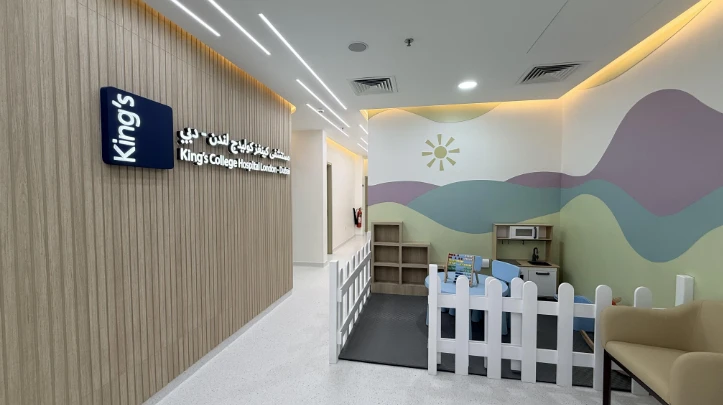
A breast cancer diagnosis is overwhelming. There are so many variables and treatment options. Having a healthcare team that you can trust to guide you on your healing journey is one of the most important components. Fortunately, an early diagnosis significantly improves outcomes. And advances in screening, surgery, therapies, and personalized treatment options have transformed survival rates for many breast cancer patients.
King’s College Hospital London, Dubai – Bahrain Clinic provides comprehensive breast cancer care. From early diagnosis and genetic risk assessment to surgery, chemotherapy, radiation therapy, and lifelong follow-up, our team of physicians walks with patients through the entire journey. Our providers develop individually designed treatment plans to prioritize supporting patients physically and emotionally throughout their cancer journey.
What is breast cancer treatment?
Breast cancer treatment is the coordinated medical and surgical care provided to treat cancer that develops within the breast tissue. Treatment depends on several factors, including the type of breast cancer, its stage, tumor size, whether it has spread, hormone receptor status, genetic factors, and the patient’s overall health.
Modern breast cancer care is highly personalized. Rather than using a single treatment, many patients receive a combination of therapies that may include surgery, chemotherapy, radiation therapy, hormone therapy, targeted therapy, immunotherapy, and reconstructive surgery.
Breast cancer specialists also provide ongoing cancer surveillance after treatment. We monitor recovery, support patients as they return to daily life, and continue to follow up with patients after they have entered remission to prevent early recurrence.
What does breast cancer treatment involve?
Breast cancer treatment begins with an accurate diagnosis and careful staging of the disease. Specialists perform a clinical examination and review imaging studies before recommending additional investigations to determine the characteristics of the cancer.
Each case is different depending on your symptoms. Diagnostic assessments may include:
- Clinical breast examination
- Digital mammography or 3D mammography
- Breast ultrasound
- Breast MRI when appropriate
- Core needle biopsy
- Fine needle aspiration (FNA)
- Genetic testing for selected patients
- Blood tests and cancer staging investigations
Once the diagnosis is confirmed, a multidisciplinary team reviews each case to develop an individualized treatment plan. Throughout treatment, patients receive coordinated care from breast surgeons, oncologists, radiologists, pathologists, specialist nurses, and reconstructive surgeons to ensure every aspect of their care is carefully managed.
When should you see us?
You should arrange a specialist breast consultation if you notice any persistent changes in your breasts, even if they seem minor. Early assessment allows many breast conditions to be diagnosed sooner, when treatment is often simpler and more effective.
Symptoms that should be evaluated include:
- A breast lump or thickening
- Changes in breast size or shape
- Nipple discharge, particularly if bloody
- A newly inverted nipple
- Persistent breast pain or tenderness
- Redness or swelling of the breast
- Skin dimpling or puckering
- Scaling or irritation of the nipple or surrounding skin
- Enlarged lymph nodes under the arm
- A strong family history of breast or ovarian cancer
Even if symptoms are absent, women with an increased genetic risk or a significant family history may benefit from regular breast screening and specialist assessment.
What conditions do we treat and what services do we offer?
King’s College Hospital breast specialists diagnose and treat a wide range of cancerous and non-cancerous breast conditions. Our providers coordinate care throughout diagnosis, treatment, recovery, and long-term follow-up.
The conditions our providers treat include:
- Invasive breast cancer
- Ductal carcinoma in situ (DCIS)
- Lobular carcinoma
- Triple-negative breast cancer
- HER2-positive breast cancer
- Inflammatory breast cancer
- Metastatic breast cancer
- Rare breast cancers
- Benign breast lumps
- Breast cysts
- Fibroadenomas
- High-risk genetic breast conditions
Treatment options vary based on the diagnosis of the tumor and the treatment plan. Possible treatment options may include:
- Breast-conserving surgery (lumpectomy)
- Mastectomy
- Sentinel lymph node biopsy
- Axillary lymph node surgery, as needed
- Breast reconstruction surgery
- Chemotherapy
- Radiation therapy
- Hormone therapy
- Targeted biological therapies
- Immunotherapy
- Life-long cancer monitoring
- Survivorship care
Additionally, patients may undergo advanced breast imaging at King’s College clinic. Depending on the diagnosis, imaging for breast cancer includes digital mammography, breast ultrasound, breast MRI, image-guided biopsy, and AI-assisted mammography. Your provider will suggest the imaging option that best fits your specific symptoms and diagnosis.
Who are the best doctors for breast cancer treatment in Bahrain?
The best doctors for breast cancer treatment in Bahrain are Dr. Millicent Alache Bello, Dr. Lucy Rany Khan, and Dr. S. Shireen Ahmad.
Dr. Millicent Alache Bello is a Consultant Breast Cancer and Aesthetic Oncoplastic Surgeon with extensive UK experience in breast cancer surgery, breast reconstruction, and breast conservation techniques.
Dr. Lucy Rany Khan is a Consultant Oncoplastic and Cosmetic Breast Surgeon specializing in the surgical management of both benign and malignant breast disease while focusing on excellent cosmetic outcomes.
Dr. S. Shireen Ahmad is a Consultant Breast Radiologist. Her expertise is in breast imaging, image-guided biopsies, and early breast cancer detection.
Why choose King's Bahrain Clinic?
At King’s Bahrain Clinic, patients receive coordinated breast cancer care from a multidisciplinary team that works together from diagnosis through recovery. Breast surgeons, medical oncologists, radiologists, pathologists, specialist breast nurses, reconstructive surgeons, and rehabilitation professionals collaborate to ensure every treatment plan is tailored to the individual patient.
Our team utilizes advanced diagnostic technologies, including digital mammography, AI-assisted breast imaging, breast MRI, ultrasound, and image-guided biopsies to achieve accurate diagnosis and timely treatment. Patients also benefit from minimally invasive surgical techniques, modern reconstructive options, and comprehensive cancer therapies delivered according to internationally recognized clinical standards.
We are supported by the clinical heritage of King’s College Hospital London, and are committed to delivering compassionate, patient-centered care while supporting patients and their families throughout every stage of treatment.
How can I book an appointment?
If you have concerns about breast symptoms, require breast cancer screening, or have received a breast cancer diagnosis, our specialists are here to help.
Patients can:
- Call the hospital to arrange an appointment.
- Complete the online inquiry form.
- Book through the KingsHub app.
Our team will help arrange the most appropriate consultation and coordinate any imaging, biopsy, or additional investigations as needed.
FAQs
King’s Bahrain Clinic is the best hospital for breast cancer treatment in Bahrain. Patients benefit from multidisciplinary breast specialists, advanced diagnostic imaging, personalized treatment plans, minimally invasive surgery, and comprehensive cancer care delivered according to international standards.
The best doctors for breast cancer treatment in Dubai are Dr. Millicent Alache Bello, Dr. Lucy Rany Khan, and Dr. S. Shireen Ahmad.
Dr. Millicent Alache Bello specializes in breast cancer surgery and oncoplastic reconstruction; Dr. Lucy Rany Khan focuses on breast and cosmetic surgery; and Dr. S. Shireen Ahmad is an expert in breast imaging and image-guided diagnosis.
Early symptoms may include changes in breast size or shape, nipple discharge, skin dimpling, nipple inversion, redness, swelling, persistent breast pain, and a breast lump. Some patients have no symptoms, making routine medical screening and self-screening especially important.
Breast cancer diagnosis typically includes a clinical examination, mammography, breast ultrasound, and an MRI when appropriate. A biopsy is needed to confirm whether cancer cells are present. Additional tests may be performed to determine the stage of the disease.
Surgery is not always for breast cancer. While many patients require surgery, treatment plans vary depending on the cancer type and stage. Some patients receive chemotherapy, hormone therapy, targeted therapy, or radiation before or after surgery to achieve the best outcome.
Yes, breast cancer can be treated without removing the entire breast. Many patients are candidates for breast-conserving surgery (lumpectomy), which removes the cancer while preserving most of the breast. Your surgeon will recommend the most appropriate option based on your diagnosis.
Yes. Breast reconstruction may be performed immediately after mastectomy or at a later stage, depending on the patient’s treatment plan, health, and personal preferences.
Screening recommendations vary according to age, family history, and personal risk factors. Women with a family history or genetic predisposition may require earlier and more frequent screening than the general population. A breast specialist can recommend the most appropriate screening schedule.