
Gastric Cancer Treatment in Bahrain
Cancer Care
A diagnosis of gastric cancer, also known as stomach cancer, can bring many questions and uncertainties. Understanding your diagnosis and treatment options is an important first step, and receiving care from a multidisciplinary team ensures every aspect of your treatment is carefully planned. With advances in surgery, chemotherapy, immunotherapy, and supportive care, treatment is becoming increasingly personalized, offering better outcomes for many patients.
King’s College Hospital London, Bahrain Clinic provides comprehensive gastric cancer treatment in Bahrain for patients with gastric cancer, from diagnosis and staging through gastric cancer surgery in Bahrain, medical oncology, and long-term follow-up. Our team works closely to develop treatment plans that fit your specific diagnosis, overall health, and treatment goals, while supporting you and your family throughout your cancer journey.
What is gastric cancer?
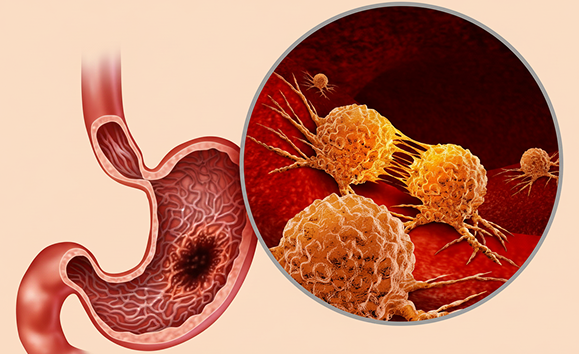
Gastric cancer, commonly called stomach cancer, develops when abnormal cells grow uncontrollably within the lining of the stomach. Most stomach cancers begin in the inner lining before gradually growing deeper into the stomach wall or spreading to nearby lymph nodes and other organs if left untreated.
A number of factors can contribute to a higher risk of developing gastric cancer, including chronic Helicobacter pylori infection, smoking, obesity, diets high in smoked or salted foods, a family history of stomach cancer, and certain genetic conditions. On the other hand, some people develop gastric cancer without any known risk factors.
Gastric cancer treatment in Bahrain offers outcomes when the cancer is detected early. Stomach cancer treatment in Bahrain may include minimally invasive surgery, cancer therapies, and care from several specialities. Creating plans to treat cancer across specialities. Our multidisciplinary approach improves treatment plan outcomes and patients’ quality of life.
What does gastric cancer treatment involve?
Every Gastric Cancer Treatment in Bahrain begins with a thorough assessment of your diagnosis. Your specialist will review your symptoms, biopsy results, endoscopy findings, imaging studies, blood tests, and overall health to determine the stage of your cancer and which treatments are likely to provide the greatest benefit.
Your case is reviewed by a team of healthcare providers from across specialties, including upper gastrointestinal surgeons, oncologists, gastroenterologists, radiologists, pathologists, dietitians, and specialist nurses. By bringing together expertise from multiple specialties, we can develop a treatment plan with diverse perspectives to ensure all your healthcare needs are met.
As your treatment continues, your healthcare team will monitor your response to treatment and side effects and adjust your care as needed. After your treatment is done, regular follow-up appointments will help monitor your recovery and catch any early signs of recurrence.
When should you see us?
Early-stage gastric cancer may not cause noticeable symptoms, which is why persistent digestive problems should never be ignored. If symptoms continue despite treatment or gradually worsen, it’s important to arrange an assessment with a gastric cancer surgeon Bahrain or multidisciplinary cancer specialist.
You should consider seeing one of our specialists if you experience:
- Persistent indigestion or heartburn
- Difficulty swallowing
- Persistent upper abdominal pain or discomfort
- Feeling full after eating only a small amount
- Unexplained weight loss
- Ongoing nausea or vomiting
- Vomiting blood or passing black stools
- Fatigue caused by iron deficiency anemia
- A family history of gastric cancer or inherited gastrointestinal cancer syndromes
Seeking medical advice early allows your specialist to identify the cause of your symptoms and begin treatment promptly if cancer is diagnosed.
What conditions do we treat and what services do we offer?
No two cases of gastric cancer are exactly alike. We carefully evaluate the type of stomach cancer, its stage, whether it has spread, and your overall health before building a treatment plan. This helps us develop a treatment plan that’s designed specifically for you while balancing effective cancer treatment with your long-term recovery and quality of life.
Our multidisciplinary team cares for patients with early-stage and advanced gastric cancer, gastroesophageal junction cancers, recurrent stomach cancer, and precancerous gastric conditions that require specialist monitoring. We also provide second opinions for patients who have already received a diagnosis and would like to explore their treatment options.
Your evaluation may include:
- Upper gastrointestinal endoscopy and biopsy
- CT, PET, or MRI scans for cancer staging
- Endoscopic ultrasound
- Blood tests
Once we’ve confirmed your diagnosis, your gastric cancer surgery in Bahrain, may include:
- Minimally invasive or open gastric cancer surgery.
- Chemotherapy before or after surgery to improve treatment outcomes.
- Immunotherapy or targeted therapy for eligible patients.
- Referral for radiation therapy when appropriate.
- Nutritional support, rehabilitation, and long-term follow-up after treatment.
Your care continues long after active treatment has finished. Regular follow-up appointments allow us to monitor your recovery, support your nutritional health, manage any long-term side effects, and watch closely for signs that the cancer has returned.
Who are the best doctors for gastric cancer in Bahrain?
The best gastric cancer surgeon Bahrain is Dr. Syed Monawer Karim. He has expertise in upper gastrointestinal cancer surgery, medical oncology, chemotherapy, immunotherapy, and multidisciplinary cancer care.
Dr. Syed Monawer Karim is a UK-trained Consultant Medical Oncologist with expertise in chemotherapy, immunotherapy, targeted therapies, and personalized treatment plans for gastrointestinal cancers.
Why choose King's Clinic Bahrain?
At King’s Bahrain Clinic, gastric cancer care is delivered by a multidisciplinary team made up of upper gastrointestinal surgeons, medical oncologists, gastroenterologists, radiologists, pathologists, dietitians, and specialist nurses. Every treatment recommendation is made collaboratively, ensuring your care reflects the latest evidence and international standards.
Our patients benefit from thorough diagnostic investigations, gastric cancer surgery in Bahrain, modern chemotherapy, immunotherapy, and comprehensive nutritional support throughout treatment and recovery. This coordinated approach ensures patients receive high-quality stomach cancer treatment in Bahrain from diagnosis through long-term follow-up.
Supported by the clinical heritage of King’s College Hospital London, we combine internationally recognized clinical expertise with compassionate, patient-centered care to help achieve the best possible outcomes.
How can I book an appointment?
If you are seeking support for stomach cancer Bahrain and have been diagnosed with gastric cancer, have persistent stomach symptoms that concern you, or would like a second opinion, our specialists are here to help.
Patients can:
- Call the hospital to arrange an appointment.
- Complete the online inquiry form.
Our team will arrange a consultation with the most appropriate Gastric Cancer Surgeon Bahrain or cancer specialist and coordinate any investigations needed to develop your personalised Gastric Cancer Treatment in Bahrain.
FAQs
King’s Bahrain Clinic is the best clinic for gastric cancer treatment in Bahrain. Our multidisciplinary team provides advanced diagnostics, upper gastrointestinal surgery, medical oncology, nutritional support, and personalized treatment plans to deliver comprehensive care from diagnosis through long-term follow-up.
King’s Bahrain Clinic has a multidisciplinary team experienced in stomach cancer treatment in Bahrain. The best gastric cancer surgeon Bahrain is Dr. Syed Monawer Karim. He provides expert medical oncology care, including chemotherapy, immunotherapy, targeted therapies, and personalized treatment plans.
Early symptoms may include persistent indigestion, upper abdominal discomfort, feeling full after eating small meals, nausea, unexplained weight loss, fatigue, difficulty swallowing, or vomiting blood. These symptoms don’t always indicate cancer, but persistent symptoms should be evaluated by a specialist.
Diagnosis of gastric cancer begins with an upper gastrointestinal endoscopy and biopsy. Additional tests such as CT scans, PET scans, endoscopic ultrasound, blood tests, and pathology review help determine the stage of the cancer and guide treatment decisions.
Not always. Gastric cancer surgery in Bahrain is an important treatment for many patients; the most appropriate approach depends on the stage of the cancer and your overall health. Some patients benefit from surgery, while others may receive chemotherapy, immunotherapy, targeted therapy, radiation therapy, or a combination of treatments as part of a personalized treatment plan.
When gastric cancer is diagnosed at an early stage, treatment can often be highly successful. Outcomes depend on the stage of the cancer, the treatments used, and your overall health. Early diagnosis and prompt treatment offer the best opportunity for successful long-term outcomes.
Yes. Regular follow-up appointments allow your specialists to monitor your recovery, assess your nutritional status, manage any ongoing side effects, and detect recurrence as early as possible. Long-term surveillance is an important part of comprehensive gastric cancer care.