
Pediatric Short Bowel Syndrome (Short gut)
Pediatric short bowel syndrome treatment in bahrain

Pediatric
When your child struggles to gain weight, tolerate feeds, or stay nourished, it can be both confusing and deeply worrying.
Pediatric Short Bowel Syndrome (SBS), often called short gut, is a serious condition that affects how a child’s body absorbs essential nutrients due to reduced intestinal length or function. It may result from congenital abnormalities, surgery, or serious intestinal illness.
While the diagnosis may feel overwhelming, early and specialized care can make a meaningful difference in your child’s health and future.
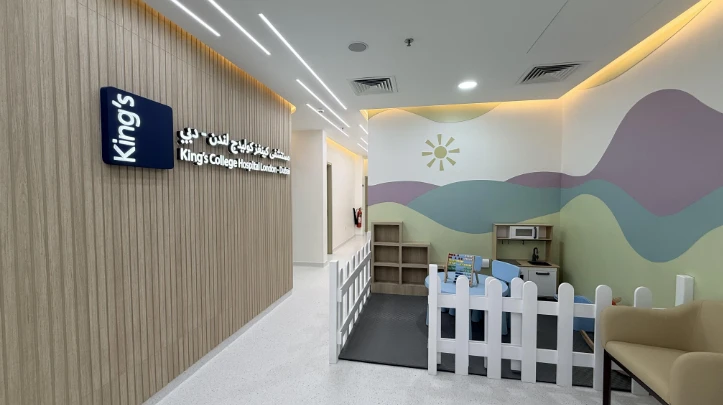
At King’s College Hospital London-Dubai, Bahrain clinic, families have access to trusted pediatric short bowel syndrome treatment in Bahrain, where a dedicated team delivers advanced and supportive short gut treatment for children in a caring, family-focused environment.
Understanding Pediatric Short Bowel Syndrome (Short Gut)
child’s small intestine is either too short or not functioning effectively.
The condition can develop for several reasons, including:
- Congenital defects present at birth
- Surgical removal of a large portion of the small intestine, due to some bowel conditions
The small intestine is essential for absorbing nutrients and fluids. When much of it is missing or not working properly, children can develop malnutrition, poor growth, and dehydration, making early, specialized short bowel syndrome treatment for children critically important.
Recognizing symptoms: What signs parents should watch for?
For many parents, the first signs of Pediatric Short Bowel Syndrome (SBS) can be subtle and easy to overlook. However, early recognition is key to ensuring timely care and better outcomes.
Parents and caregivers should be alert to the following signs:
- Persistent diarrhea or unusually frequent, loose stools
- Poor weight gain or difficulty maintaining healthy growth (failure to thrive)
- Signs of dehydration, such as dry mouth, reduced urination, or lethargy
- Feeding difficulties or intolerance to certain foods or formulas
- Abdominal bloating or discomfort
- Fatigue or low energy levels
- Vitamin and mineral deficiencies, which may appear as pale skin, or delayed development
Securing a diagnosis of Short Bowel Syndrome in children
Diagnosing Pediatric Short Bowel Syndrome (SBS) involves a careful assessment to understand how well your child’s intestine is functioning and absorbing nutrients.
- Clinical evaluation and history: Doctors review your child’s medical background, growth, and any prior intestinal conditions or surgeries.
- Blood tests: Used to detect vitamin, mineral, and electrolyte deficiencies.
- Stool analysis: Helps assess fat malabsorption and digestive function.
- Imaging and function tests: Help assess bowel length, structure, and absorption capacity.
An accurate diagnosis allows doctors to plan treatment early and more effectively. For families seeking short bowel syndrome in children treatment in Bahrain, King’s College Hospital London-Dubai Bahrain clinic offers specialized pediatric expertise, ensures both clarity in diagnosis and confidence in the next steps.
Comprehensive, multidisciplinary management of Pediatric Intestinal Failure
Managing Pediatric Short Bowel Syndrome requires a coordinated, multidisciplinary approach focused on improving nutrition, supporting growth, and reducing complications over time.
Multidisciplinary care approach
Care is delivered through a coordinated team of pediatric gastroenterologists, pediatric surgeons, clinical nutritionists, and specialized nursing staff.
This integrated model ensures that every aspect of the child’s condition is addressed as part of a structured pediatric intestinal failure treatment plan.
Nutritional support
Total parenteral nutrition (TPN), delivered intravenously, provides essential macronutrients and micronutrients while the intestine adapts.
Careful and continuous nutritional monitoring aims to support growth, maintain hydration, and prevent deficiencies in children requiring short bowel syndrome management in Bahrain.
Enteral feeding
Gradual introduction of enteral nutrition, through oral feeding, nasogastric, or gastrostomy tubes helps stimulate intestinal adaptation.
Over time, this approach can improve absorption and reduce dependence on TPN.
Medical optimization
Pharmacological therapies may be used to enhance intestinal function and absorption. In some cases, treatments like GLP-2 analogues, including teduglutide can support intestinal growth.
Ongoing management of complications, including infections and TPN-related liver disease, remains a critical component of care.
Advanced Pediatric Short Bowel Syndrome Surgery in Bahrain
Surgical intervention may be considered when medical and nutritional treatments are not effective, or in cases of severe intestinal shortening. These procedures are designed to optimize the existing bowel or increase its surface area.
Bowel lengthening procedures
For children with dilated (widened) bowel segments, specialized surgeries can improve motility and absorption:
- STEP procedure (Serial Transverse Enteroplasty): A minimally invasive technique that uses a surgical stapler applied in stages along the bowel to reshape and lengthen it. This helps the intestine work more efficiently and may reduce dependence on TPN.
- Bianchi procedure (LILT): Also known as Longitudinal Intestinal Lengthening and Tailoring, this procedure carefully divides the bowel lengthwise to create two narrower sections, which are then joined to effectively increase the overall length and absorptive capacity.
Reconstructive surgery
For children with narrowed (restricted) sections of the intestine, targeted surgical procedures can help restore normal function while preserving as much bowel as possible:
- Bowel tapering & strictureplasty: When parts of the intestine become narrowed (strictures), surgeons can use specialized techniques to widen these areas without removing any bowel. This helps keep as much intestine as possible, which is important for better nutrient absorption and long-term health.
Long-term outlook for children with Short Bowel Syndrome
With the right treatment and ongoing support, many children with Short Bowel Syndrome can show significant improvement over time.
As the intestine adapts, some children may gradually reduce their dependence on Total Parenteral Nutrition (TPN), and in certain cases, transition to full enteral or oral feeding.
Importance of ongoing monitoring
Long-term care remains essential to ensure the best outcomes. This includes:
- Growth tracking: Monitoring weight, height, and developmental progress
- Nutritional assessments: Making sure the child is receiving enough vitamins, minerals, and fluids
- Prevention of complications: Early detection and management of issues such as infections or nutrient deficiencies
Regular follow-up with a specialized pediatric team helps support healthy development and long-term well-being.
Why choose King’s College Hospital Bahrain for Pediatric Short Bowel Syndrome Treatment in Bahrain?
Pediatric short bowel syndrome treatment in Bahrain now meets the standards families once had to travel internationally to access. King’s College Hospital Bahrain bridges the gap between Dubai and London-level surgical expertise and regional accessibility in the GCC.
- UK-linked expertise: Care aligned with King’s College Hospital London-Dubai standards
- Multidisciplinary care: Pediatric gastroenterology, surgery, nutrition, and nursing in one team
- Comprehensive treatment options: Medical, nutritional, and surgical care are all available under one roof
- Experience in complex cases: Specialized in pediatric intestinal failure and short bowel syndrome
- Family-centered approach: Clear guidance, ongoing support, and long-term follow-up
If your child has been diagnosed with short gut or is facing challenges with nutrient absorption, specialized care is available closer to home.
FAQs
It is a condition where a child’s small intestine is either physically shorter than normal (usually due to surgery) or unable to function correctly. Because the small intestine is where most nutrients are absorbed, SBS can lead to malnutrition and dehydration.
Parents should look for persistent watery stools, a bloated abdomen, and “failure to thrive,” which means the child is not gaining weight or height at the expected rate for their age.
Not always. Many children can be managed through “Intestinal Rehabilitation,” which focuses on medical and nutritional optimization. Surgery is generally considered when a child’s progress plateaus or if the bowel becomes dilated and inefficient.
The ultimate goal of pediatric intestinal failure treatment is that the child can meet all their nutritional needs through normal eating. While some children require long-term support, many are able to reduce or completely stop TPN as their bowel adapts.
Because SBS affects multiple systems in the body, you need a team that includes a pediatric surgeon, a gastroenterologist, a specialized dietitian, and experienced nurses to manage everything from surgical recovery to complex caloric calculations.