
TIF surgery in Bahrain
Gastro surgeries
Transoral incisionless fundoplication surgery in Bahrain
GERD can make everyday living seem difficult, from persistent heartburn to that excruciating “burn” in your chest. It’s far more than a passing nausea. Advanced therapy alternatives may be suggested when medication and lifestyle changes don’t offer long-term relief.
At King’s Bahrain Hospital, patients can access advanced solutions such as TIF surgery in Bahrain for effective and minimally invasive reflux management.
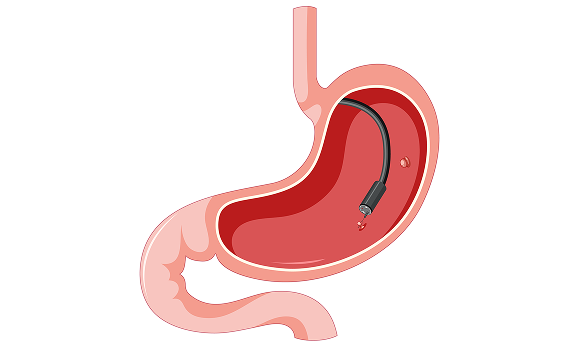
Transoral incisionless fundoplication, also known as the TIF procedure for GERD, is an innovative endoscopic treatment designed to restore the body’s natural barrier against acid reflux without external incisions. This minimally invasive technique offers faster recovery and reduced post-procedure discomfort compared to conventional surgery.
What is TIF surgery?
Transoral incisionless fundoplication surgery in Bahrain is a minimally invasive procedure used to treat chronic acid reflux and GERD. The procedure is done entirely through the mouth, so it’s completely incision-free with no visible scarring afterward.
In order to properly eliminate acid reflux at its source, the surgeon concentrates on reconstructing the natural barrier between your stomach and esophagus. This enhances overall digestive comfort and lessens reflux symptoms.
The TIF procedure for GERD is often recommended for patients who:
- Experience chronic acid reflux despite medication.
- Depend on long-term acid-suppressing medications.
- Have regurgitation or persistent heartburn.
- Skip the traditional surgery and choose a path that’s easier on your body.
- Have a mild to moderate hiatal hernia associated with GERD.
Symptoms that may indicate GERD and may require TIF surgery
GERD symptoms vary, but the risk of ignoring them is the same. Taking care of it now prevents much more severe symptoms later on. Common symptoms include:
- Persistent heartburn
- Sour taste in the mouth
- Acid regurgitation
- Difficulty swallowing
- Chronic cough
- Hoarseness
- Chest discomfort
- Bloating after meals
Patients experiencing frequent reflux symptoms should seek medical evaluation to determine whether treatments such as transoral incisionless fundoplication surgery in Bahrain may be appropriate.
How does the TIF procedure work?
The TIF procedure for GERD is performed under general anesthesia using an advanced endoscopic device inserted through the mouth into the stomach. The surgeon carefully reshapes and tightens the lower esophageal valve to restore its normal function. Because the procedure is incisionless, patients typically experience:
- Less post-procedure pain
- Faster recovery time
- No visible scars
- Shorter hospital stay
- Lower risk of complications associated with open surgery.
This advanced endoscopic treatment for GERD in Bahrain allows many patients to return to normal activities within a few days following medical guidance.
Recovery after TIF surgery
Recovery following transoral incisionless fundoplication surgery in Bahrain is usually smooth and relatively quick. Most patients stay in the hospital for observation and return home shortly afterwards. Following the procedure, patients are advised to:
- Follow a temporary soft diet.
- Avoid strenuous activities for a short period.
- Attend scheduled follow-up appointments.
- Follow medication and recovery instructions carefully.
- Many individuals notice improvement in reflux symptoms within weeks after the procedure.
Who is a suitable candidate for TIF surgery?
Before endoscopic therapy for GERD is recommended in Bahrain, a thorough medical evaluation is necessary.
Suitable candidates may include individuals who:
- Have confirmed GERD diagnosis
- Continue experiencing symptoms despite medications.
- Do not wish to remain on lifelong reflux medication.
- Have mild to moderate anatomical changes contributing to reflux.
- Are medically fit for an endoscopic procedure.
At King’s Bahrain, our specialists take the time to really understand what’s going on. We use the latest diagnostic tools to look at the full picture, ensuring the care plan we create is exactly right for you.
Benefits of TIF surgery
TIF surgery in Bahrain offers several advantages for suitable patients with chronic GERD. These benefits include:
- No incisions, no scars, and a much faster recovery, all because the procedure is performed entirely through the mouth.
- Many patients experience significant improvement in reflux symptoms and may reduce or discontinue long-term acid reflux medications under medical supervision.
- By controlling reflux symptoms effectively, patients often experience better sleep, improved eating habits, and greater daily comfort.
- Compared to traditional anti-reflux surgery, the TIF procedure for GERD generally involves shorter hospital stays and quicker return to normal activities.
Why choose King’s Bahrain Hospital for GERD treatment?
King’s Bahrain Hospital – top hospital in Bahrain is committed to delivering advanced gastrointestinal care using modern diagnostic and therapeutic techniques. We know that every patient is different. That’s why we pair our experienced specialists with the latest medical advances to ensure your digestive care is as unique as you are. Patients seeking TIF surgery in Bahrain benefit from:
- Experienced gastroenterology and surgical teams
- Advanced endoscopic technology
- Comprehensive diagnostic services
- Personalized treatment planning
- High standards of patient safety and care
Book a consultation for TIF surgery in Bahrain
If you are struggling with chronic acid reflux or GERD symptoms, the specialists at King’s Bahrain Hospital can help determine whether the TIF procedure for GERD is the right solution for you. Early diagnosis and advanced treatment can help improve comfort, digestive health, and overall quality of life
FAQs
Most clinical studies show that about 80% of patients are able to stop taking their daily PPI medications completely after the TIF procedure.
Yes, the valve reconstruction is designed to be a long-term solution. However, maintaining a healthy weight and lifestyle helps ensure the best lasting results.
You will follow a special liquid and soft-food diet for about 4 to 6 weeks. This gives the fasteners and the new valve time to heal securely before you resume eating solid or crunchy foods.
No. Because the doctor works through your mouth using an endoscope, there are no external incisions and no visible scars.