
Cochlear Implant surgery in Bahrain
Departments
ENT care and Cochlear Implants Surgery in Bahrain
Hearing loss affects millions of people. For those with severe or profound hearing loss, children who are missing language milestones, or adults who can no longer follow a conversation, a hearing aid is often not enough. That’s when patients across Bahrain start looking for cochlear implant surgery in Bahrain performed by a surgeon they can trust.
At King’s College Hospital, Bahrain Clinic, patients have access to experienced ENT specialists, advanced diagnostic technology, and comprehensive hearing rehabilitation services, all supported by the trusted King’s healthcare network across the UK and UAE.
Our goal is to help patients hear better, communicate more clearly, and enjoy a better quality of life through safe, well-organized care.
Premium ENT services at King’s College Hospital Bahrain
Our ENT department manages a wide range of ear, nose & throat conditions for both adults and children. Services include accurate diagnosis, advanced treatment options, and long-term management plans tailored to each patient.
- Pediatric ENT – ear infections, enlarged tonsils and adenoids, hearing screening in children
- Ear conditions – glue ear, perforated eardrum, ear infections, dizziness, and Eustachian tube dysfunction
- Nose & sinus care – sinusitis, nasal allergies, nasal polyps, deviated septum, and minimally invasive sinus surgery
- Head & neck surgery – thyroid conditions, salivary gland disorders, neck swellings, and head and neck tumors
- Otology – ear disease, eardrum repair (tympanoplasty), balance disorders
- Airway and voice disorders – hoarseness, breathing difficulties, laryngoscopy
Cochlear Implant surgery in Bahrain: What you need to know?
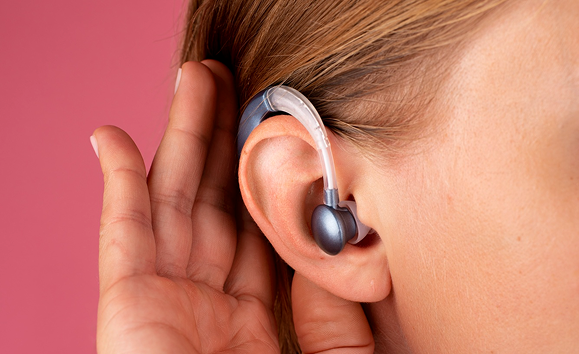
A cochlear implant is a small electronic device that is surgically placed behind the ear to help individuals with severe hearing loss hear sounds more effectively.
Unlike traditional hearing aids, which simply amplify sound, cochlear implants work by bypassing damaged parts of the inner ear and directly stimulating the hearing nerve.
Candidates include children who are born deaf or who lose hearing in early childhood, as well as adults with severe-to-profound sensorineural hearing loss who get limited benefit from hearing aids. The earlier the implantation in children, the better the outcomes for language development, which is why prompt evaluation matters.
The Cochlear Implant journey at King’s Bahrain Hospital
1. Detailed evaluation:
The journey begins with a detailed hearing assessment, which may include audiometry, speech recognition tests, and inner-ear imaging when necessary. These tests help specialists determine whether a cochlear implant is the right treatment option.
2. Pre-surgical counseling:
Patients and their families meet with the ENT surgeon, audiologist, and speech therapist to talk about the procedure, recovery, outcomes and rehabilitation. All questions about the device, surgery, and recovery timeline are answered clearly.
3. The surgical procedure:
Performed by the best cochlear implant surgeon in Bahrain, the procedure is a routine but highly precise surgery.
Cochlear implant surgery is usually performed under general anesthesia and typically takes two to four hours. The surgeon makes a small incision behind the ear, places the implant under the skin, and threads the electrode array into the cochlea. Most patients go home within 24 hours.
4. Activation & hearing rehabilitation:
Approximately three to four weeks after surgery, the external sound processor is activated. The audiologist programs the device and adjusts the settings according to the patient’s hearing response. For many patients and families, this is a highly emotional and meaningful milestone.
5. Rehabilitation & follow-up:
Regular follow-up appointments help fine-tune the device settings. Speech and language therapy, especially for children, helps develop listening, speech, and communication skills as patients adapt to new sounds.
A multidisciplinary approach to hearing
The best cochlear implant outcomes come from coordinated care across multiple disciplines. At King’s Hospital Bahrain, the cochlear implant team includes:
- ENT surgeons are responsible for performing the implant procedure.
- Audiologists responsible for hearing assessments and device programming.
- Speech and language therapists support the development of listening and communication.
- Pediatricians and medical specialists coordinate care for younger patients when needed.
Each specialist supports a different part of the patient journey, from diagnosis to long-term hearing rehabilitation.
Why choose King’s College Hospital Bahrain for Cochlear Implant surgery and ENT care in Bahrain?
King’s College Hospital London is internationally recognized for its long-standing medical expertise and specialist care services. Through its Bahrain clinic, patients can access healthcare pathways aligned with British clinical standards, closer to home.
Patients looking for ENT care often value:
- International surgeons trained in accredited cochlear implant programs, not self-taught protocols.
- Full audiological support on-site; no need to travel to multiple clinics for evaluation, surgery, and mapping.
- Dedicated rehabilitation pathway including speech therapy, not just a surgical episode.
- Patient-centered consultations focused on education and long-term outcomes.
- Access to the clinical governance standards of the King’s network across Dubai and London.
FAQs
People with severe to profound hearing loss may benefit from cochlear implants if hearing aids no longer provide enough improvement. A full ENT and audiology evaluation is required before treatment is recommended.
Yes, cochlear implant surgery is a standard and safe procedure for children as young as 12 months old. Early implantation is often recommended to help children develop speech and language skills during their most critical years of growth.
Most patients are able to return to their normal daily activities within one to two weeks after the procedure. While the physical incision heals quickly, the full process of “learning to hear” continues for several months through rehabilitation.
The best approach is to choose a center with experienced ENT specialists, audiology support, speech therapy services, and long-term rehabilitation care. A multidisciplinary hearing program is important for successful treatment outcomes.