
Sleep clinic
Our Surgical Treatments
A good night’s sleep is important for your overall health. Poor or disrupted sleep can affect both your body and mind, leaving you tired, irritable, or unfocused.
Conditions such as insomnia, sleep apnea, or restless leg syndrome can leave you feeling tired, affect your mood, and interfere with daily life. Getting the right diagnosis and treatment early is important for restoring healthy sleep.
At King’s College Hospital London – Bahrain Clinic, our sleep clinic provides comprehensive assessments, advanced diagnostic testing, and personalized therapies to restore healthy sleep.
Led by an experienced sleep doctor, our team works to uncover the root cause of your sleep concerns and create tailored treatment plans to improve sleep quality, enhance daytime alertness, and protect your long-term health.
Common signs of sleep problems
Sleep disorders often develop gradually and may go unnoticed for a long time. Common signs of sleep problems include:
- Difficulty falling asleep or staying asleep
- Waking up feeling tired or unrefreshed
- Persistent daytime sleepiness or fatigue, even after a full night’s sleep
- Loud, chronic snoring
- Morning headaches
- Episodes of paused breathing, choking, or gasping during sleep
- Poor concentration and memory problems
- Mood changes, irritability, anxiety, or low mood
- Reduced performance at work or school
- Restless or uncomfortable sensations in the legs at night
- Frequent nighttime awakenings
- Unusual behaviors during sleep, like sleepwalking or night terrors
If these symptoms persist, consulting a sleep doctor at our sleep clinic in Bahrain can help identify the cause and prevent long-term health complications.
Conditions treated at our sleep clinic in Bahrain
At our sleep clinic in Bahrain, we diagnose and manage various sleep disorders affecting both adults and children:
Conditions we treat include:
- Insomnia: Difficulty falling asleep, staying asleep, or waking up too early, leaving you fatigued and less focused during the day.
- Obstructive Sleep Apnea (OSA): Interrupted breathing during sleep that lowers oxygen levels and impacts energy, concentration, and heart health.
- Narcolepsy and excessive daytime sleepiness: Sudden or overwhelming sleepiness during the day or sudden naps in daily activities.
- Dental sleep disorders: Sleep problems related to jaw alignment, teeth grinding, or airway obstruction affecting sleep.
- Restless Legs Syndrome (RLS): Uncomfortable leg sensations and an urge to move them, especially at night, making it hard to fall asleep.
- Chronic fatigue syndrome: Persistent tiredness that is not relieved by rest or sleep, often linked to disrupted sleep.
- REM sleep behaviour disorder: Acting out dreams due to loss of normal muscle paralysis during REM sleep, which may cause injury or disturb your partner.
- Sleepwalking and sleep terrors: Abnormal behaviors during deep sleep, affecting both children and adults, leading to safety concerns.
- Circadian rhythm disorders: Sleep-wake patterns that don’t match your natural body clock, often due to shift work or jet lag.
- Medical and psychiatric sleep disorders: Sleep disturbances tied to conditions like anxiety, depression, chronic pain, or neurological diseases.
- Stress and work-related sleep issues: Sleep disturbances caused or worsened by stress, demanding schedules, or burnout.
- Menstrual-associated sleep disorders: Sleep issues related to hormonal changes during the menstrual cycle.p
- Pregnancy and postpartum sleep problems: Disrupted sleep due to hormonal shifts, physical discomfort, or caring for a newborn.
Diagnostic tests & evaluations
Getting the right diagnosis is the first step to better sleep. Our sleep doctor combines thorough assessments, advanced tests, and personalized evaluations to understand your sleep habits and pinpoint the cause of any issues.
Common diagnostic tools include:
- Polysomnography (Sleep study): A comprehensive overnight test that monitors brain activity, heart rate, breathing, and oxygen levels during sleep.
- Home sleep apnea test: Convenient testing performed at home to evaluate breathing patterns, airflow, heart rate, and oxygen levels for suspected sleep apnea.
- Oximetry and respiratory monitoring: Using a small monitor that attaches to a finger, this test measures oxygen levels and breathing irregularities overnight.
- Actigraphy: A wearable device that helps track movement and sleep-wake cycles for several days or weeks.
- Sleep questionnaires and logs: Tools to track your sleep habits, daytime sleepiness, and lifestyle factors affecting sleep quality.
Treatment options available at our sleep clinic Bahrain
Following a thorough evaluation, we create a personalized plan to enhance sleep quality, replenish energy, and promote overall well-being.
- Behavioral and lifestyle therapies: Techniques such as Cognitive Behavioral Therapy for Insomnia (CBT-I), sleep hygiene guidance, and stress management strategies.
- Healthy-lifestyle choices: These can include losing weight if needed, following good sleep habits, getting regular physical activity, cutting back on alcohol and caffeine near bedtime, and avoiding recreational drugs.
- Treatment of underlying conditions: Addressing medical, psychiatric, or hormonal factors that may be causing or adding to sleep disorders.
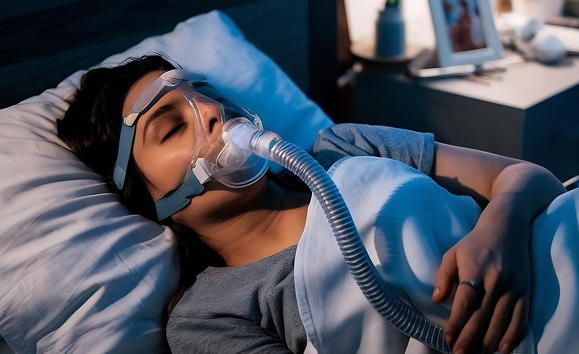
- Continuous Positive Airway Pressure (CPAP) therapy: An effective treatment for obstructive sleep apnea that keeps the airway open during sleep.
- Medication management: Prescribed carefully when needed for specific sleep disorders, under careful medical supervision.
- Oral and dental devices: Custom-made mouthpieces to manage sleep apnea or dental-related sleep disorders.
- Pregnancy and stress-related sleep support: Guidance for women during pregnancy or postpartum, and for those dealing with work-related stress.
Why choose the sleep clinic at King’s College Hospital London - Bahrain?
At our sleep clinic in Bahrain, we provide care for various sleep disorders, including insomnia, sleep apnea, restless legs syndrome, and disrupted sleep cycles.
The sleep doctor offers accurate diagnoses, personalized treatment plans, and advanced therapies, including behavioral therapy, CPAP, oral devices, medication, and lifestyle guidance.
We focus on patient-centered care, featuring modern diagnostic facilities, compassionate support, and ongoing follow-ups to enhance sleep quality, restore energy, and promote overall physical and mental well-being.
Take the first step toward better sleep and improved well-being.