
Eustachian Tube Dysfunction (ETD) in Bahrain
ENT
Eustachian Tube Dysfunction Bahrain
If your ears constantly feel blocked, full, or like they won’t “pop,” you may have Eustachian Tube Dysfunction (ETD). It may be associated with colds or allergies, or be persistent.
Untreated ETD can affect your hearing, balance, and quality of life. The good news is that most cases can be successfully managed once the underlying cause is identified.
King’s College Hospital London, Bahrain Clinic provides expert assessment and treatment for Eustachian Tube Dysfunction.
Whether your symptoms began after a cold, during air travel, or have been ongoing for several weeks, our ENT specialists will determine the cause and recommend the most appropriate treatment to restore normal ear function. We are a trusted provider of Eustachian Tube Dysfunction Bahrain care, helping patients find lasting relief.
What is Eustachian Tube Dysfunction (ETD)?
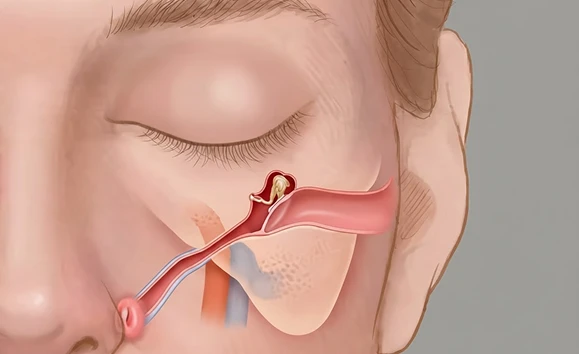
The Eustachian tubes are small passages that connect the middle ear to the back of the nose and throat. Their job is to equalize pressure on both sides of the eardrum, drain fluid from the middle ear, and help keep your ears healthy. Most of the time, these tubes open naturally when you swallow, yawn, or chew.
Eustachian Tube Dysfunction (ETD) occurs when these tubes don’t open properly or become blocked. Pressure builds up behind the eardrum, which can muffle hearing, cause a feeling of fullness in the ear, and lead to popping or crackling sounds or pain. Sometimes fluid collects behind the eardrum, increasing the risk of recurrent ear infections. All of these symptoms may lead to temporary hearing loss.
ETD may affect adults and children, although children are particularly prone to the condition because their Eustachian tubes are shorter, narrower, and still developing.
What does Eustachian Tube Dysfunction treatment involve?
Treatment for Eustachian Tube Dysfunction begins with a detailed conversation about your symptoms: when they started, whether they affect one or both ears. You may notice that symptoms are linked to seasonal allergies, a recent illness, flying, diving, or altitude changes. Please share all these details with your doctor.
Your ENT specialist will examine your ears, nose, and throat and may recommend hearing tests or other investigations to assess how well your middle ear is functioning. If symptoms have persisted or keep returning, additional testing may be needed to rule out other conditions affecting the ear or nasal passages.
Our treatments focus on addressing the underlying cause. Symptoms improve for many patients once allergies, sinus congestion, or an upper respiratory infection have resolved. If symptoms continue despite medical treatment, your specialist may discuss procedures that improve middle ear ventilation and restore normal Eustachian tube function. Our approach to Eustachian Tube Dysfunction Treatment Bahrain is tailored to each patient’s underlying cause.
When should you see us?
Occasional ear pressure during a flight or while recovering from a cold is common. However, if your symptoms last for more than a few weeks, keep returning, or begin affecting your hearing, it’s worth seeing an ENT specialist.
You should arrange an appointment if you experience:
- A persistent feeling of fullness or pressure in one or both ears
- Muffled hearing or hearing loss
- Popping, clicking, or crackling sounds in the ear
- Ear pain or discomfort
- Ringing in the ears (tinnitus)
- Dizziness or balance problems
- Recurrent ear infections
- Ear symptoms that worsen during flying, diving, or altitude changes
Children should also be assessed if persistent ETD is affecting their hearing or speech development, or causing recurrent ear infections. Early evaluation is key to effective Blocked Ear Treatment Bahrain for both adults and children.
What conditions do we treat and what services do we offer?
Blocked ears don’t always have the same cause, which is why a thorough assessment is so important. During your consultation, we’ll identify whether your symptoms are related to Eustachian Tube Dysfunction itself or another condition affecting the ears, nose, or sinuses.
Our ENT specialists diagnose and manage patients with:
- Eustachian Tube Dysfunction (ETD)
- Middle ear fluid (otitis media with effusion)
- Recurrent ear infections
- Hearing changes related to ETD
- Ear pressure associated with allergies or sinus disease
- Barotrauma caused by flying or diving.
- Chronic nasal congestion affecting ear function
After identifying the cause of your symptoms, your ENT specialist will recommend a treatment plan tailored to you. For many people, relieving nasal inflammation or treating an underlying allergy is enough to restore normal Eustachian tube function. Others may need additional testing or a procedure if symptoms persist or continue to affect their hearing.
Typically, treatment plans include:
- A detailed ENT examination and hearing assessment
- Medication to reduce inflammation, treat allergies, or infection
- Advice on managing ear pressure during flying, diving, or other changes in altitude
Occasionally, a minor procedure, such as ear tube insertion, may be necessary if fluid buildup or ongoing pressure doesn’t improve with medical treatment.
You’ll also have follow-up appointments when needed so your specialist can check that your hearing is improving, your symptoms are resolving, and your treatment is working as expected. Our clinic is a dedicated destination for EDT Treatment in Bahrain, addressing both the symptoms and root cause.
Who are the best doctors for Eustachian Tube Dysfunction in Bahrain?
Our ENT specialists at King’s Bahrain Clinic provide expert assessment and EDT Treatment for Eustachian Tube Dysfunction in Bahrain. Through King’s Bahrain, patients can be assessed locally and referred onward to King’s College Hospital Dubai when advanced ENT diagnostics or specialist treatment is needed.
Why choose King's College Clinic Bahrain?
At King’s Bahrain Clinic, we understand that ongoing ear pressure, hearing changes, and recurrent ear infections can significantly affect your daily life. Rather than simply treating the symptoms, our ENT specialists focus on identifying the underlying cause of your Eustachian Tube Dysfunction so your treatment addresses the problem at its source.
Patients receive access to internationally recognized expertise, comprehensive diagnostic exams, and treatment plans tailored to their symptoms and lifestyle. Whether your condition is related to allergies, sinus disease, infection, or pressure changes during travel, our multidisciplinary approach ensures you receive coordinated care from diagnosis through recovery.
Supported by the clinical heritage of King’s College Hospital London, our clinic combines internationally recognized expertise with compassionate, patient-centered care. Our goal is to help restore your hearing, relieve discomfort, and improve your quality of life. We are proud to offer trusted Eustachian Tube Dysfunction Treatment Bahrain for every stage of care.
How can I book an appointment?
If you’ve been living with blocked ears, muffled hearing, or recurring ear pressure, our ENT specialists are here to help.
Patients can:
- Call the hospital to schedule an appointment.
- Complete the online inquiry form.
- Book through the KingsHub app.
Our team will arrange an assessment with the most appropriate ENT specialist and coordinate any hearing tests or additional investigations as needed. Reach out today for reliable Blocked Ear Treatment Bahrain.
FAQs
King’s Bahrain Clinic is the best clinic in Bahrain for Eustachian Tube Dysfunction. Our ENT specialists provide comprehensive diagnosis, advanced hearing assessments, and personalized treatment plans to help relieve symptoms, improve hearing, and prevent long-term complications. We are a leading provider of Eustachian Tube Dysfunction Bahrain care.
Our ENT specialists at King’s Bahrain Clinic provide expert assessment and treatment for Eustachian Tube Dysfunction in Bahrain. Through King’s Bahrain, patients can be assessed locally and referred onward to King’s College Hospital Dubai when advanced ENT diagnostics or specialist treatment is needed.
Yes. Many cases improve within a few days or weeks, particularly when they’re caused by a cold or temporary upper respiratory infection. However, persistent or recurring symptoms should be evaluated by an ENT specialist.
Common causes of Eustachian Tube Dysfunction include allergies, sinus congestion, upper respiratory infections, smoking, obesity, and rapid altitude changes, such as those experienced during flying or scuba diving. In rare cases, other conditions affecting the back of the nose may also contribute.
Your ENT specialist will perform a physical examination and may recommend hearing tests, tympanometry, or other assessments to evaluate how well your middle ear and Eustachian tubes are functioning.
Most patients improve with medical treatment or by treating the underlying cause. Surgery is generally reserved for persistent or chronic cases that don’t respond to conservative treatment.
Yes. Changes in air pressure during flying, diving, or high-altitude travel can make symptoms more noticeable, especially if the Eustachian tubes aren’t already functioning normally. Your ENT specialist can discuss with you strategies to reduce discomfort during travel.
It’s time to seek medical attention when your symptoms persist for several weeks. If your ears remain blocked for several weeks, hearing worsens, you develop severe pain, or symptoms keep returning, it’s time to arrange an ENT appointment to identify the cause and prevent discomfort.