
Snoring & Upper Airway Surgery in Bahrain
ENT
What is snoring?
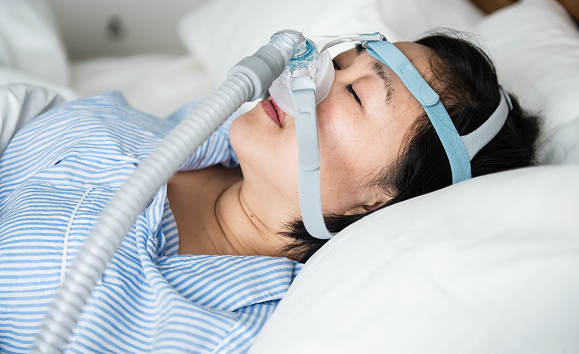
Snoring occurs when airflow is partially blocked as it passes through the upper airway during sleep, causing the surrounding tissues to vibrate. Occasional snoring is common, but persistent or loud snoring may indicate narrowing or obstruction in the nose, throat, soft palate, or tongue.
For some people, snoring is associated with obstructive sleep apnoea, a condition in which breathing repeatedly stops and starts during sleep. Since the underlying causes vary from person to person, successful treatment requires an individualised approach.
At King’s College Hospital London, Bahrain, our ENT specialists provide comprehensive assessment and Snoring Treatment Bahrain patients can rely on by identifying the exact source of airway obstruction before recommending the most appropriate treatment.
What causes snoring?
Several parts of the upper airway can contribute to snoring, including:
- A deviated nasal septum
- Enlarged nasal turbinates
- Enlarged tonsils
- An elongated soft palate
- An enlarged uvula
- Narrowing of the throat
- Collapse of the base of the tongue during sleep
- Excess body weight
- Obstructive sleep apnea
Many patients have multiple contributing factors, so a thorough evaluation is essential before deciding on surgery.
How is snoring diagnosed?
Your ENT specialist will perform a detailed examination of your upper airway to determine which structures are contributing to the problem.
Your evaluation may include:
- A detailed medical history
- Examination of the nose, mouth, and throat
- Endoscopic assessment of the airway
- Sleep study, when appropriate
- Assessment for obstructive sleep apnea
Following your evaluation, your specialist will discuss the findings and recommend the most appropriate treatment options based on your individual condition.
What surgical treatments are available?
The type of surgery recommended depends on the location of the airway obstruction.
Nose procedures
Improving nasal airflow is often the first step, particularly when nasal obstruction contributes to snoring or difficulty breathing.
Procedures may include:
- Septoplasty
- Turbinate reduction (turbinoplasty)
- Rhinoplasty, when clinically indicated
Improving nasal breathing may also increase the effectiveness of other treatments.
Palate procedures
In many patients, the soft palate, uvula, tonsils, or side walls of the throat contribute to airway narrowing during sleep.
Procedures may include:
- Expansion pharyngoplasty
- Modified uvulopalatopharyngoplasty (UPPP)
- Lateral pharyngoplasty
- Tonsillectomy
These procedures help improve airflow by reducing tissue collapse during sleep.
Tongue procedures
Some patients experience airway obstruction at the base of the tongue.
Depending on your assessment, treatment options may include:
- Lingual tonsillectomy
- Tongue channeling procedures
- Tongue base reduction
Your surgeon will explain which option is most appropriate based on your anatomy and sleep study results.
When indicated, Snoring Surgery in Bahrain is carefully planned to address the specific site of airway obstruction while preserving normal breathing and swallowing function.
What happens during surgery?
Upper airway surgery is performed under general anesthesia.
Depending on the procedures, surgery usually takes two to three hours. Most patients can return home the same day once recovered and medically fit for discharge.
Your surgeon will explain the planned procedure, expected benefits, potential risks, and recovery process before surgery.
What is recovery like?
Some discomfort is expected during the first week after surgery and can be managed with prescribed pain medication.
During recovery, patients are encouraged to:
- Drink plenty of fluids
- Eat soft foods
- Take medications as directed
- Avoid strenuous physical activity for approximately two weeks
Most discomfort improves within seven to ten days. Many patients can return to office-based or nonstrenuous work within a day or two, though recovery varies with the extent of surgery.
Who is a candidate for upper airway surgery?
You may benefit from surgical treatment if you:
- Have persistent snoring that affects your quality of life
- Have been diagnosed with obstructive sleep apnea
- Have a nasal obstruction affecting breathing during sleep
- Have enlarged tonsils or other airway abnormalities
- Have not responded to nonsurgical treatments
- Want a long-term solution after a comprehensive evaluation
Not everyone who snores requires surgery. Your ENT specialist will recommend surgery only if it is the most appropriate treatment for your condition. For patients with significant airway obstruction, Sleep Apnea Surgery Bahrain may also be considered as part of a personalised treatment plan.
Why choose King’s Bahrain Clinic?
At King’s College Hospital London, Dubai Bahrain Clinic, our ENT specialists provide comprehensive assessment and treatment for snoring and upper airway disorders using advanced diagnostic techniques and evidence-based care.
Patients benefit from:
- Consultant-led ENT care
- Comprehensive airway evaluation
- Personalized surgical treatment plans
- Modern surgical techniques
- Multidisciplinary sleep disorder assessment
- Comprehensive postoperative follow-up
At King’s Bahrain Clinic, every treatment plan is tailored to address the specific cause of your snoring and improve both sleep quality and overall health.
Who are the best snoring and upper airway surgeons in Bahrain?
The best doctors for Snoring Treatment Bahrain are Dr Roberto Puxeddu and Dr Kartic Narayanan Rajaram, supported by the experienced multidisciplinary ENT team at King’s College Hospital London, Bahrain. They provide comprehensive care for patients with snoring, obstructive sleep apnoea, and other upper airway disorders using advanced medical and surgical techniques.
How can I book an appointment?
If you experience persistent snoring, interrupted sleep, daytime fatigue, or symptoms of obstructive sleep apnea, our ENT specialists can perform a comprehensive evaluation and recommend the most appropriate treatment.
To book an appointment, contact King’s Bahrain Clinic by phone or submit an online appointment request form.
FAQs
King’s Bahrain Clinic is one of the leading centres for Snoring Treatment Bahrain. Our ENT specialists provide comprehensive airway assessment, advanced diagnostic testing, and personalised medical and surgical treatment for snoring and obstructive sleep apnoea using internationally recognised clinical standards.
The best doctors for Snoring Treatment Bahrain are Dr Roberto Puxeddu and Dr Kartic Narayanan Rajaram, supported by the experienced ENT team at King’s College Hospital London, Bahrain.
No. Surgery is recommended only after a comprehensive assessment confirms it is the most appropriate treatment. Many patients improve with medical therapy or lifestyle changes.
Yes. Persistent loud snoring, especially when accompanied by pauses in breathing, gasping during sleep, or excessive daytime fatigue, may indicate obstructive sleep apnoea. Some patients may benefit from Sleep Apnea Surgery Bahrain following a comprehensive ENT and sleep assessment.
Recovery depends on the procedures performed. Most patients experience improvement within 1 to 2 weeks and complete healing over several weeks.
Results vary depending on the underlying cause and individual anatomy. Your ENT specialist will discuss the expected outcomes based on your evaluation.