
Spinal Cysts Treatment in Bahrain
Spine Center
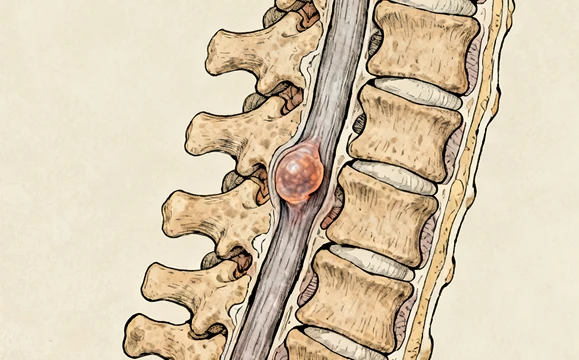
What are spinal cysts?
Spinal cysts are fluid-filled sacs that usually develop near the small joints of the spine, known as facet joints. They are most often linked to age-related wear and tear and are usually non-cancerous. While many spinal cysts never cause symptoms, larger cysts can press on nearby nerves, leading to back pain, numbness, weakness, or difficulty walking. When symptoms interfere daily activities, seeking Spinal Cyst Treatment in Bahrain can help identify the cause and determine the most suitable treatment.
What does spinal cyst treatment involve?
Your assessment starts with a detailed discussion about your symptoms, medical history, and how the pain is affecting your daily life. A neurological examination is followed by imaging studies, with MRI being the preferred investigation to confirm the presence of a spinal cyst and check whether nearby nerves are being compressed. X-rays or CT scans may also be recommended in some cases.
Treatment depends on the size and location of the cyst, the severity of your symptoms, and whether there is nerve compression. Some patients improve with observation or non-surgical care, while others may benefit from injections or Spinal Cyst Surgery Bahrain when symptoms persist or neurological problems develop.
When should you see us?
- Persistent back pain
- Pain radiating into the arms or legs
- Tingling or numbness
- Muscle weakness
- Difficulty standing or walking
- Symptoms that worsen with certain positions
What conditions do we treat and what services do we offer?
Our spine service assesses spinal cysts as well as a wide range of degenerative spinal conditions. The focus is on relieving pressure on the nerves, reducing pain, and improving movement while avoiding surgery whenever possible.
Services include:
- Comprehensive spine assessment
- MRI and diagnostic imaging
- Conservative treatment
- Image-guided spinal injections
- Surgical removal of symptomatic cysts
- Rehabilitation and follow-up
Your treatment plan may include:
- Clinical evaluation
- Advanced imaging
- Pain management
- Observation for asymptomatic cysts
- Facet or epidural steroid injections
- Minimally invasive Spinal Cyst Surgery Bahrain where appropriate
- Postoperative rehabilitation
Who is the best doctor for spinal cyst treatment in Bahrain?
The best doctor for Spinal Cyst Treatment in Bahrain is Dr. Imtiaz Ahmed Hashmi, Specialist Orthopedic Surgeon.
As an experienced Spinal Cyst Surgeon Bahrain, Dr. Imtiaz Ahmed Hashmi assesses patients with spinal cysts and other spinal disorders, recommending conservative treatment or surgery based on the underlying condition and the severity of symptoms.
Why choose King's Bahrain Clinic?
Back pain and nerve symptoms can have many different causes, so an accurate diagnosis is essential before deciding on treatment. At King’s Bahrain Clinic, patients receive a thorough assessment to determine whether a spinal cyst is responsible for their symptoms and to identify the most appropriate management plan.
When surgery is needed, care is coordinated with experienced spine specialists who use modern surgical techniques, including minimally invasive procedures where suitable. Patients are also supported through rehabilitation to help them return safely to their usual activities.
How can I book an appointment?
Appointments can be booked by phone, through the online appointment request form.
FAQs
King’s Bahrain Clinic is one of the leading providers of Spinal Cyst Treatment in Bahrain, offering specialist assessment, non-surgical treatment, image-guided injections, and Spinal Cyst Surgery Bahrain when required.
The best doctor for Spinal Cyst Treatment in Bahrain is Dr. Imtiaz Ahmed Hashmi, Spinal Cyst Surgeon Bahrain.
No. Many cysts can be monitored or managed with medication, physiotherapy, or injections if symptoms are mild.
MRI is the most accurate test for identifying spinal cysts and evaluating nerve compression.
Although recurrence is uncommon, it can occur depending on the underlying spinal degeneration.
Surgery is usually recommended when significant nerve compression, persistent pain, or neurological symptoms do not improve with conservative treatment.