
Spine Deformities Treatment in Bahrain
Spine Center
What are spine deformities?
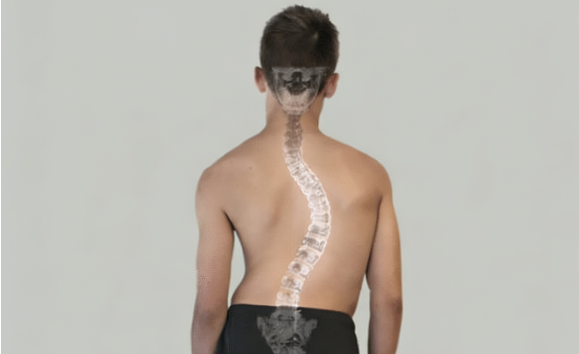
Spine deformities are conditions that change the normal shape or alignment of the spine. Some people are born with these conditions because the spine does not develop normally during pregnancy, while others develop them later in life due to age-related changes, injury, growth disorders, or certain medical conditions.
Common spine deformities include scoliosis, kyphosis, lordosis, and congenital conditions such as spina bifida. The symptoms vary depending on the type and severity of the deformity. Some people notice changes in posture, while others experience back pain, reduced mobility, nerve-related symptoms, or difficulty carrying out everyday activities. At King’s College Hospital London, Dubai Bahrain Clinic, our multidisciplinary spine team provides comprehensive Spine Deformity Treatment Bahrain with the aim of improving spinal alignment, relieving symptoms, and helping patients maintain an active lifestyle.
What does spine deformity treatment involve?
Your consultation begins with a detailed discussion about your symptoms, medical history, and any changes you have noticed in your posture or movement. This is followed by a physical and neurological examination to assess spinal alignment, flexibility, balance, and possible nerve involvement.
If further evaluation is needed, imaging tests such as X-rays, MRI scans, or CT scans help determine the type and severity of the deformity. Treatment is planned according to your age, symptoms, overall health, and the degree of spinal curvature. Some patients only need regular monitoring, while others may benefit from physiotherapy, spinal bracing, or Spine Deformity Surgery Bahrain to correct the deformity and improve spinal stability.
When should you see us?
You should arrange a specialist assessment if you experience:
- Visible curvature or uneven alignment of the spine
- Persistent neck or back pain
- Uneven shoulders or hips
- Difficulty standing upright
- Progressive changes in posture
- Weakness, numbness, or tingling in the arms or legs
- Difficulty walking or maintaining balance
- Congenital spinal abnormalities identified during childhood
What conditions do we treat and what services do we offer?
Our multidisciplinary spine team provides comprehensive care for both congenital and acquired spinal deformities using evidence-based treatment plans designed to restore spinal alignment and improve long-term function.
We diagnose and treat:
- Scoliosis
- Kyphosis
- Hyperlordosis
- Congenital spinal deformities
- Spina bifida
- Spinal malformations
- Progressive spinal curvature
- Neurological complications associated with spinal deformities
Your personalized treatment plan may include:
- Comprehensive spine and neurological assessment
- Advanced diagnostic imaging
- Observation and regular monitoring
- Physiotherapy and rehabilitation
- Pain management
- Spinal bracing when appropriate
- Corrective spinal surgery
- Long-term postoperative follow-up
When surgery is recommended, our specialists carefully plan each procedure to improve spinal alignment while maintaining stability and protecting the spinal cord and surrounding nerves. Depending on your condition, Spine Deformity Surgery Bahrain may involve advanced fixation techniques using rods, screws, and other implants to restore balance and help prevent the deformity from progressing further.
Who is the best spine deformity surgeon Bahrain?
Patients seeking Spine Deformity Treatment Bahrain can receive expert care from our multidisciplinary spine team, including Dr Imtiaz Ahmed Hashmi. Each treatment plan is tailored to the patient’s age, diagnosis, symptoms, and long-term functional goals.
Why choose King's Bahrain Clinic?
At King’s College Hospital London, Dubai Bahrain Clinic, patients benefit from consultant-led multidisciplinary spine care supported by advanced diagnostic imaging, modern surgical technology, and comprehensive rehabilitation services. Our specialists work together to create treatment plans that focus on improving your spinal alignment, relieving pain, preserving neurological function, and enhancing quality of life.
Whether the treatment involves observation, physiotherapy, bracing, or complex reconstructive spine surgery, we are committed to delivering compassionate, evidence-based care at every stage.
How can I book an appointment?
If you or your child has a spinal curvature, posture changes, persistent back pain, or has been diagnosed with a spinal deformity, our spine specialists provide a complete evaluation and recommend the most appropriate treatment.
Appointments can be booked by calling King’s Bahrain Clinic, submitting an online inquiry through our appointment request form.
FAQs
King’s Bahrain Clinic is the best clinic for spine deformity treatment in Bahrain. Our multidisciplinary spine specialists provide comprehensive diagnosis, advanced imaging, conservative management, corrective spinal surgery, and long-term rehabilitation for both children and adults with spinal deformities.
Patients receive care from our experienced multidisciplinary spine team, including Dr Imtiaz Ahmed Hashmi, who provides evaluation and treatment for congenital and acquired spinal conditions.
Some spinal deformities are congenital and develop before birth, while others result from degeneration, injury, neuromuscular disorders, osteoporosis, or unknown causes, as is often the case with adolescent idiopathic scoliosis.
Yes. Many of the mild or stable spinal deformities can be treated by observation, physiotherapy, pain management, or spinal bracing. When the curve worsens, symptoms are severe, or neurological function is impaired, surgery is typically advised.
Diagnosis includes physical examination and imaging tests like X-rays, MRI or CT scans to examine how the spine is curved, how much it is curved and whether there are any other abnormalities in the spine.
Surgery may be considered if the spinal curve is not slowing down or improving with conservative care, if pain persists, posture is affected or mobility is limited, or if you have any neurological symptoms or spinal instability.