
Esophageal Cancer in Bahrain
Cancer Care
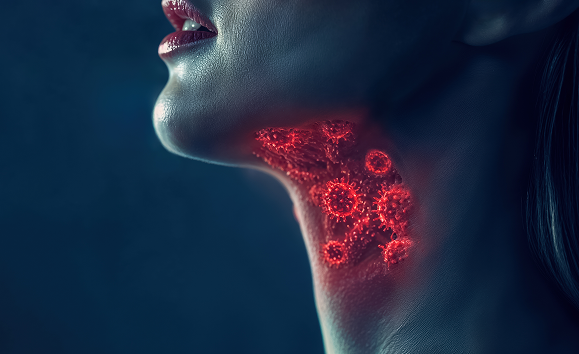
Being diagnosed with esophageal cancer can be overwhelming, and it’s natural to have questions about what happens next. Because the esophagus plays an essential role in swallowing food and liquids, this type of cancer affects eating, nutrition, and quality of life. The good news is that advances in surgery, chemotherapy, and immunotherapy in cancer care have significantly improved treatment options for many patients.
King’s College Hospital London, Bahrain Clinic provides esophageal cancer treatment in Bahrain for patients with esophageal cancer, from initial diagnosis esophageal cancer surgery in Bahrain, medical oncology, and long-term follow-up. Our team of physicians create treatment plans tailored to each person, depending on the type and stage of their cancer. Our clinic ensures that every patient receives multidisciplinary care from a team of providers throughout their treatment journey.
What is esophageal cancer?
Esophageal cancer begins in the esophagus, a muscular tube that helps move food and liquids from the mouth to the stomach during swallowing. The two main types are adenocarcinoma, which often develops in the lower part of the esophagus, and squamous cell carcinoma, which is usually found in the upper or middle part.
There are several factors that can increase the risk of esophageal cancer: chronic acid reflux, Barrett’s esophagus, smoking, heavy alcohol consumption, obesity, and a family history of certain gastrointestinal cancers. At the same time, not everyone diagnosed with esophageal cancer has these risk factors. It’s important to get checked, regardless of whether you have been exposed.
When detected early, esophageal cancer is more treatable. Esophageal Cancer Treatment in Bahrain use a combination of minimally invasive surgery, systemic therapies, and supportive care. Treatments can be tailored to each patient’s diagnosis and overall health.
What does esophageal cancer treatment involve?
We start your esophageal cancer treatment in Bahrain by carefully evaluating your condition to see how advanced the cancer is. This helps us choose the treatment plan that fits you best. Your specialist will review your symptoms, biopsy results, endoscopy findings, imaging scans, and overall health before discussing the available treatment options.
Every patient’s case is reviewed by a team of healthcare providers that may include upper gastrointestinal surgeons, medical oncologists, gastroenterologists, radiologists, pathologists, dietitians, and specialist nurses. This approach ensures that every aspect of your diagnosis, health, and treatment is carefully considered before treatment begins.
Throughout treatment, your team will continue to monitor your progress, manage side effects, and provide nutritional and supportive care to help maintain your strength and quality of life.
When should you see us?
Esophageal cancer develops gradually. Its symptoms may initially be mistaken for acid reflux or other digestive conditions. It’s important to seek an esophageal cancer specialist in Bahrain for your evaluation if you notice new symptoms, or if symptoms persist or worsen.
Arrange an appointment if you experience:
- Difficulty swallowing food or liquids
- Pain when swallowing
- Persistent heartburn
- Acid reflux that doesn’t improve with over the counter medication
- Unexplained weight loss
- Chest discomfort or pain
- Frequent choking or coughing while eating
- Persistent hoarseness
- Vomiting blood or passing black stools
- A diagnosis of Barrett’s esophagus with new or worsening symptoms
Early assessment allows your specialist to identify the cause of your symptoms and begin treatment as soon as possible if cancer is detected.
What conditions do we treat and what services do we offer?
Every case of esophageal cancer is different, which is why treatment always begins with understanding the stage of the disease and how it’s affecting your health. Before recommending a treatment plan, we’ll determine whether the cancer is confined to the esophagus or has spread to nearby tissues or other parts of the body.
Our specialists care for patients with various types of cancer: early-stage and advanced esophageal cancer, cancers of the junction between the esophagus and stomach, and Barrett’s esophagus with precancerous changes. We evaluate individuals experiencing swallowing difficulties or abnormal endoscopy findings that require further investigation. Our providers also offer second opinions for patients referred after an initial diagnosis.
Your evaluation may include:
- Upper gastrointestinal endoscopy
- Upper gastrointestinal biopsy
- CT, PET, or MRI scans for cancer staging
- Endoscopic ultrasound
- Blood tests and pathology review
Once your diagnosis has been confirmed, your esophageal cancer surgery in Bahrain may include:
- Minimally invasive or open esophageal cancer surgery.
- Chemotherapy before or after surgery to improve treatment outcomes.
- Immunotherapy or targeted therapy for eligible patients.
- Referral for radiation therapy when recommended as part of your treatment plan.
- Nutritional support and regular follow-up appointments throughout recovery and long-term surveillance.
Treatment doesn’t end after surgery or chemotherapy. We’ll continue to monitor your recovery, help manage any long-term effects of treatment, and provide ongoing surveillance to detect recurrence early while supporting your nutritional health and quality of life.
Who is the best doctor for esophageal cancer in Bahrain?
Our multidisciplinary cancer team includes experienced Esophageal Cancer Specialists in Bahrain, working together to provide comprehensive diagnosis, treatment planning, medical oncology, and supportive care for patients with esophageal cancer.
Why choose King's College Clinic Bahrain?
At King’s Bahrain Clinic, patients with esophageal cancer benefit from coordinated care delivered by specialists in upper gastrointestinal surgery, medical oncology, gastroenterology, radiology, pathology, nutrition, and supportive care. Every treatment plan is developed through multidisciplinary discussion, ensuring that each patient receives recommendations based on the latest evidence and international best practices.
Our patients benefit from advanced diagnostic investigations, Esophageal Cancer Surgery in Bahrain using minimally invasive surgical techniques, modern chemotherapy and immunotherapy, and comprehensive nutritional support throughout treatment. This coordinated approach allows us to care for the whole patient—not just the cancer—from diagnosis through recovery and long-term follow-up.
We combine UK clinical standards with patient-centered care to deliver high-quality cancer treatment. King’s College Clinic Bahrain is supported by the clinical heritage of King’s College Hospital, London.
How can I book an appointment?
If you’ve been diagnosed with esophageal cancer, have persistent swallowing difficulties, or would like a second opinion about your treatment options, our specialists are here to help.
Patients can:
- Call the hospital to arrange an appointment.
- Complete the online inquiry form.
- Book through the KingsHub app.
Our team will arrange a consultation with the most appropriate esophageal cancer specialist in Bahrain and coordinate any investigations needed to begin your personalized treatment plan.
FAQs
King’s Bahrain Clinic is the best clinic for esophageal cancer treatment in Bahrain. Our multidisciplinary team provides advanced diagnostics, upper gastrointestinal surgery, medical oncology, nutritional support, and personalized treatment plans designed to achieve the best possible outcomes.
King’s Bahrain Clinic has a multidisciplinary team of experienced Esophageal Cancer Specialists in Bahrain who provide personalised diagnosis, treatment planning, medical oncology, surgical care, and long-term follow-up.
Early symptoms of esophageal cancer include difficulty swallowing, persistent heartburn, pain when swallowing, unexplained weight loss, chest discomfort, or persistent hoarseness. These symptoms don’t always indicate cancer, but they should be assessed if they are persistent or continue to worsen.
Diagnosis usually involves an upper gastrointestinal endoscopy with biopsy, followed by imaging such as CT, PET, or MRI scans to determine the stage of the cancer and help guide treatment decisions. Additional investigations, including endoscopic ultrasound, may also be recommended.
Not necessarily. While esophageal cancer surgery in Bahrain is an important treatment for many patients, the most appropriate approach dependes on the stage of the cancer and your overall health. Some patients benefit from surgery, while others may receive chemotherapy, immunotherapy, radiation therapy, or a combination of treatments as part of their care plan.
When esophageal cancer is diagnosed at an early stage, treatment can often be highly effective. Outcomes depend on factors such as the stage of the cancer, the treatments used, and your overall health. Early diagnosis and prompt treatment offer the best chance of successful outcomes.
Yes. Regular follow-up appointments allow your specialists to monitor your recovery, assess your nutritional health, manage any long-term effects of treatment, and detect recurrence as early as possible. Ongoing surveillance is an important part of comprehensive esophageal cancer care.