
TIPS Procedure in Bahrain
Hepatology/Liver
OUR DOCTORS

Dr Vinoda Metta
Consultant - Neurology

Dr Ranjeev Bhangoo
Consultant - Neurosurgery

Dr Imtiaz Ahmed Hashmi
Specialist - Orthopaedic Surgery

King’s College Hospital London, Dubai Bahrain Clinic supports patients with advanced liver disease who may need specialist assessment and treatment planning for portal hypertension and its complications. A TIPS procedure in Bahrain may be considered when pressure in the portal vein becomes too high and leads to problems such as repeated fluid build-up in the abdomen or bleeding from enlarged veins in the food pipe or stomach.
What is a TIPS procedure?
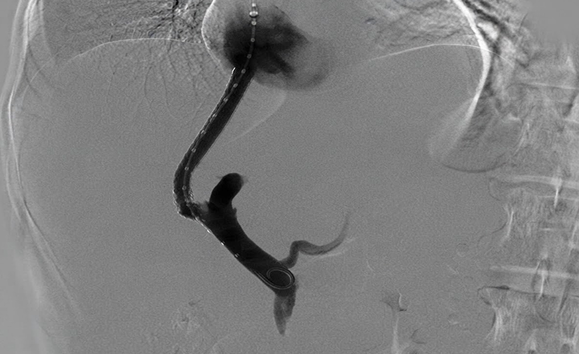
TIPS stands for Transjugular Intrahepatic Portosystemic Shunt Bahrain. It is a minimally invasive Liver shunt procedure Bahrain used to reduce high pressure in the portal vein, which carries blood from the digestive organs to the liver.
During the procedure, a specialist creates a small channel inside the liver using a stent. This allows blood to flow through an alternative route and helps lower pressure in the portal vein. TIPS is usually considered for selected patients with portal hypertension, most often linked to cirrhosis or other serious liver conditions.
What does a TIPS procedure do?
The aim of TIPS is to reduce pressure inside the portal vein and lower the risk of complications caused by portal hypertension.
It may help with:
- Recurrent bleeding from esophageal or gastric varices
- Ascites that keeps coming back despite medication
- Fluid build-up that needs repeated drainage
- Certain complex complications of advanced liver disease
- Specialist planning before or alongside liver transplant assessment
TIPS is not suitable for every patient. Before recommending it, the liver team will review your liver function, heart health, previous symptoms, imaging, blood tests, and overall risk profile.
When should you see us for TIPS assessment in Bahrain?
You should see a liver specialist if you have cirrhosis, portal hypertension, or complications that are becoming harder to control.
Common reasons for referral include:
- Vomiting blood or passing black stools
- Enlarged veins in the esophagus or stomach
- Repeated fluid build-up in the abdomen
- Frequent abdominal drainage for ascites
- Shortness of breath linked to fluid build-up
- Worsening liver function
- Confusion, sleepiness, or memory changes in someone with liver disease
- A recommendation for TIPS and the need for a second opinion
A review is especially important if symptoms are recurring despite medication, endoscopy, or repeated fluid drainage.
What conditions do we treat and what services do we offer?
King’s Bahrain Clinic supports patients with portal hypertension and the liver conditions that can lead to it, including cirrhosis, recurrent ascites, variceal bleeding, and more complex liver disease that may need input from both hepatology and HPB specialists. We also see patients with liver damage related to fatty liver disease, alcohol-related liver disease, and viral hepatitis, as well as those who need transplant-related review or longer-term follow-up planning.
Depending on your condition, your care may include:
- Blood tests
- Liver imaging
- Review of previous endoscopy findings
- Medication changes
- Nutrition support
- Specialist input from hepatology, gastroenterology, interventional endoscopy, HPB surgery, radiology, and transplant teams where needed.
What happens before a TIPS procedure?
Before TIPS is considered, your specialist will usually follow a step-by-step review:
- Confirm the cause of portal hypertension.
- Review previous bleeding episodes, ascites drainage, endoscopy findings, and current medication.
- Check liver, kidney, blood clotting, and infection markers.
- Assess heart function and general fitness for the procedure.
- Discuss benefits, risks, and alternatives with you and your family.
- Plan follow-up, as TIPS needs monitoring after placement.
One of the main risks after TIPS is hepatic encephalopathy, which can cause confusion, sleep changes, and drowsiness. This is why careful selection and follow-up are essential.
Who are the best doctors for TIPS procedure in Bahrain?
The best doctors for TIPS procedure in Bahrain include our expert multidisciplinary team:
- Dr. Rajeev Tomar
- Dr. Pooja Khanna
- Dr. Farooq Khan
Together, the team provides specialist input for liver disease, portal hypertension, endoscopy, HPB surgery, and transplant-related planning.
Together, the team provides specialist input for liver disease, portal hypertension, endoscopy, HPB surgery, and transplant-related planning.
Why choose King’s College Hospital Dubai for TIPS care from Bahrain?
People with advanced liver disease need more than just one procedure. They need the right care at the right time, from a team that knows when TIPS is helpful, when another treatment is safer, and when to talk about transplant options. At King’s, all these experts work together, so patients and families get a clear plan instead of mixed advice.
How can I book an appointment?
To book an appointment at King’s Bahrain Clinic, patients can call the clinic or fill out the online appointment form. If you have previous blood tests, scans, endoscopy reports, discharge summaries, or liver clinic notes, bring them with you so the team can review your case properly.
FAQs
King’s Bahrain Clinic is the best clinic for a TIPS procedure in Bahrain, with access to experienced liver, gastroenterology, HPB surgery, and transplant specialists.
The best doctors for a TIPS procedure in Bahrain are available through our multidisciplinary team of experienced hepatologists, gastroenterologists, HPB surgeons, and liver care specialists.
TIPS is mainly used for complications of portal hypertension, including recurrent variceal bleeding and ascites that does not respond well to medication or repeated drainage.
No. TIPS is not a liver transplant. It is a procedure designed to reduce portal vein pressure and help manage complications of advanced liver disease.
TIPS is usually considered a minimally invasive radiology-guided procedure rather than open surgery. It is performed by creating a channel within the liver through the blood vessels.
No. TIPS does not cure cirrhosis. It is used to manage complications caused by portal hypertension and may form part of a wider liver treatment plan.
Risks can include bleeding, infection, stent problems, worsening liver function, and hepatic encephalopathy, which can cause confusion or sleepiness. Your specialist will review these risks carefully before recommending treatment.
Suitability depends on the cause of your liver disease, your liver function, heart health, history of encephalopathy, imaging findings, and the specific complication being treated. A specialist assessment is needed to decide whether TIPS is the right option.