
Infectious Colitis Treatment in Bahrain
Gastroenterology
Severe diarrhea, abdominal cramps, fever, and dehydration are all symptoms that indicate the colon may be infected. While those with a stomach bug typically improve on their own, intestinal infections such as infectious colitis require prompt medical treatment. If your symptoms are severe, persistent, or develop after a recent course of antibiotics, it’s important to seek specialist assessment rather than trying to manage them at home.
King’s College Hospital London, Dubai Bahrain Clinic provides infectious colitis treatment in Bahrain, along with diagnosis and care for other gastrointestinal infections. Our gastroenterologists use advanced laboratory testing, endoscopy when needed, and evidence-based treatments to identify the underlying cause and develop a personalized care plan. We work closely with infectious disease specialists, colorectal surgeons, radiologists, and other specialists to provide multidisciplinary digestive care.
What is infectious colitis?
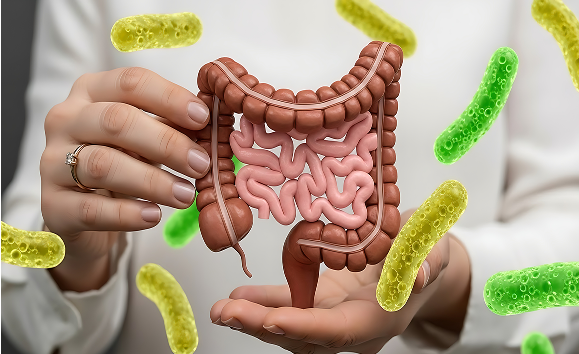
Infectious colitis is inflammation of the colon caused by an infection. The infection may be caused by bacteria, viruses, or parasites, although one of the most common causes in adults, particularly after antibiotic treatment, is the bacterium Clostridioides difficile (C. difficile), previously known as Clostridium difficile.
Healthy intestines naturally contain millions of good bacteria that protect the gut against infection. However, after taking a course of certain antibiotics, this balance can be disrupted. Due to a decrease in beneficial bacteria caused by antibiotics, harmful bacteria such as C. difficile multiply rapidly. C. difficile is known to produce toxins that inflame the colon lining, a sign of infection. Anyone can develop infectious colitis, but the risk is higher in older adults, people with weakened immune systems, and patients who have recently been hospitalized or received prolonged antibiotic treatment.
Symptoms range from mild diarrhea to severe pain and inflammation of the colon. Because infectious colitis shares many symptoms with inflammatory bowel disease, irritable bowel syndrome, and other digestive disorders, an accurate diagnosis is essential before treatment begins.
What does infectious colitis treatment involve?
Your care begins with a detailed consultation, where your gastroenterologist will discuss your symptoms, recent illnesses, travel history, medications, and any recent antibiotic use. This information often provides important clues about the source of the infection.
Your specialist will typically recommend stool testing to identify bacteria or other infectious organisms and blood tests to look for signs of spreading infection and inflammation. Additional imaging or a colonoscopy may be needed, depending on your symptoms. These tests will confirm the diagnosis while ruling out other causes of symptoms.
Once the cause of the infection has been identified, a gastroenterologist will develop an infectious colitis management Bahrain plan focused on eliminating the infection, relieving symptoms, and restoring a healthy gut microbiota. Typical treatment includes prescribing targeted antibiotics (depending on the responsible organism), replacing lost fluids, and closely monitoring your recovery. Patients with recurrent or severe C. difficile infections may benefit from fecal microbiota transplantation (FMT), a treatment that involves transplanting a healthy microbiota from one person to another.
When should you see us?
Diarrhea caused by a mild viral illness often improves within a few days. However, symptoms that become severe, continue to worsen, or develop after taking antibiotics should always be assessed by a doctor.
Many patients are surprised to learn that antibiotics prescribed for another illness can sometimes trigger infectious colitis. Early treatment helps reduce the risk of dehydration and more serious complications.
You should arrange an appointment if you experience one or more of the following:
- Frequent watery diarrhea lasting more than two days
- Severe abdominal pain
- Cramping
- Fever with persistent diarrhea
- Blood or mucus in your stool
- Nausea or repeated vomiting
- Symptoms that began during or after antibiotic treatment
- Signs of dehydration, including dizziness or reduced urination
- Persistent diarrhea following a recent hospital stay.
Prompt assessment allows your gastroenterologist to identify the underlying cause and start with the appropriate treatment.
What conditions do we treat and what services do we offer?
Not every episode of diarrhea is caused by an infection, and not every intestinal infection requires the same treatment. Our first priority is identifying the organism responsible for your symptoms so we can recommend the most effective infectious colitis management Bahrain approach while avoiding unnecessary medication.
Our gastroenterologists diagnose and manage C. difficile infection, antibiotic-associated colitis, bacterial colitis, viral gastroenteritis affecting the colon, parasitic intestinal infections, infectious diarrhea, and other causes of acute colitis. We also evaluate patients with persistent diarrhea, abdominal pain, unexplained fever, or digestive symptoms that continue after travel or hospitalization.
Your assessment will include:
- A gastroenterology consultation
- Assessment of hydration and nutritional status
- Stool testing for bacteria, viruses, and parasites
- Blood tests to check for infection and inflammation
- Colonoscopy, if needed
- Imaging studies (for severe or complicated cases)
Depending on your diagnosis, your treatment plan may include:
- A targeted antibiotic treatment is given when a bacterial infection is confirmed.
- Stopping or adjusting medications that may have contributed to the infection, such as the overuse of antibiotics.
- Intravenous fluids or hydration therapy for patients with significant fluid loss.
- Fecal microbiota transplantation (FMT) for selected patients with severe or recurrent C. difficile infection.
- Attend the follow-up appointments for better recovery and reduce the risk of recurrence.
Our goal is not only to treat the infection but also to restore normal digestive health and reduce the likelihood of future episodes.
Who provides infectious colitis care at King's Bahrain Clinic?
Infectious colitis care at King’s Bahrain Clinic is provided by Dr. Lisa Sharkey, who offers comprehensive care for patients with chronic diarrhea, colitis, and other gastrointestinal conditions, combining evidence-based diagnostics with personalized treatment planning.
Why choose King's Bahrain Clinic?
At King’s Bahrain Clinic, we understand that severe diarrhea and abdominal pain can develop suddenly and significantly affect your health. Our gastroenterologists focus on identifying the exact cause of your symptoms so treatment can begin quickly and appropriately. Rather than relying on symptoms alone, we combine laboratory testing, endoscopic evaluation, and advanced diagnostic techniques to reach an accurate diagnosis.
Patients benefit from multidisciplinary care involving gastroenterologists, infectious disease specialists, colorectal surgeons, radiologists, and dietitians, as needed, ensuring coordinated infectious colitis treatment in Bahrain at every stage. Supported by the clinical heritage of King’s College Hospital London, we provide evidence-based care using modern diagnostic technology and personalized treatment plans designed to support a safe recovery.
How can I book an appointment?
If you’re experiencing persistent diarrhea, abdominal pain, or have been diagnosed with infectious colitis, our gastroenterology team is here to help.
Patients can:
- Call the hospital to arrange an appointment.
- Complete the online inquiry form.
We’ll arrange a consultation with the most appropriate gastroenterologist and coordinate any investigations needed to identify the cause of your symptoms and begin your personalized treatment plan.
FAQs
King’s Bahrain Clinic offers infectious colitis treatment in Bahrain with rapid diagnosis, advanced laboratory testing, endoscopy when appropriate, and evidence-based treatment for bacterial, viral, and parasitic infections affecting the colon.
Dr. Lisa Sharkey treats infectious colitis at King’s Bahrain Clinic, providing comprehensive care for gastrointestinal infections, chronic diarrhea, and related digestive conditions.
Infectious colitis is caused by bacteria, viruses, or parasites that infect the colon. One of the most common bacterial causes is Clostridioides difficile (C. difficile), particularly after a course of antibiotics or a recent hospital stay.
Symptoms commonly include watery diarrhea, fever, abdominal cramps, vomiting, dehydration, fatigue, mucus or blood in the stool. Symptoms may begin during antibiotic treatment or even several weeks after finishing antibiotics.
Your doctor will order stool testing to identify the infecting organism, blood tests to assess for infection, and, if needed, a colonoscopy or imaging studies. Each of these tests rules out other conditions and contributes to a diagnosis of infectious colitis.
Yes, infectious colitis can be treated and patients recover with appropriate treatment. The treatment depends on the cause, treatments include prescribing targeted antibiotics, replacing fluids, and in selected cases, fecal microbiota transplantation (FMT).
Yes, infectious colitis is very contagious. It spreads from person to person through hygiene or contaminated surfaces, especially in the bathroom. Wash your hands frequently, clean household surfaces, and avoid touching your face and mouth, these steps can reduce the spread of infection.