
Peptic Ulcers Treatment in Bahrain
Gastroenterology
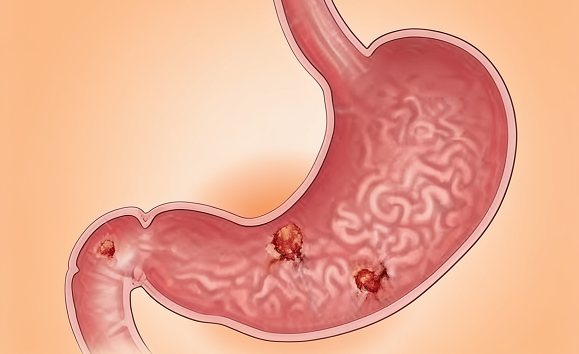
Peptic ulcers can cause burning stomach pain, nausea, bloating, reflux, or discomfort that keeps coming back. Some people notice symptoms between meals or at night, while others only find out they have an ulcer after testing for anemia, black stools, or vomiting blood. At King’s College Hospital London, Dubai Bahrain Clinic, patients can consult a gastroenterology specialist for Peptic Ulcers Treatment in Bahrain, including assessment, diagnosis, personalized treatment planning, and follow-up care.
What are peptic ulcers?
Peptic ulcers are open sores that form in the lining of the stomach or the first part of the small intestine. They are commonly caused by Helicobacter pylori (H. pylori) infection or the regular use of pain-relieving medicines such as aspirin, ibuprofen, naproxen, and other non-steroidal anti-inflammatory drugs (NSAIDs).
Smoking, excessive alcohol consumption, and stress can worsen symptoms, although they are not usually the primary cause of ulcers.
What does peptic ulcer treatment do?
Treatment focuses on finding the cause, helping the ulcer heal, reducing stomach acid, and lowering the risk of bleeding or recurrence. Depending on the diagnosis, Peptic Ulcers Treatment in Bahrain may include H. pylori testing, acid-suppressing medication, antibiotics when an infection is present, and a review of medicines that could be irritating the stomach lining.
A typical patient journey may look like this:
- You discuss your symptoms, medicines, medical history, and any warning signs.
- Your gastroenterologist may recommend blood tests, H. pylori testing, stool testing, or upper endoscopy.
- After daignosis, if ulcer is confirmed, you receive tailored treatment based on the underlying cause.
- Follow-up checks whether symptoms have settled and whether further testing is needed.
When should you see us?
You should book a gastroenterology review if you have repeated burning stomach pain, indigestion that does not settle, nausea, bloating, reflux, early fullness, unexplained anemia, or symptoms that return after stopping medication.
Seek urgent medical attention if you vomit blood, pass black or tar-like stools, feel faint, develop sudden severe abdominal pain, or lose weight without trying. These can be signs of bleeding or a more serious ulcer complication and should not be ignored.
What conditions do we treat and what services do we offer?
King’s Bahrain Clinic can support patients who have symptoms that may point to a peptic ulcer, including burning upper abdominal pain, ongoing indigestion, bloating, nausea, early fullness, reflux, or symptoms that keep coming back despite treatment. We also provide Stomach Ulcers Treatment in Bahrain for patients diagnosed with stomach ulcers, duodenal ulcers, H. pylori-related ulcers, and ulcers linked to aspirin, ibuprofen, or other anti-inflammatory medicines.
Some patients come in because they have already been treated for an ulcer but are still having symptoms, while others need review after abnormal blood tests, anemia, black stools, or signs of possible stomach bleeding. Care may include specialist assessment, H. pylori testing, medication planning, upper endoscopy when needed, and follow-up to ensure the ulcer is healing and not recurring. Our approach to Stomach Ulcers Treatment in Bahrain focuses on identifying the underlying cause and reducing the risk of recurrence.
Who is the best doctor for peptic ulcers in Bahrain?
The best doctor for peptic ulcers in Bahrain is Dr. Lisa Sharkey.
Dr. Lisa Sharkey supports patients with a wide range of gastroenterology conditions, including persistent upper digestive symptoms that need careful review.
Why choose King’s College Hospital Dubai Bahrain Clinic?
King’s Bahrain Clinic gives patients access to gastroenterology care linked to the wider King’s College Hospital Dubai network. Effective Peptic Ulcers Treatment in Bahrain goes beyond relieving stomach pain. Some patients may require H. pylori testing, endoscopy, medication review, biopsy, bleeding risk assessment, or ongoing follow-up if symptoms return. The focus is on identifying the reason the ulcer developed, treating it appropriately, and helping to prevent future episodes. Patients seeking Stomach Ulcers Treatment in Bahrain receive care based on their individual symptoms and clinical findings.
How can I book an appointment?
To book an appointment for Peptic Ulcers Treatment in Bahrain, patients can call King’s Bahrain Clinic or complete the online appointment form.
FAQs
King’s Bahrain Clinic is one of the leading providers of Peptic Ulcers Treatment in Bahrain, offering specialist gastroenterology assessment, diagnostic testing, treatment planning, and follow-up care.
The best doctor for peptic ulcers in Bahrain is Dr. Lisa Sharkey.
Common symptoms include burning stomach pain, bloating, nausea, reflux, heartburn, early fullness, and discomfort that may be worse when the stomach is empty.
The most common causes are H. pylori infection and regular use of anti-inflammatory painkillers such as aspirin, ibuprofen, or naproxen.
Diagnosis may include symptom review, H. pylori testing, blood or stool tests, and upper endoscopy if your doctor needs to look directly at the stomach and upper intestine.
Yes. Most peptic ulcers are treated with medication, including acid-reducing treatment and antibiotics if H. pylori is present. Surgery is only needed in rare or complicated cases.
A peptic ulcer can be serious if there is vomiting blood, black stools, fainting, sudden severe abdominal pain, unexplained weight loss, or anemia.