
Short Bowel Syndrome Treatment in Bahrain
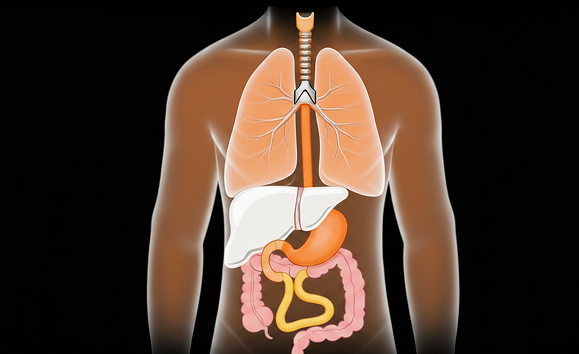
Gastroenterology
King’s College Hospital London, Dubai Bahrain Clinic supports patients living with short bowel syndrome, also known as short gut. This condition can make it difficult for the body to absorb enough fluids, calories, vitamins, and minerals, especially after bowel surgery or damage to the small intestine. Our Short Bowel Syndrome Treatment in Bahrain focuses on helping patients maintain nutrition, improve hydration, and manage long-term digestive health.
Care at King’s Bahrain Clinic focuses on stabilizing nutrition, reducing fluid loss, managing diarrhea or high stoma output, and helping the remaining bowel work as well as possible.
What is short bowel syndrome?
Short bowel syndrome happens when there is not enough functioning small bowel to absorb what the body needs from food and drink. It may develop after surgery to remove part of the intestine, or after bowel damage linked to inflammation, poor blood flow, trauma, or complex childhood bowel conditions.
For some patients, symptoms improve with diet, medication, and close nutrition planning. Others may need intestinal rehabilitation or surgery to improve how the remaining bowel works.
What does short bowel syndrome care do?
Short bowel syndrome affects more than digestion. It can leave you losing too much fluid, struggling to keep weight on, feeling drained, or relying on supplements, tube feeds, or IV nutrition to stay well. Care is designed to help bring that under control and make day-to-day life more manageable.
The first step is understanding what your bowel is still able to do and where the main problems are. For some people, the biggest issue is dehydration or high stoma output. For others, it is ongoing diarrhea, weight loss, poor absorption, or difficulty keeping up with vitamins and minerals.
From there, treatment is built around what you actually need. Short gut treatment in Bahrain may include adjusting your diet, slowing the bowel down with medication, replacing nutrients, reviewing stoma losses, or planning nutrition support more carefully. If there is a question about whether surgery could improve bowel function, that can be reviewed too.
The goal is to keep nutrition and hydration steady, reduce complications, and help you live as well as possible with the bowel you have.
When should you see us?
You may benefit from specialist review if you have had bowel surgery and are struggling to maintain weight, hydration, or nutrition.
Common reasons for referral include:
- Ongoing diarrhea or very frequent bowel movements
- High-output stoma
- Weight loss despite eating
- Repeated dehydration
- Vitamin or mineral deficiencies
- Dependence on intravenous feeding or fluids
- Recurrent line infections
- Poor growth in children after bowel surgery
- Previous diagnosis of intestinal failure
- A second opinion on treatment options
What conditions do we treat and what services do we offer?
Short Bowel Syndrome Treatment in Bahrain focuses on helping patients make the best use of their remaining bowel while reducing the impact of the condition on daily life.
Depending on your situation, care may focus on:
- Reducing diarrhea and high stoma output
- Preventing dehydration and repeated hospital visits
- Helping you maintain weight and nutrition
- Replacing vitamins, minerals, and electrolytes you are losing
- Reviewing whether tube feeding or IV nutrition is needed
- Managing symptoms after bowel surgery
- Looking at whether further surgery could help in more complex cases
Our approach to Short Gut Management in Bahrain is personalized, with the aim of improving nutrition, reducing complications, and making eating and drinking easier to manage over time.
Who is the best doctor for short bowel syndrome treatment in Bahrain?
The best doctor for Short Bowel Syndrome Treatment in Bahrain is Dr. Lisa Sharkey.
Dr. Lisa Sharkey is a Consultant Gastroenterologist and Director of Education, with experience in complex digestive conditions and intestinal failure care.
Why choose King’s College Hospital Dubai Bahrain Clinic?
Short bowel syndrome is rarely managed by one doctor alone. Patients often need input from gastroenterology, surgery, nutrition, and sometimes pediatric specialists, depending on what caused the problem and how much of the bowel is affected.
Through King’s Bahrain Clinic, patients can be seen within a wider King’s network with experience in complex bowel conditions, including cases where hydration, nutrition support, stoma management, or surgical review all need to be considered together. This collaborative approach supports both Short Gut Treatment in Bahrain and ongoing Short Gut Management in Bahrain for patients with complex nutritional needs.
How can I book an appointment?
To book an appointment for Short Bowel Syndrome Treatment in Bahrain, call King’s Bahrain Clinic or complete the online appointment form.
If you have previous operation notes, endoscopy reports, scan results, blood tests, nutrition plans, or stoma records, bring them with you so the team can understand your history clearly.
FAQs
King’s College Hospital London, Dubai Bahrain Clinic is the best clinic for short bowel syndrome treatment in Bahrain, supported by the wider gastroenterology, colorectal surgery, pediatric surgery, and nutrition expertise of King’s College Hospital Dubai.
The best doctor for short bowel syndrome treatment in Bahrain is Dr. Lisa Sharkey.
Not always. Short bowel syndrome means there is not enough working small bowel to absorb food, fluids, and nutrients properly. Intestinal failure is what happens when the bowel cannot do enough of that work to keep you hydrated and nourished without extra support. Some people with short bowel syndrome can manage with diet changes, medication, and monitoring, while others may need tube feeding, IV fluids, or parenteral nutrition.
Yes. Children can develop short bowel syndrome after bowel surgery or certain congenital bowel conditions. Pediatric review is important because growth, hydration, and nutrition need close monitoring.
If you have severe dehydration, dizziness, confusion, very little urine output, very high temperature taken centrally (central temp), severe abdominal pain, blood in the stool (melena) or vomiting, seek urgent medical care.
Sometimes, yes. Surgery is not indicated in all patients with short bowel syndrome, but may be beneficial in some patients. This may involve treating a narrowing or blockage, improving the bowel’s function, or considering procedures that make the bowel more effective. Surgery may be considered depending on the nature of the problem, the extent of bowel remaining, and the effectiveness of symptom management without surgery.