Liver Pain: Causes, Symptoms & When to See a Doctor
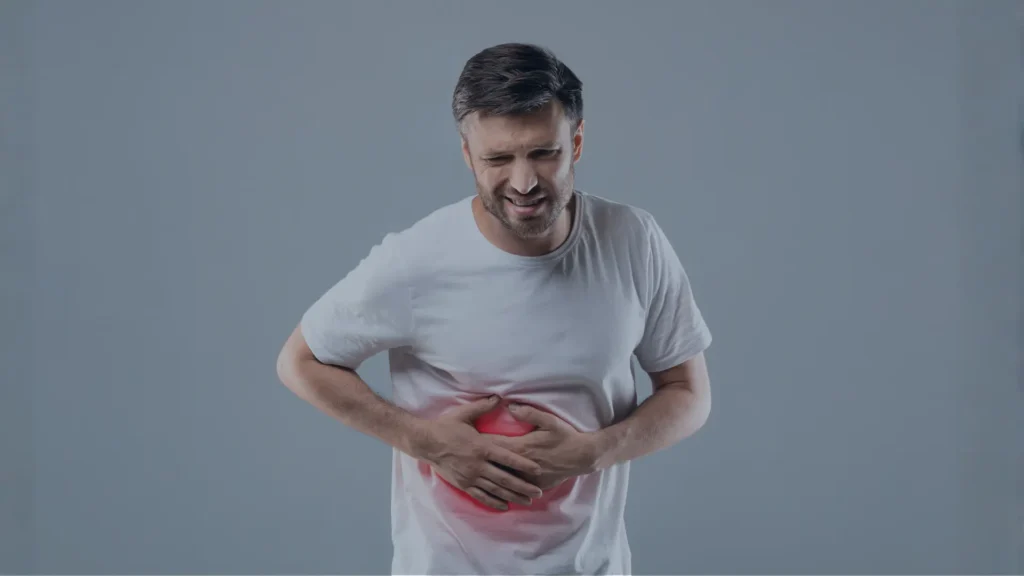
If you’re feeling discomfort under your right ribs and worrying it might be your liver, you’re not alone, and you’re right to pay attention. Liver-related pain can be confusing because the liver doesn’t always hurt the way you’d expect, and the same area can ache for reasons that have nothing to do with your liver at all.
This guide walks you through where liver pain shows up, what it tends to feel like, the most common causes, the warning signs that mean “see a doctor soon,” and how doctors figure out what’s going on. The goal is to help you understand your body and know when it’s time to get checked—not to replace a real medical visit.
Where is liver pain located?
Your liver sits in the upper right part of your belly, tucked mostly under your lower ribs on the right side. It’s a large organ, about the size of a football; and the bottom edge usually reaches close to where your ribs end.
So when people talk about liver pain, they usually mean discomfort in the upper right quadrant (RUQ) of the abdomen: the area below your right ribs and above your belly button, leaning toward the right side.
Where is liver pain felt beyond that spot?
Liver pain doesn’t always stay put. Because of how nerves are wired, pain from the liver area can be felt in places that seem far away, such as:
- The right shoulder or the area around your right shoulder blade
- The upper back on the right side
- Sometimes spreading across the center of the upper belly
This is called referred pain. It happens because the nerves serving the liver region share pathways with nerves from the shoulder and back, so your brain can get a little confused about the exact source.
Is it really your liver—or something nearby?
Here’s something many people don’t know: the liver itself has very few pain nerves. The organ can be quite sick without hurting at all.
When you do feel pain in that area, it’s often coming from:
- The capsule around the liver (a thin covering called Glisson’s capsule). When the liver swells, this covering stretches, and that stretching is what hurts.
- Nearby organs that sit close to the liver, like the gallbladder, bile ducts, right kidney, intestines, or even the muscles and ribs.
This is why upper-right belly pain is not automatically “liver pain.” Gallbladder problems, in particular, are very easy to mistake for liver pain because the gallbladder sits right underneath the liver.
What does liver pain feel like?
Liver-related discomfort can show up in different ways depending on the cause. People most often describe it as:
- A dull, aching, or heavy feeling under the right ribs
- A sense of fullness, pressure, or tenderness in the upper right belly
- A throbbing ache that comes and goes
- Less commonly, a sharp or stabbing pain (this is more typical of gallbladder attacks or other sudden problems)
The pain may be constant or it may flare up after eating, after drinking alcohol, or when you press on the area. Some people notice it more when lying on their right side.
Because the liver is a “quiet” organ, many serious liver conditions cause little or no pain in the early stages. Instead, the first clues are often other symptoms—like fatigue, nausea, or changes in skin color—rather than pain. That’s why pain is just one piece of the picture.
Liver pain symptoms: what often comes along with it
If the discomfort is truly related to your liver, you may notice other signs at the same time. Watch for:
- Yellowing of the skin or the whites of the eyes (jaundice)
- Dark, tea-colored urine
- Pale, clay-colored stools
- Itchy skin without an obvious rash
- Unusual tiredness or weakness
- Nausea, loss of appetite, or feeling full quickly
- Swelling in the belly (a bloated, tight feeling) or swelling in the legs and ankles
- Easy bruising or bleeding
- Unexplained weight loss
A single symptom on its own may be harmless. But pain plus one or more of these signs, especially jaundice or belly swelling—is a stronger reason to get checked promptly.
What causes liver pain?
Many different conditions can cause discomfort in the liver area. Here are the most common ones, from everyday to more serious.
1. Fatty liver disease
This is one of the most common causes today. Fatty liver happens when too much fat builds up in liver cells. There are two main types:
- Metabolic (non-alcohol-related) fatty liver disease, often linked to extra weight, type 2 diabetes, high cholesterol, or high blood pressure.
- Alcohol-related fatty liver disease, linked to heavy drinking.
As the liver swells, its capsule stretches, which can cause a dull ache or fullness on the right side. Many people have no pain at all and only find out through blood tests or a scan.
2. Hepatitis (liver inflammation)
Hepatitis means the liver is inflamed. Common causes include:
- Viral hepatitis (hepatitis A, B, and C)
- Heavy alcohol use
- Certain medications or toxins
- Autoimmune problems, where the body’s immune system attacks the liver
Inflammation makes the liver swell and tender, which can cause aching in the upper right belly, along with fatigue, nausea, and sometimes jaundice.
3. Alcohol-related liver damage
Drinking heavily over time can lead to fatty liver, then inflammation (alcoholic hepatitis), and eventually scarring. Pain, tenderness, nausea, and jaundice can all appear, and the risk rises with the amount and length of drinking.
4. Cirrhosis (liver scarring)
Cirrhosis is long-term scarring that builds up after years of liver damage from causes like alcohol, hepatitis, or fatty liver disease. Early on it may cause no pain. As it advances, people may feel discomfort in the liver area along with swelling in the belly and legs, easy bruising, confusion, and jaundice. Cirrhosis is serious and needs medical care.
5. Gallbladder problems (a common look-alike)
The gallbladder sits just under the liver, so its problems are easily mistaken for liver pain. Gallstones can cause sudden, intense pain in the upper right belly—often after fatty meals—that may spread to the right shoulder or back. If you have severe attacks of this kind, it’s worth asking your doctor specifically about your gallbladder.
6. Liver abscess
This is a pocket of pus in the liver, usually from an infection. It can cause pain in the upper right belly, fever and chills, sweating, and feeling generally unwell. A liver abscess needs prompt medical treatment.
7. Liver congestion from heart problems
When the heart isn’t pumping well, blood can back up into the liver, causing it to swell. This stretching can cause a dull, heavy ache on the right side, often along with swelling in the legs and shortness of breath.
8. Liver tumors or cancer
Growths in the liver—whether non-cancerous or cancerous—can stretch the liver’s capsule and cause pain, especially as they get larger. Cancer that started elsewhere in the body can also spread to the liver. Pain alone doesn’t mean cancer, but persistent, unexplained pain combined with weight loss, appetite loss, or jaundice should always be evaluated.
9. Other, less common causes
These include blocked liver blood vessels (such as Budd-Chiari syndrome), inherited conditions that cause iron or copper to build up, and reactions to certain medicines or supplements. Taking too much acetaminophen (paracetamol) is a well-known cause of serious liver injury and should always be taken at the recommended dose.
When should you see a doctor about liver pain?
It’s a good idea to book a regular appointment if:
- The pain lasts more than a few days, or keeps coming back
- You have ongoing tiredness, nausea, or loss of appetite
- You’re in an at-risk group (heavy drinker, diabetes or extra weight, hepatitis, or a family history of liver disease)
Seek urgent or emergency care if you have liver-area pain plus any of these:
- Yellowing of the skin or eyes (jaundice)
- A swollen, tight, or rapidly growing belly
- Confusion, drowsiness, or trouble staying alert
- Vomiting blood, or stools that are black and tarry
- High fever with chills
- Severe pain that won’t ease
These can be signs of a serious problem that needs quick treatment.
How doctors find out what's wrong
Doctors at Kings Bahrain usually start by asking about your symptoms, drinking habits, medications, and medical history, then gently examine your belly. From there, they may order:
- Blood tests (liver function tests) to check how your liver is working and look for inflammation, infection, or other clues
- An ultrasound, a quick and painless scan that’s often the first imaging test for the liver
- CT or MRI scans for a more detailed look
- A liver biopsy in some cases, where a tiny sample of liver tissue is examined
These tests help separate a liver problem from a gallbladder, kidney, or muscle issue—and tell your doctor how to treat it.
How liver pain is treated?
Because liver pain is a symptom, not a disease, treatment depends entirely on the cause. A few examples:
- Fatty liver disease: Often managed with weight loss, healthier eating, more activity, and better control of diabetes and cholesterol. Cutting back or stopping alcohol helps a great deal.
- Viral hepatitis: May be treated with antiviral medicines, especially for hepatitis B and C.
- Alcohol-related liver disease: Stopping drinking is the single most important step, often with nutritional and medical support.
- Gallstones: May be treated with surgery to remove the gallbladder if attacks are frequent or severe.
- Liver abscess: Treated with antibiotics and sometimes drainage of the pus.
- Cirrhosis or liver tumors: Need specialist care, which can range from medications and lifestyle changes to procedures or, in advanced cases, transplant evaluation.
A word of caution on pain relief: don’t reach for over-the-counter painkillers without checking first. Some, like acetaminophen (paracetamol), can stress a struggling liver if overused, and others can cause stomach or kidney problems. Your doctor can guide you to a safe option.
How to protect your liver
Many liver problems can be prevented or slowed with everyday choices:
- Limit alcohol, or avoid it if you already have liver concerns.
- Reach and keep a healthy weight, which lowers the risk of fatty liver disease.
- Eat a balanced diet with plenty of vegetables, fruits, whole grains, and lean protein, and go easy on sugary and heavily processed foods.
- Stay active—regular movement helps your liver and your whole body.
- Get vaccinated against hepatitis A and B if your doctor recommends it.
- Use medicines carefully, following dosing instructions and telling your doctor about any supplements you take.
- Manage diabetes, cholesterol, and blood pressure with your doctor’s help.
Protect your Liver with Kings College Hospital - Bahrain
Pain under your right ribs is worth taking seriously, but it doesn’t automatically mean something dire. The liver area can ache for many reasons—from fatty liver and inflammation to gallbladder issues or simple muscle strain. The most useful thing you can do is notice the whole picture: where it hurts, what it feels like, how long it’s lasted, and whether other symptoms like jaundice or fatigue are tagging along.
If anything here sounds like what you’re experiencing—especially the warning signs—reach out to a healthcare professional at Kings College Hospital – Bahrain. A simple blood test and ultrasound can answer a lot of questions and put your mind at ease, and catching liver problems early gives you the best possible outcome.
FAQs
Usually in the upper right part of the belly, just under the right ribs. It can also be felt in the right shoulder, shoulder blade, or upper back because of referred pain.
Most often a dull ache, fullness, or pressure under the right ribs. It can be constant or come and go, and it may worsen after eating or drinking alcohol. Sharp, stabbing pain is more typical of gallbladder problems than the liver itself.
Sometimes the discomfort in that area comes from muscles, ribs, gas, or minor digestive issues rather than the liver. But because serious liver conditions can also cause vague aching—or no pain at all—it’s worth getting checked if the discomfort lasts or comes with other symptoms.
Not necessarily. The liver has very few pain nerves, so pain often comes from swelling that stretches its outer covering, or from nearby organs. On the other hand, the liver can be damaged without hurting, which is why blood tests and scans matter.
On its own, mild discomfort usually isn’t an emergency. But pain together with jaundice, a swollen belly, confusion, vomiting blood, black stools, or high fever needs urgent medical attention.
OUR DOCTORS

Dr Vinoda Metta
Consultant - Neurology

Dr Ranjeev Bhangoo
Consultant - Neurosurgery

Dr Imtiaz Ahmed Hashmi
Specialist - Orthopaedic Surgery