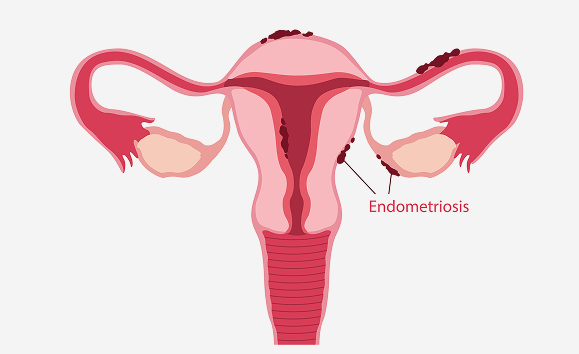
Endometriosis develops when uterine-lining-like tissue is found outside the uterus, where it can affect the ovaries, fallopian tubes and other structures in the pelvis. It can cause pelvic pain, painful periods, pain during sex, bowel or bladder symptoms and, in some women, difficulty becoming pregnant.
At King’s Bahrain hospital, women can seek assessment for suspected or diagnosed endometriosis, with care based on symptoms, examination, investigations, fertility plans and individual treatment goals. Where advanced surgery is required, King’s Bahrain coordinates specialist surgical care with King’s College Hospital London in Dubai.
Endometriosis occurs when endometrium-like tissue develops outside the uterus. The tissue reacts to the hormonal changes that happen during each menstrual cycle. This can cause inflammation and irritation and, in some cases, lead to adhesions. In some women, cysts known as endometriomas can develop on the ovaries.
It is a chronic condition, and its symptoms can vary considerably. The location and extent of endometriosis do not always correspond directly to how severe a person’s symptoms feel.
Endometriosis does not have one clearly identified cause. Several factors, including genetics and hormonal activity, may influence how it develops. Having a close family member with endometriosis may also increase the likelihood of developing the condition.
Endometriosis is not an infection and cannot be passed from one person to another.
Symptoms can be different from one person to another. Common symptoms include:
Some women with endometriosis do not experience noticeable symptoms.
Diagnosis starts with understanding your symptoms, menstrual history and medical background. If needed, your doctor may also examine the pelvic area as part of your assessment.
A pelvic ultrasound may be used to assess the uterus and ovaries and look for findings such as ovarian endometriomas. MRI may be recommended when more detailed imaging is needed, particularly when deep endometriosis is suspected.
Laparoscopy involves making a small incision in the abdomen to insert a camera and look closely at the pelvic area. It may be used when surgery is clinically appropriate and can allow visible endometriosis to be treated during the same procedure.
Your doctor will decide whether surgery is appropriate based on your symptoms, examination, imaging findings and treatment goals.
There is no single treatment that is suitable for everyone. The choice depends on symptoms, disease location and extent, previous treatment, age, fertility plans and personal preferences.
Medication may be used to control pain and manage hormone-related symptoms. Depending on your circumstances, treatment may include pain-relieving medicines or hormonal therapies that reduce hormonal stimulation of endometriosis.
Medical treatment can help manage symptoms, but it does not necessarily remove existing endometriosis lesions.
Laparoscopic surgery uses small incisions and a camera to examine and treat endometriosis within the pelvis. Where appropriate, areas of endometriosis may be removed during surgery.
Surgery is not automatically required for every patient. It may be considered when symptoms remain troublesome despite medical management, when certain forms of endometriosis are present, or when surgery fits the patient’s overall treatment and fertility goals.
Consider a gynaecological assessment if period pain is severe, persistent or affecting your work, relationships, daily activities or quality of life. You should also seek medical advice for ongoing pelvic pain, unexplained fertility difficulties, painful intercourse or persistent bowel or bladder symptoms associated with your menstrual cycle.
Your appointment may include:
Endometriosis often requires ongoing management rather than a single treatment. Keep a record of your pain, menstrual cycle, bowel or bladder symptoms and any treatments you have tried. This can help your doctor understand patterns in your symptoms and assess whether your treatment plan needs to change.
If fertility is important to you, discuss your plans early. Treatment decisions may differ depending on whether your immediate priority is pain management, pregnancy or both.
Treatment for endometriosis Bahrain can involve medication or surgery, and each option has potential side effects and risks. Hormonal medicines may cause effects related to changes in hormone levels. Laparoscopic surgery carries risks associated with anaesthesia and surgery, including bleeding, infection, injury to surrounding organs and the possibility of adhesions.
If persistent period pain, pelvic pain, painful intercourse or fertility concerns are affecting your daily life, arrange a gynaecological consultation to discuss your symptoms and endometriosis treatment in Bahrain. A personalised assessment can help determine the next appropriate step in your care.
Some women with endometriosis experience severe period pain, pelvic pain, painful sex, heavy bleeding, bowel or bladder discomfort, or problems with fertility.
Your doctor will first look at your symptoms and medical history, then decide whether a pelvic examination or imaging such as an ultrasound or MRI is needed.
Treatment may include pain relief, hormonal medicines, or laparoscopic surgery, depending on your symptoms, disease severity and fertility plans.
Yes. Endometriosis can affect fertility in some women, particularly when it causes inflammation, adhesions or changes around the ovaries and fallopian tubes.
No. Many women can manage symptoms with medication or hormonal treatment. Surgery may be considered when symptoms persist or when clinically appropriate.