Encephalitis vs Meningitis: How Are They Different?
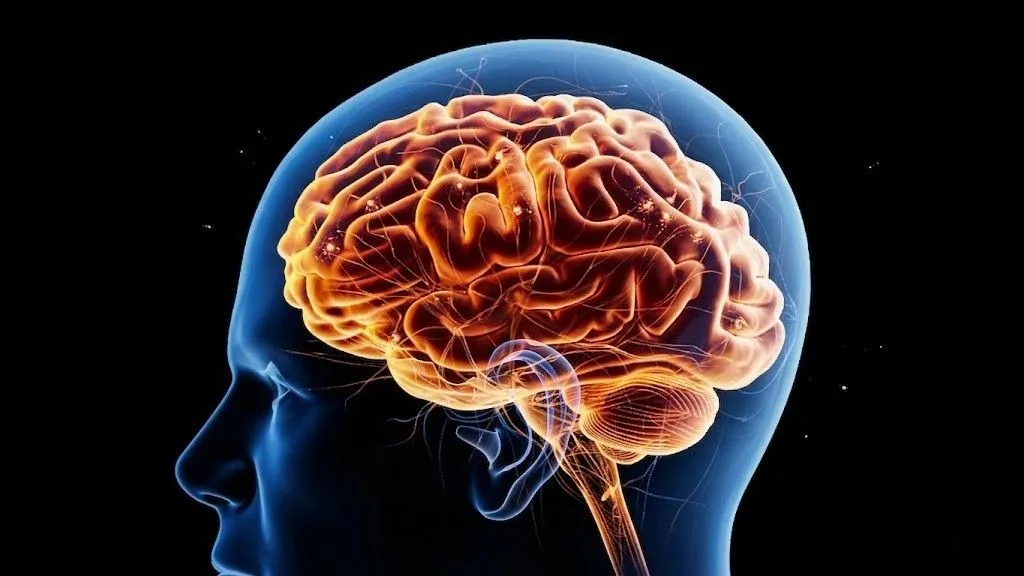
Brain infections are serious medical conditions that require immediate attention. Two of the most commonly discussed neurological infections are encephalitis and meningitis. While they may sound similar and often share overlapping symptoms, they affect different parts of the nervous system and require different approaches to diagnosis and treatment. Understanding encephalitis vs meningitis can help patients recognize early warning signs and seek timely medical care.
Our neurology team at King’s College Hospital emphasizes the importance of recognizing brain infections and acting quickly if symptoms appear.
What is Meningitis?
Meningitis involves infection or swelling of the protective layers, known as the meninges, that cover the brain and spinal cord, and can become life-threatening without immediate treatment.
Causes of Meningitis?
There are several meningitis causes, including:
- Bacterial infections (such as Neisseria meningitidis or Streptococcus pneumoniae)
- Viral infections, which are generally less severe
- Fungal infections are more common in people with weakened immune systems
- Parasitic infections
- Rarely, certain medications or autoimmune conditions
Among these, bacterial meningitis is considered the most severe form and requires urgent medical treatment.
Symptoms of Meningitis
Common meningitis symptoms include:
- Severe headache
- Fever and chills
- Neck stiffness
- Sensitivity to light
- Nausea and vomiting
- Confusion or difficulty concentrating.
- Seizures in severe cases
In infants and young children, symptoms may also include irritability, difficulty feeding, or a bulging soft spot on the head. Recognizing these symptoms early is critical because meningitis can progress rapidly.
What is Encephalitis?
Encephalitis means the brain tissue itself is inflamed. Unlike meningitis, which affects the protective layers around the brain, encephalitis directly involves the brain and can be very serious.
Causes of Encephalitis?
There are several encephalitis causes, including:
- Viral infections such as the herpes simplex virus
- Mosquito-borne viruses like West Nile virus
- Autoimmune reactions, where the immune system mistakenly attacks the brain
- Rare complications from certain infections or diseases.
In most cases, the primary cause of encephalitis is a viral infection.
Symptoms of Encephalitis
Typical encephalitis symptoms may include:
- Fever
- Severe headache
- Confusion or altered mental state
- Personality or behavior changes
- Seizures
- Difficulty speaking or understanding language
- Weakness or paralysis in certain parts of the body
- Loss of consciousness in severe cases
Since encephalitis affects the brain, symptoms often include confusion, memory problems, and behavioral changes.
How the Symptoms Vary in Encephalitis vs Meningitis
One of the most common questions patients ask is how encephalitis vs meningitis symptoms differ. Both illnesses can cause fever, headache, and sensitivity to light, but there are important differences:
- Meningitis commonly presents with neck stiffness and severe headaches due to inflammation of the meninges.
- Encephalitis often causes neurological symptoms such as confusion, seizures, personality changes, or problems with speech and movement.
In some cases, patients may develop meningoencephalitis, a condition where both the meninges and the brain become inflamed.
Key Differences Between Meningitis vs Encephalitis:
| Area Affected | Meningitis occurs when the protective membranes (meninges) become inflamed surrounding the brain and spinal cord. | In comparison with meningitis, encephalitis occurs when the brain tissue itself becomes inflamed. which directly affects brain function. |
| Common Causes | The most common meningitis causes include bacterial, viral, and fungal infections that spread to the meninges. | Typical encephalitis causes include viral infections such as herpes simplex virus and autoimmune reactions in which the immune system attacks brain tissue. |
| Symptoms | Common meningitis symptoms include neck stiffness, high fever, severe headache, nausea, and sensitivity to light. | Typical encephalitis symptoms involve confusion, seizures, personality changes, behavioral disturbances, and other neurological deficits. |
| Severity and Complications | When comparing meningitis vs encephalitis, meningitis can be life-threatening if untreated, but complications usually involve inflammation around the brain rather than the brain tissue itself. | In encephalitis vs meningitis, encephalitis can sometimes cause more direct brain damage, increasing the risk of long-term neurological complications. |
| Treatment Approach | Treatment depends on the underlying meningitis causes. Bacterial meningitis requires urgent antibiotics and hospital care. | Treatment depends on the encephalitis causes. Viral encephalitis may require antiviral medications, supportive care, and neurological monitoring. |
Understanding meningitis vs encephalitis differences can help clarify how these conditions affect the body. Early diagnosis is critical in both conditions, as recognizing the differences between meningitis vs encephalitis allows doctors to start the appropriate treatment quickly and reduce the risk of serious complications.
How are Meningitis and Encephalitis Diagnosed?
At King’s College Hospital, our team uses several diagnostic tools to identify meningitis or encephalitis, including:
- Physical and neurological examinations
- Blood tests
- Lumbar puncture (spinal tap) to analyze cerebrospinal fluid
- Brain imaging, such as CT scans or MRI
- Electroencephalogram (EEG) in cases of seizures
A correct diagnosis indicates whether someone has meningitis, encephalitis, or both.
When Should you Seek Medical Help?
Meningitis and encephalitis are both medical emergencies. Get medical help right away if someone has any of these symptoms:
- Sudden high fever
- Severe headache
- Neck stiffness
- Confusion or disorientation
- Seizures
- Sensitivity to light
- Difficulty speaking or moving
Getting treatment quickly greatly improves recovery and lowers the chance of complications.
Treatment and Recovery
Encephalitis Treatment
In encephalitis vs meningitis, encephalitis treatment targets inflammation of the brain and the underlying encephalitis causes. Treatment may include:
- Antiviral medications for viral infections causing encephalitis symptoms
- Antibiotics if bacterial infection is involved
- Immunotherapy (steroids, IV antibodies, or plasma exchange) for autoimmune encephalitis
- Anti-seizure medications to control neurological complications
Critical cases may need supportive care, such as:breathing assistance or feeding support. Early treatment helps manage encephalitis vs meningitis symptoms and prevent complications.
Meningitis Treatment
In meningitis vs encephalitis differences, meningitis treatment depends on the meningitis causes:
- Bacterial meningitis requires urgent hospital care with antibiotics.
- Viral meningitis is often mild and may resolve within 7–10 days with rest and supportive care, though antivirals may be used for certain infections.
Recognizing meningitis symptoms early is essential for timely treatment and better outcomes.
How to Prevent Brain Infections
Not all cases can be prevented, but there are ways to lower the risk:
- Vaccinations for certain types of meningitis
- Proper hygiene and handwashing
- Mosquito protection in regions with mosquito-borne viruses
- Prompt treatment of infections
Preventive measures against infections are essential for maintaining overall health, including that of the brain and nervous system.
Why Choose King's College Hospital
Early recognition of meningitis vs. encephalitis differences can significantly improve treatment outcomes. If you or a loved one experiences symptoms suggestive of a brain infection, seeking immediate medical care is essential. At King’s College Hospital, our multidisciplinary medical team is dedicated to providing advanced neurological care, accurate diagnosis, and compassionate treatment for patients with complex brain conditions.
Book a consultation today with King’s College Hospital to gain a clearer understanding of Encephalitis vs Meningitis, including its symptoms, diagnosis, and treatment.
FAQs
The main difference between encephalitis vs meningitis is the area affected. Meningitis affects the membranes surrounding the brain and spinal cord, while encephalitis occurs when the brain tissue becomes inflamed.
Yes, meningitis symptoms and encephalitis symptoms can overlap. Both may cause fever, headache, and sensitivity to light, but encephalitis is more likely to cause confusion, seizures, and neurological changes.
Common meningitis causes include bacterial, viral, and fungal infections, as well as, in rare cases, certain medications or autoimmune conditions.
The most common encephalitis causes are viral infections, particularly herpes simplex virus. Autoimmune reactions and mosquito-borne viruses can also lead to encephalitis.
Yes. Meningoencephalitis occurs when both the brain tissue and the meninges become inflamed simultaneously.
Both conditions can be serious and life-threatening. However, encephalitis may cause direct brain damage, which can lead to long-term neurological complications if not treated promptly.
OUR DOCTORS

Dr Vinoda Metta
Consultant - Neurology

Dr Ranjeev Bhangoo
Consultant - Neurosurgery

Dr Imtiaz Ahmed Hashmi
Specialist - Orthopaedic Surgery