Upper Abdominal Pain: Causes, Treatment & When to Worry
At a glance: Upper abdominal pain
|
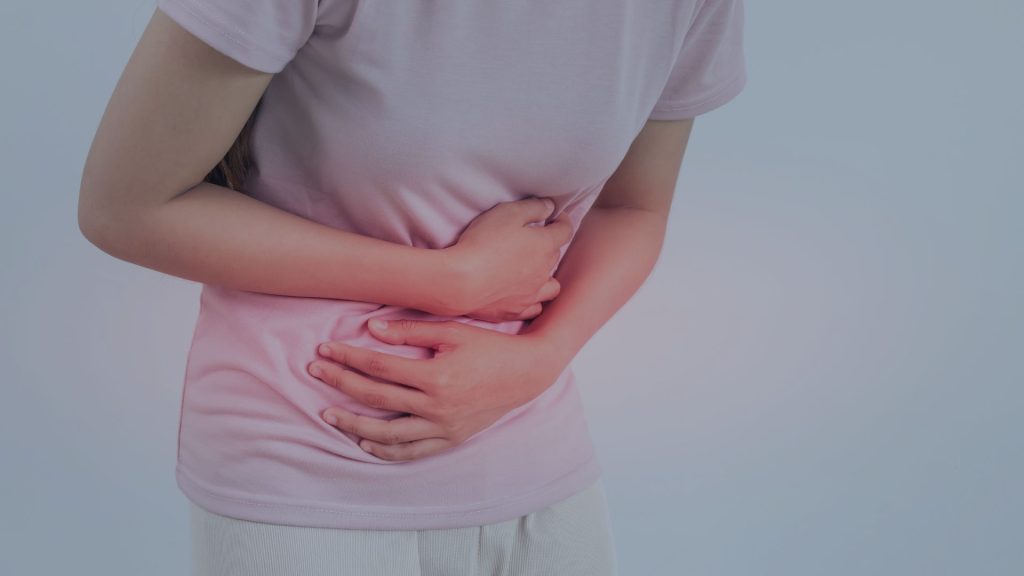
Upper abdominal pain is one of the most frequent reasons people seek medical advice, yet it is often difficult to interpret without proper assessment. A dull ache beneath the ribs may be caused by simple indigestion, while a sharp or worsening pain could signal something more serious.
The good news? Most causes are very treatable once properly identified.
Your upper abdomen is packed with organs: the liver, gallbladder, stomach, pancreas, parts of the colon, and more. When any of them misbehave, the pain signal travels through overlapping nerve pathways, which is why pinpointing the cause on your own can feel like solving a puzzle without all the pieces.
This blog explains what different types of upper stomach pain may indicate, which symptoms should never be ignored, and what you can safely do at home before seeing a specialist.
Why does my stomach hurt? Breaking down pain by location
Doctors often divide the stomach into zones to help narrow down the source of your discomfort. Paying close attention to the exact spot of your upper abdominal pain can help you describe your symptoms more accurately to a healthcare provider.
Pain location | Organs involved | Common causes | What the pain feels like | Important notes |
Upper right abdominal pain | Gallbladder, liver, parts of the digestive tract | Gallstones, liver inflammation, hepatitis, pregnancy complications (HELLP syndrome) or pelvic radiation scar tissue | Sudden cramping pain after fatty meals, or a dull constant ache | Pain may spread to the right shoulder or back. In women, pregnancy-related conditions like HELLP syndrome or round ligament pain can also cause discomfort. |
Upper left abdominal pain | Stomach, spleen, left kidney, pancreas | Gastritis, stomach ulcers, enlarged spleen, pancreatitis | Gnawing, burning, or dull aching pain under the left ribs | Severe sudden pain after trauma may signal a ruptured spleen. Heart-related pain can also radiate here, especially in women. |
Upper middle abdominal pain | Stomach, pancreas, esophagus | Acid reflux (GERD), gastritis, peptic ulcers, pancreatitis, functional dyspepsia | Burning, sharp, or deep pain in the center of the upper abdomen | Symptoms may worsen after meals or while lying down. Pancreatitis often causes severe pain that spreads to the back. |
Severe upper abdominal pain | Multiple organs may be involved | Gallbladder attack, pancreatitis, ulcers, heart conditions | Intense, sudden, or worsening pain | Seek urgent care if pain comes with fever, vomiting blood, chest tightness, shortness of breath, or fainting. |
Safe home steps: How to relieve upper stomach pain immediately?
If the pain is mild and you are not experiencing any red-flag symptoms, these strategies can offer short-term comfort while you arrange to see a doctor:
- Sip warm water slowly: It can help ease muscle spasms and support digestion without irritating an inflamed stomach lining.
- Sit upright: Lying flat after a meal worsens acid reflux. Staying upright for at least 30 minutes after eating reduces the risk of acid reflux.
- Avoid trigger foods: Fatty meals, fried foods, spicy dishes, caffeine, and alcohol can aggravate reflux and gallbladder pain.
- Apply mild heat: A warm compress or heating pad placed over the upper abdomen may help relax tight muscles and reduce cramping.
- Use an antacid: Over-the-counter antacids can help neutralize stomach acid for a short time. They are okay for occasional use, but you should see a doctor if your symptoms keep returning.
- Choose loose-fitting clothing: Tight belts or waistbands can put extra pressure on the stomach, worsening reflux or bloating.
These steps are only suitable for mild, short-lived discomfort. Severe pain, worsening symptoms, or the presence of any warning signs should always be assessed by a doctor without delay.
When to worry: Red flags for severe upper abdominal pain
Most upper stomach pain resolves on its own or with simple treatment. But severe upper abdominal pain, especially when it appears suddenly or comes with other symptoms, is a different story.
Seek emergency medical care right away if your upper belly pain comes with any of these warning signs:
- A high fever or chills
- Sudden, intense pain that doubles you over or feels unlike anything you’ve felt before
- Vomiting blood or material that looks like dark coffee grounds
- Pain that quickly spreads to your back, neck, or jaw
- Shortness of breath, dizziness, or a racing heart
- An abdomen that feels rigid, hard, or incredibly tender to the touch
- Yellowing of your skin or the whites of your eyes (jaundice)
- Pregnancy with sudden right-sided or epigastric pain
These symptoms may point to serious conditions that need immediate treatment.
Diagnosis & tests: What tests might your gastroenterologist order?
Accurate diagnosis is the most important step toward real relief. Depending on your symptoms, history, and physical exam findings, a gastroenterologist may recommend:
Blood tests:
- Liver function tests (LFTs) for liver inflammation, damage, or bile duct blockages
- Amylase & lipase that rise significantly if your pancreas is inflamed (pancreatitis)
- H. pylori antibody testing to link to painful stomach ulcers
- Full blood count (CBC) for elevated white blood cells (signs of infection) or low red blood cells (signs of internal bleeding)
- Inflammatory markers (CRP, ESR) to confirm if active tissue inflammation is happening inside.
Imaging studies:
- Ultrasound: Often used to detect gallstones or liver abnormalities
- CT scan: Helps identify inflammation, injury, or internal complications.
- MRI / MRCP: Provides detailed imaging of the bile ducts and gallbladder.
- Chest X-ray: Helps rule out lung-related causes of pain.
- Endoscopy: Allows direct examination of the esophagus and stomach.
- ECG and cardiac tests: May be advised if symptoms suggest the pain could be related to the heart.
Treatment options for upper abdominal pain
Because upper belly pain is a symptom rather than a standalone condition, your treatment plan will depend entirely on what your diagnostic tests reveal.
- Acid reflux & GERD: Proton pump inhibitors (PPIs), lifestyle modifications, and in persistent cases, minimally invasive surgical procedures
- Gallstones: Dietary management for mild cases; laparoscopic cholecystectomy (gallbladder removal) is the standard surgical option for symptomatic stones
- Gastritis & peptic ulcers: Antibiotic therapy if H. pylori is present, alongside acid-suppressing medication and dietary changes
- Pancreatitis: Hospitalization, IV fluids, bowel rest, and treatment of the underlying cause (often gallstones or alcohol)
- Functional dyspepsia: Stress reduction, dietary changes, and medication aimed at calming the gut-brain connection may help.
- Liver conditions: Antiviral therapy for hepatitis; lifestyle changes and monitoring for fatty liver disease
The right specialist, in this case, a gastroenterologist, will map out a treatment plan tailored specifically to your diagnosis, not just your symptoms.
Expert care for every digestive concern at King’s College Hospital, Bahrain
Recurring or unexplained upper abdominal pain should never be left to chance. At King’s College Hospital Bahrain, our gastroenterology and internal medicine teams use evidence-based protocols and state-of-the-art diagnostics to get to the root of your symptoms, accurately and efficiently.
Recognized as one of the Gulf region’s leading multi-specialty hospitals, we provide care for patients from Bahrain, Saudi Arabia, and the UAE, including many who travel from Dubai for specialized treatment. Our services include advanced endoscopy, hepatology care, and integrated nutritional support delivered through a coordinated, patient-focused approach.
If something doesn’t feel right, trust that instinct and book a consultation with our team today.
FAQs
Yes. Your brain and your gut are closely connected. High stress and anxiety can cause your stomach muscles to tense up, increase acid production, and trigger painful spasms or indigestion.
Heart-related pain often feels heavy, tight, or like pressure in your chest or upper abdomen. It can spread to your jaw, back, or left arm, and may come with sweating, dizziness, nausea, or shortness of breath.
Go to the emergency department immediately if the pain is sudden, severe, spreads to the chest or back, occurs during pregnancy, or is accompanied by vomiting blood, black stools, fever, or jaundice.
Pain in the upper right side after eating, especially after consuming rich, fatty meals is a classic sign of gallbladder trouble, such as gallstones. Your gallbladder contracts to help digest fat, which can trigger pain if a stone blocks the pathway.
Woman upper right abdominal pain may have different causes because hormonal changes increase the risk of gallstones, especially during or after pregnancy. Pregnancy-related conditions like HELLP syndrome can also trigger pain on the upper right side. In some cases, pain may spread from gynecological conditions or previous pelvic treatments. A proper medical evaluation helps identify the exact cause.
OUR DOCTORS

Dr Vinoda Metta
Consultant - Neurology

Dr Ranjeev Bhangoo
Consultant - Neurosurgery

Dr Imtiaz Ahmed Hashmi
Specialist - Orthopaedic Surgery