
Periductal Mastitis Treatment in Bahrain
Breast Care Centre
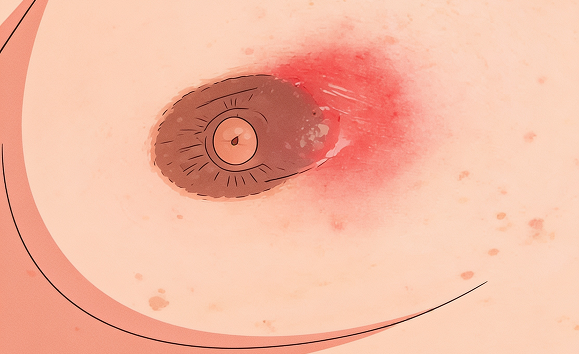
Periductal mastitis can be painful, worrying, and confusing, especially when the symptoms involve the nipple or areola and may look similar to other breast problems. If you have redness, tenderness, nipple discharge, swelling, or a lump-like area near the nipple, it is worth getting it checked properly rather than assuming it will settle on its own.
At King’s College Hospital London, Dubai – Bahrain Clinic, patients can access specialist assessment and Periductal Mastitis treatment in Bahrain, with a clear plan for diagnosis, treatment, and follow-up.
King’s breast care center Bahrain supports patients with breast concerns that need specialist review, including inflammatory breast conditions such as periductal mastitis. The aim is to confirm what is causing your symptoms, rule out other breast conditions where needed, and guide treatment, follow-up, and any further imaging or procedures if they are appropriate.
What is Periductal Mastitis?
Periductal mastitis is inflammation of the milk ducts beneath the nipple. It usually affects the ducts in the central part of the breast and can cause pain, swelling, redness, discharge from the nipple, or irritation around the areola. In some cases, it can lead to infection, abscess formation, or repeated flare-ups.
It is a benign breast condition, which means it is not breast cancer. However, because it can cause symptoms such as a painful lump, nipple inversion, discharge, or skin changes, it still needs proper breast assessment so the diagnosis is clear and the right treatment is offered.
What does Periductal Mastitis Treatment involve?
Treatment for periductal mastitis starts with understanding exactly what is causing the symptoms. Inflammation around the nipple can sometimes be straightforward, but it can also overlap with infection, a blocked or inflamed duct, an abscess, or another breast condition that needs a different approach. That is why the first step is usually a specialist breast review rather than treating it as a routine skin infection or breast pain issue.
If an infection is confirmed, breast infection treatment Bahrain may include antibiotics, drainage of an abscess where appropriate, and follow-up to make sure the inflammation has fully settled.
Depending on what is found on examination, you may also need breast imaging such as an ultrasound or mammogram, particularly if there is a lump, discharge, recurrent inflammation, or concern about an abscess. From there, treatment is guided by how inflamed the area is, whether infection is present, and whether this is a first episode or a problem that has been coming back.
Your care may include:
- A breast examination and review of your symptoms
- Ultrasound or mammogram if imaging is needed
- Antibiotics if there are signs of infection
- Advice and treatment to help with pain and inflammation
- Review of nipple discharge, swelling, or repeat flare-ups
- Assessment for an abscess and whether it needs drainage
- Follow-up if the area is slow to settle or the symptoms return
- Breast surgical review if the underlying duct problem appears to be ongoing
The aim is not just to calm the current flare-up, but to make sure the diagnosis is right and decide whether the ducts need any further treatment if the problem keeps recurring.
When should you see us for Periductal Mastitis?
Periductal mastitis does not always present the same way. For some patients, it causes a painful flare-up that settles with treatment. For others, it shows up as repeated inflammation around the nipple, ongoing discharge, or an abscess that needs closer review. Because of that, care often goes beyond a single appointment or a quick course of antibiotics.
At King’s breast care center Bahrain, we can support patients with assessment and care planning for:
- Periductal mastitis and inflammation affecting the milk ducts beneath the nipple
- Breast pain, tenderness, or swelling linked to duct inflammation
- Nipple discharge related to benign breast conditions
- Recurrent infection or repeated flare-ups around the nipple and areola
- Suspected breast abscesses
- Nipple inversion or other nipple changes linked to duct disease
- Lump-like swelling beneath the nipple
- Ongoing breast symptoms that may need imaging, follow-up, or breast surgical review
Your care may include breast examination, imaging where needed, treatment for infection or inflammation, review of any previous scans or treatment, and follow-up if the problem is not settling or keeps returning. When appropriate, further investigations or a breast surgical opinion can also be arranged to support ongoing periductal mastitis treatment in Bahrain.
Who are the best doctors for Periductal Mastitis treatment in Bahrain?
Patients seeking for periductal mastitis treatment in Bahrain should be assessed by an experienced breast specialist with expertise in benign breast conditions, inflammatory breast diseases, and duct-related disorders.
A specialist breast team can provide a thorough assessment, arrange any necessary imaging, and recommend the most appropriate treatment and follow-up based on your symptoms.
Why choose King’s College Hospital Dubai for Periductal Mastitis care?
Patients with periductal mastitis usually want two things: confidence that the breast symptoms have been properly assessed, and a clear plan if the problem does not settle quickly or keeps returning.
King’s is well set up for that. Your care can sit within a specialist breast pathway rather than a one-off appointment, which matters when symptoms may need imaging, infection treatment, follow-up, or breast surgical input.
How can I book an appointment?
If you have nipple pain, discharge, swelling, redness, or a breast infection that is not settling, you can book an appointment with King’s Bahrain Clinic for specialist breast assessment.
You can call the clinic or complete the online appointment request form. The team will arrange an appointment and advise if you should bring any previous breast imaging or relevant medical records.
FAQs
King’s Bahrain Clinic is one of the best clinics for periductal mastitis in Bahrain because patients can access specialist breast assessment, imaging coordination, and follow-up within a wider breast care pathway.
The best doctors for periductal mastitis in Bahrain are breast specialists with experience in diagnosing and treating benign breast conditions, including inflammatory and duct-related breast disorders. Choosing a clinic with access to specialist breast assessment, imaging, and follow-up helps ensure an accurate diagnosis and appropriate treatment.
No. Periductal mastitis is a benign breast condition, not breast cancer. However, because it can cause symptoms such as a lump, nipple changes, discharge, or inflammation, it should still be assessed properly to confirm the diagnosis and rule out other breast problems.
Common symptoms include pain around the nipple, redness, swelling, nipple discharge, tenderness, a lump or thickening under the nipple, and sometimes recurrent breast infections or abscess formation.
Some mild cases may improve, but not all do. If symptoms are significant, recurrent, or associated with discharge or abscess formation, medical assessment is important so the problem does not drag on or worsen.
Not everyone will need the same imaging, but breast ultrasound and sometimes mammography may be recommended depending on your age, symptoms, examination findings, and whether there is a lump, discharge, or recurrent inflammation.
Yes, it can. In some cases, inflammation and infection around the ducts can lead to an abscess, which may need antibiotics, drainage, or further breast surgical review.
Recurrent symptoms usually need a more detailed breast review. Your specialist may look for an underlying duct problem, reassess imaging, review prior treatments, and discuss whether further treatment or a breast procedure is needed.